
Lymph drainage plays a vital role in maintaining a healthy immune system by helping the body remove excess fluid, waste products, and toxins from tissues. Because the lymphatic system relies on movement and proper circulation to function efficiently, many people wonder whether certain clothing choices, including bras, can interfere with this process.
Tight bras are often blamed for restricting lymph flow, causing discomfort, and even contributing to various health concerns. But is there any scientific evidence to support these claims, or are they simply myths that have persisted over time?
In this article, we will explore how the lymphatic system works, examine whether wearing a tight bra can affect lymph drainage, and discuss how to choose a bra that supports comfort and overall breast health.
Why Proper Lymph Drainage Matters for Overall Health
Proper lymph drainage is essential for maintaining overall health because the lymphatic system serves as one of the body’s primary waste removal and immune defense networks. It transports lymph, a fluid containing white blood cells, proteins, and cellular waste, throughout the body and helps return excess fluid from tissues back into the bloodstream. When lymph flows efficiently, it supports healthy circulation, reduces fluid buildup, and assists the body in removing toxins and unwanted substances.

The lymphatic system also plays a crucial role in immune function. Lymph nodes filter harmful bacteria, viruses, and other foreign particles before they can spread throughout the body. Efficient lymph drainage allows immune cells to travel where they are needed, helping the body respond effectively to infections and illnesses.
Recommended: Why Do I Have More Fat Under One Armpit?
Poor lymph drainage can lead to fluid retention, swelling, and discomfort, particularly in the arms, legs, or other parts of the body. In some cases, impaired lymph flow may contribute to a condition known as lymphedema, which causes persistent swelling due to the accumulation of lymph fluid. Maintaining healthy lymphatic circulation through regular movement, hydration, and overall healthy lifestyle habits can help support the body’s natural detoxification processes and immune defenses.
Because the lymphatic system depends largely on muscle movement and body activity to keep fluid moving, anything that causes prolonged pressure or restriction on certain areas of the body may raise questions about its potential impact on lymph flow. This is one reason why concerns about tight clothing, including bras, have become a topic of interest for many people.
Can Tight Bras Affect Lymph Drainage?
The idea that tight bras can affect lymph drainage has been widely discussed for years, particularly in conversations about breast health and overall wellness. The concern stems from the fact that the lymphatic system relies on the free movement of lymph fluid through a network of vessels and nodes located throughout the body, including the chest and underarm areas. Some people believe that a bra that fits too tightly may compress these tissues and interfere with the normal flow of lymph.
While it is true that excessive pressure on certain parts of the body can temporarily affect circulation and cause discomfort, there is currently little scientific evidence to suggest that wearing a properly fitted bra significantly impairs lymph drainage in healthy individuals. The lymphatic system is extensive and adaptable, with multiple pathways that help maintain fluid movement even when mild external pressure is present.
Recommended: What Are The Early Warning Signs Of Hidradenitis Suppurativa?
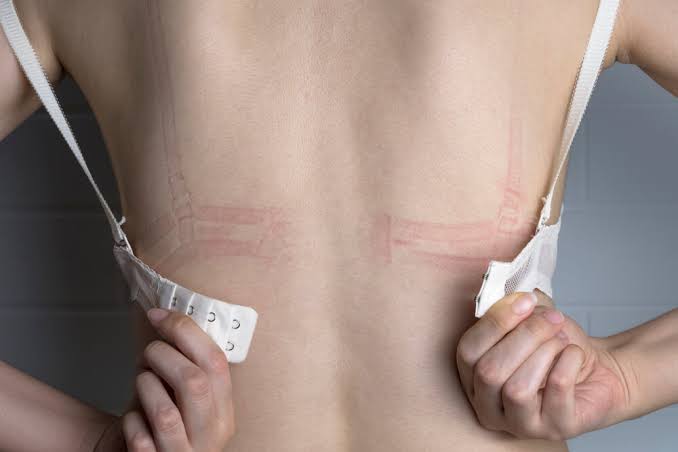
However, a bra that is excessively tight may leave deep marks on the skin, cause irritation, restrict movement, or create a feeling of compression around the chest and underarms. These effects can be uncomfortable and may contribute to temporary swelling or discomfort in some individuals. People who have conditions that affect the lymphatic system, such as lymphedema, or those recovering from breast surgery may be more sensitive to pressure from tight clothing and may benefit from specialized garments recommended by healthcare professionals.
Signs Your Bra May Be Too Tight
A properly fitted bra should feel supportive and comfortable throughout the day. However, wearing a bra that is too tight can cause discomfort, irritation, and unnecessary pressure on the body. Understanding the common signs of a poor fit can help you choose a bra that provides the right level of support without compromising comfort.
1. Deep Red Marks on the Skin

If your bra leaves deep red marks on your shoulders, sides, back, or beneath your breasts, it may be too tight. While slight impressions are normal after wearing a bra for several hours, marks that are painful, long-lasting, or accompanied by irritation often indicate excessive pressure.
2. Shoulder, Neck, or Back Pain
Ongoing discomfort in the shoulders, neck, or upper back can be a sign that your bra is not fitting correctly. A tight bra may place extra strain on muscles and tissues, leading to aches that worsen throughout the day.
Recommended: Why Do My Armpits Smell Like Vinegar Even After a Shower?
3. Difficulty Breathing Comfortably
A bra band that feels excessively tight around the rib cage can make it difficult to take deep breaths. If you frequently feel restricted or uncomfortable around your chest, the band size may be too small.
4. Bulging Around the Cups or Band
Breast tissue spilling over the top or sides of the cups, as well as bulging around the back band, often indicates that the bra is too small. This can create an uneven fit and increase pressure on surrounding tissues.
5. Underwire Digging Into the Skin
Underwire bras should sit comfortably around the breast tissue without digging into the skin. If the underwire causes pain, redness, or leaves noticeable marks, the bra may not be the correct size or shape for your body.
6. Shoulder Straps Leaving Deep Grooves
Bra straps should rest comfortably on your shoulders without digging in. Deep grooves or persistent soreness where the straps sit are common signs that the bra is too tight or not providing support correctly.
7. Restricted Movement
A well-fitting bra should allow you to move freely. If you find it difficult to stretch, bend, or raise your arms comfortably, your bra may be too restrictive.
8. Skin Irritation or Chafing
Redness, itching, rubbing, or chafing around the bra line can occur when a bra fits too tightly. Friction from an overly snug fit may irritate the skin, especially during long periods of wear.
How Tight Bras Can Affect Lymph Drainage
While there is no strong evidence that tight bras permanently block lymph drainage, a bra that is too tight may put pressure on areas where lymph fluid normally moves.
Recommended: How To Lose Belly Fat After Breast Reduction
- Increased Pressure on Lymph Vessels: Lymph vessels are tiny tubes that carry lymph fluid throughout the body. When a bra is very tight, it may squeeze these vessels around the breasts, chest, or underarms, making it harder for fluid to move freely.
- Temporary Fluid Buildup: If lymph fluid does not move as efficiently, a small amount of fluid may collect in nearby tissues for a short time.
- Reduced Natural Movement: The lymphatic system relies on body movement, muscle activity, and deep breathing to keep fluid flowing. A very tight bra can make movement feel restricted.
- Pressure Around the Underarm Area: Many lymph nodes are located in the underarms. A bra that digs into this area can create discomfort and pressure on the surrounding tissues.
- Skin Irritation and Inflammation: Tight bra straps and bands can rub against the skin, causing redness, irritation, or soreness. Inflammation can sometimes affect how fluids move through tissues.
- Discomfort That Discourages Activity
- If a bra is uncomfortable, you may be less likely to exercise or move around. Physical activity helps keep lymph fluid circulating.
- May Worsen Existing Lymphatic Conditions: For people with conditions such as lymphedema, excessive pressure from a tight bra may increase discomfort or swelling.
How to Choose a Bra That Supports Healthy Lymph Drainage

- Choose a band size that feels snug but not tight, allowing you to move and breathe comfortably.
- Make sure the cups fully contain your breasts without causing bulging, gaping, or excessive pressure.
- Avoid bras that leave deep marks on your skin, as this may indicate that they are too tight.
- Look for adjustable straps that can be customized to provide support without digging into your shoulders.
- Select bras made from breathable fabrics to reduce irritation and improve comfort throughout the day.
- Ensure you can take deep breaths comfortably while wearing the bra, without feeling restricted around the chest.
- Pick a bra style that matches your activity level, such as a supportive sports bra for exercise or a comfortable everyday bra for regular wear.
- Check that the sides of the bra do not press too tightly into the underarm area, where many lymph nodes are located.
- Replace bras that have become stretched out or worn, as they may no longer provide proper support.
- Consider getting professionally fitted, especially if your body size or shape has changed, to ensure the best possible fit.
Recommended: How to Lose Inner Thigh Fat Fast and Eliminate ‘Chub Rub’
Is Going Braless Better for Lymph Drainage?
Going braless may reduce pressure on the breasts, chest, and underarm areas where lymph vessels and lymph nodes are located. Without a tight band or straps pressing against the body, some people feel more comfortable and experience fewer pressure marks or skin irritations.
However, there is no strong scientific evidence that going braless significantly improves lymph drainage in healthy individuals. The lymphatic system is designed to function effectively on its own and relies mainly on movement, muscle contractions, and breathing to keep lymph fluid circulating.
Ultimately, whether wearing a bra or going braless is better depends on personal comfort and support needs. The most important factor is avoiding bras that are excessively tight or uncomfortable, as a well-fitting bra is unlikely to interfere with normal lymphatic function.
Conclusion
The idea that tight bras significantly impair lymph drainage remains largely unsupported by scientific evidence. While an overly tight bra may cause temporary discomfort, skin irritation, or mild pressure on the tissues around the breasts and underarms, there is no clear proof that it leads to long-term lymphatic problems in healthy individuals.
The key is choosing a bra that fits properly and feels comfortable. A well-fitting bra should provide support without restricting movement, breathing, or circulation. Paying attention to signs of poor fit, such as pain, deep marks, or excessive tightness, can help you make better choices for your comfort and overall breast health.
Ultimately, whether you prefer wearing a bra or going braless, maintaining an active lifestyle, staying comfortable, and wearing clothing that does not cause excessive pressure are some of the best ways to support healthy circulation and lymphatic function.