
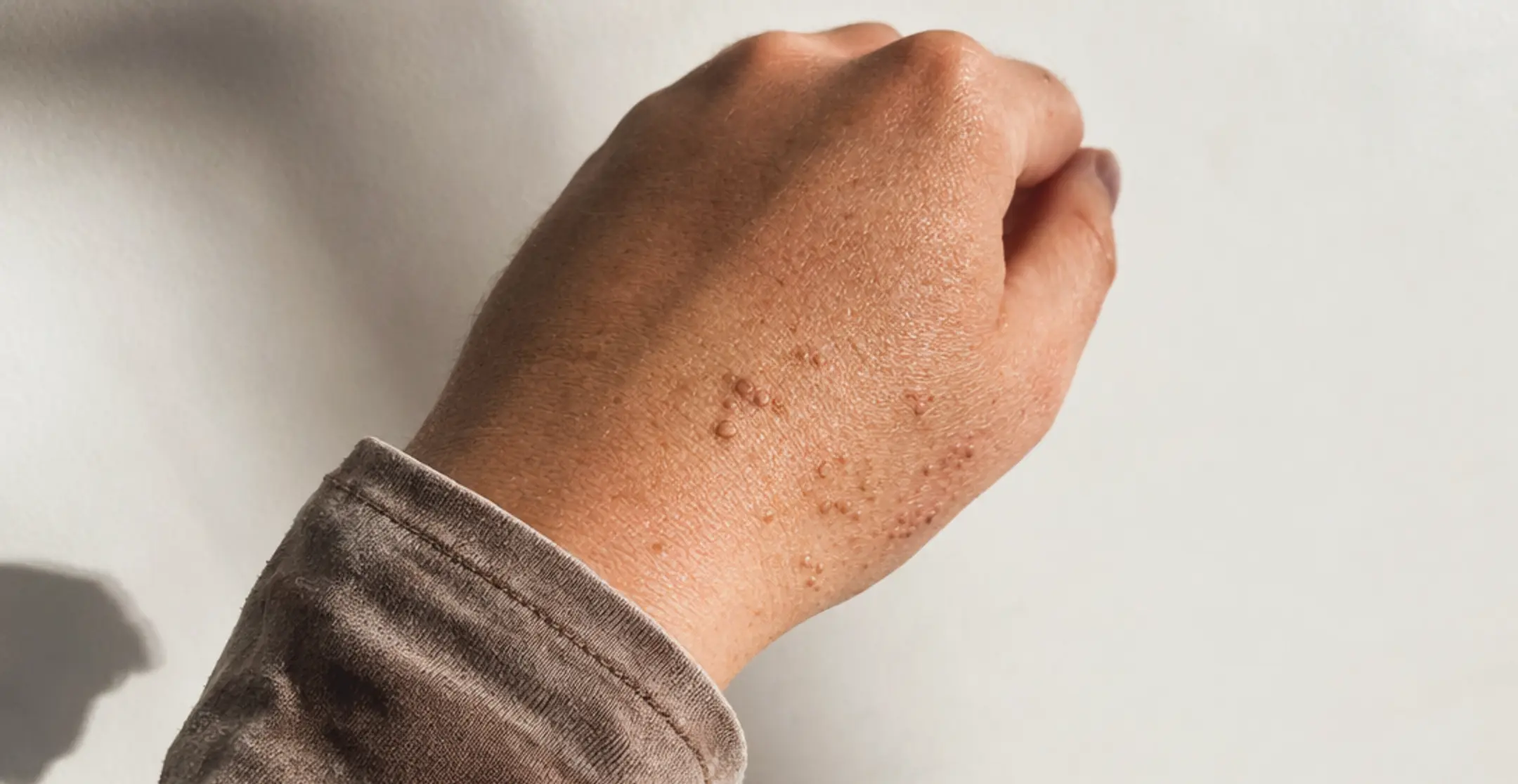
HPV warts are small growths that can appear on the skin or around the genitals after infection with certain types of human papillomavirus (HPV). Although they may be painless and harmless, their appearance can cause concern, especially when you are unsure whether they will disappear on their own. Some HPV warts may clear without treatment as the immune system fights the infection, while others can persist or return.
The time it takes for HPV warts to disappear can vary from person to person. Factors such as the type of HPV, the location of the warts, and the strength of the immune system may influence how long they last. Even when the visible warts disappear, HPV may remain in the body for some time.
If you have noticed HPV warts, you may wonder whether treatment is necessary or whether it is safe to simply wait for them to go away.
In this article, we will explain whether HPV warts can disappear without treatment, how long they may last, and what can happen if they are left untreated.
What Causes HPV Warts?

HPV warts develop when certain types of human papillomavirus (HPV) infect the skin or mucous membranes. The virus can enter through tiny cuts or breaks in the skin and cause infected cells to grow abnormally, resulting in warts. Genital warts are mainly caused by HPV types 6 and 11, which are considered low-risk types.
Recommended: What Does It Mean if Pap Is Normal but HPV Is Positive?
Common ways HPV can be transmitted include:
- Sexual Contact: Genital warts can spread through vaginal, anal, or oral sex with someone who has HPV. Direct skin-to-skin contact around the genital area can also transmit the virus.
- Skin-to-Skin Contact: HPV can spread when infected skin comes into direct contact with another person’s skin, particularly when there are small cuts or abrasions.
- Sharing Personal Items: Although less common, some types of HPV can spread through shared items such as towels, razors, or other objects that have come into contact with infected skin.
- Contact With Contaminated Surfaces: Certain HPV types that cause common warts may spread through contaminated surfaces, particularly in warm, moist environments such as public showers and swimming pool areas.
- Self-Spread: A person can sometimes transfer HPV from one part of their body to another by touching or scratching an existing wart and then touching broken skin elsewhere.
- Weakened Immune System: A weakened immune system does not directly cause HPV, but it can make it harder for the body to control the virus, increasing the likelihood that warts will persist or recur.
How Long Do HPV Warts Usually Last?
HPV warts can last for several months or even years, depending on the type of HPV involved and how the immune system responds to the infection. Some warts disappear on their own within months as the immune system clears the virus, while others may persist for longer without treatment. Genital warts can also vary in size and number over time, with some disappearing without treatment and others remaining or growing.
Recommended: Can You Have an STD With No Symptoms for Years?
Even when visible warts disappear, the HPV infection may still be present in the body. This means warts can sometimes return, particularly during the first few months after they have cleared. Treatment can remove visible warts and reduce symptoms, but it does not necessarily eliminate HPV itself. If warts persist, spread, bleed, or change in appearance, it is best to have them assessed by a healthcare professional.
Are HPV Warts Always a Sign of an STD?

No, HPV warts are not always a sign of an STD. HPV is a large group of viruses that can cause different types of warts. Some types cause common warts on the hands, fingers, or feet and are not considered sexually transmitted infections. However, genital warts are usually sexually transmitted and are caused by certain types of HPV, most commonly HPV 6 and HPV 11.
It is also important to know that having genital warts does not necessarily mean that someone recently acquired HPV. The virus can remain unnoticed for months or even longer before visible warts develop.
Recommended: How Long Does STD Symptoms Take to Show?
If you notice growths around your genitals or anus, it is best to have them examined by a healthcare professional because other skin conditions can sometimes look similar to genital warts.
Treatment Options for HPV Warts
HPV warts do not always require treatment because some disappear on their own as the immune system controls the infection. However, treatment may be recommended when the warts are bothersome, painful, spreading, or causing emotional distress. Treatment focuses on removing the visible warts, but it does not directly eliminate HPV from the body.
Common treatment options include:
- Prescription Creams or Ointments: For genital warts, healthcare professionals may prescribe medicines such as imiquimod or podofilox. These treatments work by helping the immune system fight the wart or destroying the affected tissue.
- Cryotherapy: A healthcare professional can freeze the wart using liquid nitrogen. The treated tissue eventually dies and falls away, although several treatment sessions may be needed.
- Surgical Removal: Larger or persistent warts may be removed using procedures such as surgical excision, electrosurgery, or laser treatment.
- Trichloroacetic Acid (TCA): A healthcare professional can apply this chemical directly to certain genital warts to destroy the affected tissue. It may require repeated applications.
Recommended: Can STD Symptoms Show Up the Next Day?
Can HPV Warts Come Back After They Disappear?
Yes, HPV warts can come back after they disappear. This is because the visible warts may clear while HPV remains in the skin. The immune system may eventually control the virus, but it can sometimes cause new warts to develop.
Recurrence is more common during the first few months after warts have disappeared or been treated. A recurrence does not necessarily mean that you have been infected again, as the original HPV infection may still be present.
If warts keep returning, become painful, bleed, spread, or change in appearance, it is important to see a healthcare professional. They can confirm that the growths are HPV warts and recommend an appropriate treatment.
Can You Prevent HPV Warts From Coming Back?

HPV warts can return after treatment because treatment removes the visible warts but does not necessarily eliminate HPV from the body. Although recurrence cannot always be prevented, certain steps can reduce the risk of warts returning or spreading.
Recommended: Do Warts Come Back After Removal?
- Get vaccinated against HPV: The HPV vaccine can protect against HPV types that commonly cause genital warts and does not treat an existing infection.
- Use condoms and dental dams: https://www.healthline.com/health/how-does-hpv-spreadBarrier methods can reduce the risk of HPV transmission, although they cannot provide complete protection because HPV can infect uncovered areas of skin.
- Avoid picking or scratching warts: Touching or scratching warts may spread the virus to nearby areas of the skin.
- Follow your treatment plan: Completing the recommended treatment and attending follow-up appointments can help manage persistent or recurring warts.
- Avoid sexual contact when warts are present: Avoiding sexual contact while visible genital warts are present can reduce the risk of passing HPV to a partner.
- Avoid smoking: Smoking can interfere with the immune system and may make it harder for the body to control HPV infection.
- Support your immune system: Getting enough sleep, eating a balanced diet, staying physically active, and managing stress can support your body’s natural immune response.
Conclusion
HPV warts can sometimes go away without treatment as the immune system controls the virus, but this does not happen in everyone. Some warts may persist for months or longer, while others may return after disappearing. Treatment can remove visible warts, although it does not necessarily eliminate HPV from the body.
If you notice genital warts or unusual growths, consider speaking with a healthcare professional for proper diagnosis and treatment. Practicing safer sex, getting vaccinated against HPV, and avoiding contact with visible warts can help reduce the risk of transmission and recurrence.