
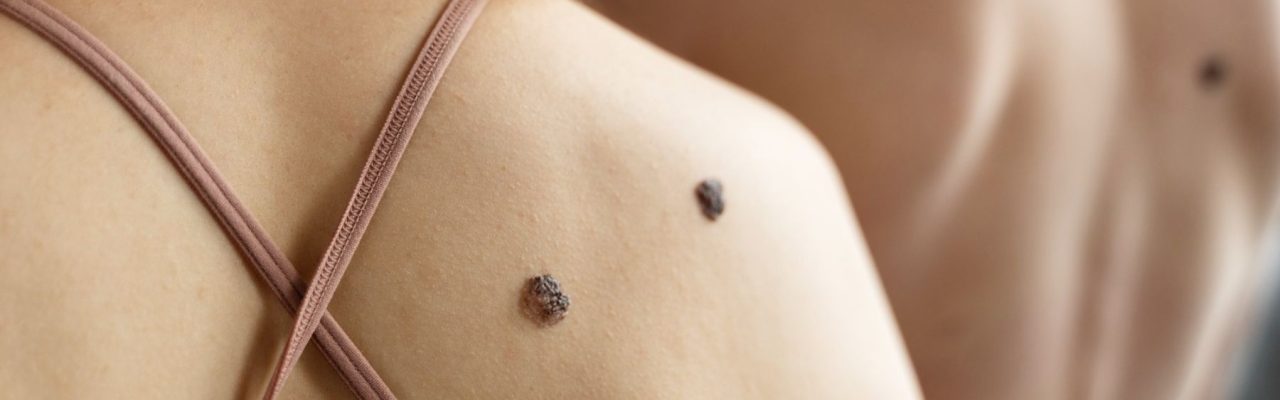
Warts are common skin growths caused by certain types of human papillomavirus (HPV). Although treatments can remove visible warts, some people notice that a wart returns in the same area after removal. This can be frustrating, especially when you thought the treatment had completely gotten rid of it.
A wart may come back because the virus can remain in the surrounding skin even after the visible growth has been removed. Recurrence can also depend on the type of wart, the treatment used, and how the immune system responds to the infection. In some cases, a new wart may develop rather than the original wart returning.
If you have noticed a wart coming back after treatment, you may wonder why this happens and whether there is a way to prevent it.
In this article, we will explain why warts can return after removal, how common recurrence is, the signs to look out for, and what you can do if a wart comes back.
What Are Warts?
Warts are small, noncancerous growths that develop on the skin or mucous membranes. They are caused by an infection with certain types of human papillomavirus (HPV). Warts can appear on different parts of the body, including the hands, fingers, feet, face, and genital area. Their appearance varies depending on the type and location.

Warts are usually harmless and may disappear on their own as the immune system fights the HPV infection. However, they can sometimes remain for months or years, spread to nearby areas, or return after treatment. Genital warts are different from common skin warts because they are usually caused by specific types of HPV that are transmitted through sexual contact.
Recommended: What Does It Mean if Pap Is Normal but HPV Is Positive?
How Is Wart Removal Done?
Wart removal depends on the type, size, location, and number of warts. Some warts disappear without treatment, but persistent, painful, or bothersome warts may require medical treatment. Common removal methods include:
- Salicylic acid: This is a common treatment for ordinary warts. It gradually breaks down the thickened skin of the wart and is usually applied regularly over several weeks.
- Cryotherapy: A healthcare professional applies liquid nitrogen to freeze the wart. The treated area may blister, and the wart usually falls away as the skin heals. Several treatments may be needed.
- Cantharidin: A healthcare professional may apply this chemical to the wart, causing a blister to form underneath it. The wart can then be removed as the affected skin heals.
- Minor surgery: For warts that do not respond to other treatments, a healthcare professional may remove the wart by cutting it away or using another procedure to destroy the tissue.
- Laser treatment: Laser therapy may be used for stubborn warts that have not responded to other treatments. It works by destroying the blood vessels or tissue supplying the wart.
- Treatment for genital warts: Genital warts require specific treatment and should be evaluated by a healthcare professional. Options may include prescription medicines applied to the warts, cryotherapy, surgical removal, or other procedures depending on the individual case.
It is generally best not to cut, burn, or scrape off a wart yourself, as this can cause injury, infection, or spread the virus to other areas of the skin.
Recommended: Can You Have an STD With No Symptoms for Years?
Do Warts Come Back After Removal?
Yes, warts can come back after removal. This happens because wart treatments usually remove the visible growth but may not completely eliminate the HPV infection responsible for it. The virus can remain in nearby skin, allowing another wart to develop later. Recurrence is more likely with some types of warts and in people whose immune systems have difficulty clearing the infection.
A wart returning does not always mean that the original wart has grown back. Sometimes, it is a new wart caused by the same HPV infection, particularly if the virus is still present in the surrounding skin. If a wart repeatedly returns, grows quickly, bleeds, becomes painful, or looks unusual, it is best to have it assessed by a healthcare professional to confirm the diagnosis and determine the most appropriate treatment.
Reasons Why Warts Are Likely to Come Back After Removal

Recommended: How Long Does STD Symptoms Take to Show?
- HPV Remains in the Skin: Wart removal gets rid of the visible growth, but the human papillomavirus (HPV) that caused it may remain in the surrounding skin. This can lead to another wart developing later.
- Incomplete Removal: If some of the wart tissue remains after treatment, the wart may grow back in the same location.
- Weakened Immune System: The immune system plays an important role in controlling HPV. People with weakened immune systems may be more likely to develop persistent or recurring warts.
- Self-Spread of the Virus: Touching, scratching, shaving, or picking at a wart can transfer HPV to nearby areas of the skin, potentially causing new warts.
- Type of Wart: Some types of warts are more difficult to treat and may have a higher chance of returning after removal.
- Skin Damage or Irritation: Cuts, scratches, or irritated skin can make it easier for HPV to enter the skin and contribute to the development of new warts.
- Treatment Does Not Cure HPV Immediately: There is currently no treatment that directly eliminates the HPV infection responsible for every type of wart. The immune system often needs time to control the virus, so warts can sometimes recur even after successful removal.
How Common Is It for Warts to Return?
Warts can return after treatment, but the likelihood varies depending on the type of wart, the treatment used, and the person’s immune response. Recurrence is possible because treatment removes the visible wart but may not immediately clear the HPV infection from the skin. Some people may develop another wart in the same area or nearby after treatment.
The risk also depends on how well the wart responds to treatment. Persistent or difficult-to-treat warts are more likely to recur than warts that respond completely to the first treatment.
Does Wart Removal Get Rid of the HPV Infection?
No. Wart removal does not necessarily eliminate the HPV infection that caused the wart. Treatments such as cryotherapy, salicylic acid, laser therapy, or surgical removal primarily target the visible wart rather than removing HPV from every infected skin cell. The immune system may eventually control or clear the virus, but this can take time.
Recommended: Can STD Symptoms Show Up the Next Day?
Because HPV can remain in the skin after a wart has been removed, another wart may develop later. This does not necessarily mean the treatment failed. In many cases, the immune system gradually suppresses the virus, and the warts stop returning. If warts repeatedly come back after treatment, a healthcare professional can assess them and recommend another treatment approach.
Signs That a Wart Is Coming Back
- A Small Rough Bump Appears: One of the earliest signs may be a small, rough or raised area developing where the previous wart was removed.
- The Skin Becomes Thick or Hardened: The area may gradually become thicker, harder, or rougher as new wart tissue develops.
- The Wart’s Texture Returns: The familiar grainy or uneven texture of the previous wart may reappear as it grows.
- Black Dots Become Visible: Small black dots may appear within the growth. These are often tiny blood vessels that have become blocked or clotted.
- The Growth Gradually Gets Larger: A recurring wart may start small and slowly increase in size over days or weeks.
- Similar Growths Appear Nearby: New warts can sometimes develop around the area, particularly if HPV has spread to nearby skin.
Not every bump that appears after wart removal is a recurring wart. Scar tissue, irritation, or another type of skin growth can look similar, so a healthcare professional can help confirm what the new growth is, especially if it changes rapidly, bleeds, or becomes painful.
Recommended: Can STDs Survive in Toilet Water?
Can You Prevent Warts From Coming Back?
You cannot always completely prevent warts from returning, but you can reduce the likelihood of recurrence and prevent the virus from spreading to other areas. Since warts are caused by HPV, treatment removes the visible growth but may not immediately eliminate the virus from the skin. Your immune system plays an important role in controlling the infection.

Here are some steps that may help:
- Avoid picking or scratching warts: Touching or picking at a wart can spread HPV to nearby skin.
- Keep the affected area clean and dry: Good skin hygiene can reduce irritation and help protect the skin.
- Do not share personal items: Avoid sharing towels, razors, nail clippers, socks, or other items that may come into contact with a wart.
- Avoid shaving over warts: Shaving can irritate the skin and potentially spread the virus to other areas.
- Follow your treatment instructions: Complete the recommended treatment rather than stopping as soon as the wart becomes less noticeable.
- Avoid damaging the surrounding skin: Cuts and breaks in the skin can make it easier for HPV to spread or enter the skin.
- Consider HPV vaccination when appropriate: The HPV vaccine protects against several important HPV types, including types that cause genital warts, although it does not treat an existing wart or infection.
Recommended: Vaginal Itching: 20 Possible Causes
How Are Recurring Warts Treated?
Recurring warts can often be treated with the same methods used for the initial wart, although a healthcare professional may recommend a different approach if the wart has not responded to previous treatment. The choice of treatment depends on factors such as the type, size, location, and number of warts.
Common treatments include salicylic acid, cryotherapy, cantharidin, minor surgical removal, and laser treatment. Some treatments gradually destroy the wart tissue, while others freeze or remove it. Persistent warts may require several treatment sessions before they completely disappear.
If a wart repeatedly returns despite treatment, it is important to have it evaluated by a healthcare professional. They can confirm that the growth is actually a wart and may recommend a different treatment if necessary. Avoid cutting or removing recurring warts yourself, as this can damage the skin and potentially spread the infection.
Conclusion
Warts can come back after removal because treatment removes the visible growth but may not immediately clear the HPV infection from the skin. Recurrence can also occur when wart tissue remains or when HPV spreads to nearby areas. While there is no guaranteed way to prevent a wart from returning, avoiding picking or scratching the area, practicing good hygiene, and following treatment instructions can help reduce the risk.
If a wart returns, do not attempt to cut or remove it yourself. A healthcare professional can confirm the diagnosis and recommend an appropriate treatment. Persistent, painful, bleeding, or unusual growths should always be evaluated to rule out other skin conditions.