
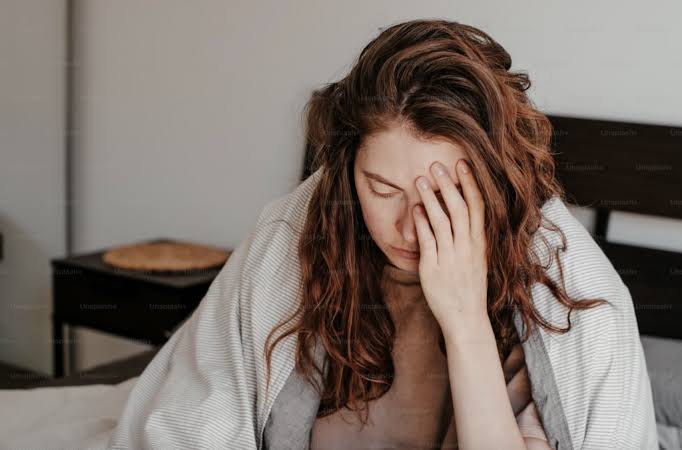
Stress is a normal part of life, but when it becomes overwhelming or long lasting, it can affect many functions in the body, including reproductive health. If you have ever wondered whether stress can stop you from ovulating, you are not alone. It is a common concern, especially for women trying to conceive or those experiencing irregular menstrual cycles.
Although stress does not affect every woman the same way, it can interfere with the hormones that regulate ovulation. In some cases, high levels of stress may delay ovulation or even cause it to stop temporarily. However, stress is only one of several factors that can influence your menstrual cycle and fertility.
In this article, we will explain how stress affects ovulation, the signs that stress may be disrupting your cycle, other possible causes of anovulation, and practical tips to help support healthy ovulation and reproductive health.
How Does the Ovulation Cycle Work?
The ovulation cycle is a monthly process in which a woman’s body prepares for a possible pregnancy. It is controlled by a delicate balance of hormones that signal the ovaries to develop and release a mature egg. In a typical 28 day menstrual cycle, ovulation usually occurs around the middle of the cycle, although the exact timing can vary from woman to woman.

The cycle begins on the first day of your period. During the first half of the cycle, hormones stimulate several follicles in the ovaries to grow, but usually only one becomes mature. Around the middle of the cycle, a surge in luteinizing hormone triggers the ovary to release the mature egg. This event is known as ovulation.
Recommended: Can Castor Oil Boost Ovulation?
After ovulation, the egg travels through the fallopian tube where it may be fertilized by sperm. If fertilization does not occur, hormone levels gradually decline, causing the lining of the uterus to shed during menstruation. Because this process relies on precise hormonal communication, factors such as stress, illness, excessive exercise, or certain medical conditions can disrupt the cycle and affect ovulation.
Signs Stress May Be Affecting Ovulation
Stress does not always stop ovulation completely, but it can interfere with the hormones responsible for releasing an egg each month. As a result, your body may show certain signs that stress is affecting your reproductive cycle. While these symptoms can also be caused by other health conditions, noticing several of them together may be a reason to speak with a healthcare provider.
Irregular Menstrual Cycles
One of the most common signs is a change in your menstrual cycle. Your periods may come earlier, later, or become unpredictable because stress can disrupt the hormones that regulate ovulation.
Missed Periods
Severe or prolonged stress may cause you to skip one or more periods. This can happen when stress hormones interfere with the normal signals between the brain and the ovaries, preventing ovulation.
Delayed Ovulation
Instead of occurring around the middle of your cycle, ovulation may happen much later than expected. This often results in a longer menstrual cycle and can make it harder to predict your fertile window.
Changes in Cervical Mucus
Healthy ovulation is usually accompanied by clear, slippery, egg white like cervical mucus. If stress affects ovulation, you may notice less cervical mucus or changes in its consistency.
Recommended: Best Diet for Hormones and Cycle Syncing
Difficulty Getting Pregnant
If you have been trying to conceive without success and have been under significant stress, delayed or irregular ovulation may be contributing to the difficulty. However, infertility can have many causes, so a medical evaluation is important.
Mood Changes and Fatigue
Although these symptoms do not directly prove ovulation problems, ongoing anxiety, irritability, poor sleep, and constant fatigue often accompany chronic stress. These factors can further affect hormone balance and reproductive health.
Lack of Ovulation Symptoms
Many women experience mild ovulation signs such as slight pelvic pain, increased libido, or breast tenderness. If these symptoms suddenly disappear for several cycles during a stressful period, it could indicate that ovulation has been delayed or temporarily stopped.
Can Stress Really Stop You from Ovulating?

Yes, stress can temporarily stop or delay ovulation, but it does not happen to every woman. When you experience intense physical or emotional stress, your body releases higher levels of cortisol and other stress hormones. These hormones can interfere with the communication between your brain and ovaries, disrupting the hormonal signals needed for ovulation to occur.
Recommended: Is Weight Gain Before Period Normal?
In some cases, chronic stress may delay the release of an egg, while in more severe situations, it can prevent ovulation altogether. This condition, known as stress induced anovulation, is usually temporary and often resolves once stress levels decrease. However, the likelihood of stress affecting ovulation depends on factors such as the intensity of the stress, your overall health, and how your body responds to stress.
It is important to understand that stress is only one possible cause of ovulation problems. Conditions such as polycystic ovary syndrome (PCOS), thyroid disorders, excessive exercise, significant weight changes, and certain medications can also interfere with ovulation. If your periods become irregular or you suspect you are not ovulating for several months, it is best to seek medical advice to identify the underlying cause and receive appropriate treatment.
How Long Does It Take for Ovulation to Return After Stress?
The time it takes for ovulation to return after stress varies from one woman to another. For some, ovulation may resume within a few weeks after the stressful event has passed. For others who have experienced prolonged or severe stress, it may take several months for hormone levels to stabilize and for regular ovulation to return.
Recovery depends on several factors, including the severity and duration of the stress, your overall health, lifestyle habits, and whether there are any underlying medical conditions affecting your menstrual cycle. Eating a balanced diet, getting enough sleep, exercising moderately, and practicing stress management techniques can all support your body’s recovery.
If your periods remain irregular or you suspect you are not ovulating for more than three months after your stress levels have improved, it is important to consult a healthcare provider. They can determine whether stress is the cause or if another condition, such as a hormonal imbalance or an underlying reproductive disorder, requires treatment.
Recommended: Does Zepbound Increase Fertility?
Managing Stress for Better Ovulation Cycle
While stress cannot always be avoided, learning how to manage it can help support healthy hormone function and improve the chances of regular ovulation. Small, consistent lifestyle changes can reduce stress levels and promote better reproductive health over time.
1. Prioritize Quality Sleep
Aim for 7 to 9 hours of sleep each night. Poor sleep can increase stress hormones and disrupt the hormonal balance needed for a healthy ovulation cycle.
2. Eat a Balanced Diet
Choose nutrient rich foods such as fruits, vegetables, whole grains, lean proteins, and healthy fats. Proper nutrition supports hormone production and helps your body cope with stress more effectively.
3. Exercise in Moderation
Regular physical activity can lower stress and improve overall well being. However, avoid excessive or intense exercise, as it may further disrupt ovulation in some women.
4. Practice Relaxation Techniques

Activities such as deep breathing, meditation, yoga, and mindfulness can help reduce stress and lower cortisol levels. Even a few minutes each day can make a difference.
Recommended: How Gut Health Affects Estrogen Dominance and Bloating
5. Maintain a Healthy Weight
Being either underweight or overweight can affect hormone levels and ovulation. Achieving and maintaining a healthy weight supports a more regular menstrual cycle.
6. Make Time for Activities You Enjoy
Engaging in hobbies, spending time with loved ones, or taking short breaks from work can help reduce emotional stress and improve your mental well being.
7. Seek Professional Support When Needed
If stress feels overwhelming or continues to affect your daily life, consider speaking with a healthcare provider or mental health professional. They can recommend effective strategies or treatments to help you manage stress and protect your reproductive health.
Conclusion
Stress can have a significant impact on your reproductive health, and in some cases, it may delay or temporarily stop ovulation by disrupting the hormones that regulate your menstrual cycle. However, not every woman will experience the same effects, and stress is only one of several factors that can influence ovulation.
The good news is that stress related ovulation problems are often temporary. By managing stress through healthy lifestyle habits, getting adequate rest, eating a balanced diet, and seeking medical advice when necessary, many women are able to restore regular ovulation and improve their overall reproductive health.
If you notice persistent irregular periods, missed ovulation, or difficulty conceiving, do not assume stress is the only cause. A healthcare provider can help identify the underlying issue and recommend the most appropriate treatment. Understanding how stress affects your body is the first step toward protecting your fertility and maintaining a healthy menstrual cycle.