

Armpits smell like vinegar even after a shower, and for many people this can feel confusing and frustrating. You may expect that a good wash should completely remove any odor, yet the sour scent seems to return almost immediately. This situation is more common than you might think, and it often has less to do with cleanliness and more to do with what is happening on your skin.
Armpit odor is not actually caused by sweat itself. Sweat is mostly odorless when it leaves the body. The smell develops when bacteria on the skin break down the components of sweat, producing acids that can create a sharp or sour scent similar to vinegar. This is why even freshly washed skin can begin to smell again shortly after drying off.
This vinegar-like smell can stick around even after regular cleaning for a number of reasons. The type of sweat glands you have, the balance of bacteria on your skin, and even how well you clean your underarms can all affect how bad your body odor is. Sometimes, the things you use before and after your shower can make the problem worse instead of better.
Your body odor can also be affected by what you eat and how you live. Changes in your hormones, stress levels, and diet can change the makeup of your sweat, which can make it smell more sour or acidic. This means that even if you keep your armpits clean, things inside your body can still make them smell bad.
Another important but often ignored factor is what clothes you wear and what kind of fabric they are made of. Tight or non-breathable fabrics can hold sweat and bacteria against the skin, which can quickly make the area smell bad. Bacteria can even build up in clothes over time, making smells last even after washing.
In this article, we will explore the reasons why your armpits smell like vinegar even after a shower, practical solutions, effective treatments, and when it might be necessary to seek medical advice.
Why Your Armpits Smell Like Vinegar Specifically
A vinegar-like smell from your armpits usually happens when sweat mixes with bacteria on your skin. Sweat itself does not have a strong odor, but when it comes in contact with bacteria in the armpit area, it gets broken down into acidic compounds. These acids are what create that sharp, sour smell that can remind you of vinegar.
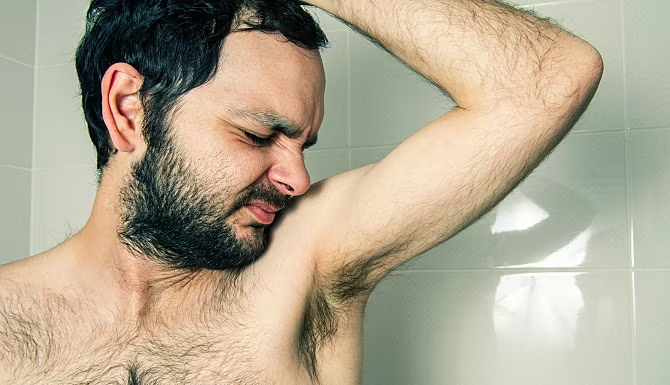
Apocrine glands, which are a type of sweat gland, are found in the armpits. They make a thicker sweat that is high in proteins and fats. Bacteria release waste products that are more acidic than normal body odor when they eat these things. This is one of the main reasons why the smell can be strong and unique, even after you shower.
Recommended: Why Are My Palms Always Sweaty but I am Not Anxious?
The type and balance of bacteria on your skin also play a big role. Some people naturally have more bacteria that produce sour or acidic smells. If these bacteria are dominant in your underarm area, the vinegar-like odor can become more noticeable and return quickly after bathing.
The chemicals in your body can also change the smell of your sweat. Changes in hormones, stress, and even the pH level of your skin can make your sweat more acidic than usual. Bacteria break down sweat in a different way when it becomes more acidic, which can make the smell stronger, like vinegar.
Lastly, diet and hygiene habits can contribute to the smell. Foods like garlic, onions, and spicy meals can change the way your sweat smells. Also, if soap residue, moisture, or deodorant buildup remains on the skin, it can encourage bacterial growth, making the odor return even after a shower.
Why Odor Can Remain After Bathing
Even after a shower, armpit odor can still come back quickly because smell is not only about surface dirt. It is mainly about bacteria, sweat activity, and how your skin reacts after cleaning.
Reasons Why Armpit Odor Can Persist After Bathing
- Bacteria not fully removed from the skin: Even after washing, some odor-causing bacteria can remain on the skin or quickly grow again. These bacteria break down sweat into acids that produce strong smells.
- Sweat starts again shortly after showering: If your body begins to sweat again due to heat, stress, or activity, bacteria immediately act on the fresh sweat, causing odor to return fast.
- Hair and skin folds trap bacteria and sweat: Armpits have hair and skin folds that can hold sweat and bacteria, making it harder for water and soap to fully clean the area.
- Not using strong enough cleansing products: Regular soap may not always be enough to remove odor-causing bacteria. Without antibacterial cleansing, smell can return quickly.
- Clothing reintroduces odor: Wearing clothes that still contain sweat, bacteria, or deodorant residue can transfer smell back onto freshly cleaned skin.
- Skin chemistry and diet influence sweat odor: Certain foods, hormones, or metabolic changes can make sweat more pungent or acidic, causing odor even shortly after bathing.
- Underlying skin or medical conditions: Conditions like hyperhidrosis, fungal infections, or hormonal imbalances can cause persistent or fast-returning body odor despite good hygiene.
Recommended: Best Body Wash That Doesn’t Leave Soap Scum
Medical Conditions That Can Cause Sour Body Odor
Sometimes a sour or vinegar-like body odor is not related to hygiene at all. It can come from changes inside the body that affect sweat composition, skin bacteria, or metabolism. When these internal factors are involved, the smell often persists even after bathing.
1. Hyperhidrosis (Excessive Sweating)
Hyperhidrosis is a condition where the body produces sweat in larger amounts than needed for temperature control. The excess moisture keeps the skin constantly damp, especially in areas like the armpits, which allows bacteria to multiply rapidly. As these bacteria break down sweat, they produce stronger acids and compounds that can smell sour or vinegar-like. People with this condition often notice that odor returns within a short time after showering or even without physical activity.
2. Diabetes and Blood Sugar Imbalance
Diabetes can change how the body uses its energy. If blood sugar is not well controlled, the body may start to break down fat for energy, which makes ketones. These can make your breath and sometimes your sweat smell different. Some people say it smells sour, fruity, or a little acidic. People with diabetes may also sweat more or be more likely to get skin infections, both of which can make body odor worse.
3. Bromhidrosis (Chronic Body Odor Disorder)
Bromhidrosis is a condition where body odor becomes unusually strong and persistent due to the interaction between sweat and skin bacteria. It often affects the armpits, groin, and feet. In this condition, sweat itself is not the main problem but rather how skin bacteria break it down into smelly compounds. Even with regular bathing and deodorant use, the odor can return quickly because the bacterial balance on the skin is constantly active.

4. Fungal or Bacterial Skin Infections
Skin infections can change the smell of the skin a lot. Fungal infections, like those caused by yeast, do well in warm, wet places like the armpits. They can smell sour, musty, or like something that has been fermented. Bacterial infections can change the normal environment of the skin and cause strange smells. These infections may also cause other symptoms, such as itching, redness, irritation, or mild peeling of the skin, which makes the smell stronger.
Recommended: Best Body Wash for Body Odor
5. Kidney or Liver Function Issues
The kidneys and liver are responsible for filtering waste and toxins from the body. When these organs are not functioning properly, waste products can build up in the bloodstream and be released through sweat. This can lead to noticeable changes in body odor, sometimes described as sour, ammonia-like, or even urine-like. These conditions usually come with other symptoms such as fatigue, swelling, nausea, or changes in urination.
Diet and Lifestyle Factors That Can Cause Armpit Smell
Armpit odor is not only about hygiene or bacteria. What you eat, how you live, and your daily habits can directly influence how your sweat smells. In many cases, a strong or sour odor comes from internal body processes that change the composition of sweat.
- High-Protein and Sulfur Foods: Foods like eggs, garlic, onions, and red meat can produce strong-smelling compounds that come out through sweat.
- Spicy Foods: Spicy meals can increase sweating and make body odor stronger or more noticeable.
- Dehydration: Not drinking enough water can make sweat more concentrated and easier for bacteria to break down, causing stronger smell.
- Alcohol: Alcohol can be released through sweat and may cause a sour or sharp body odor.
- Stress: Stress activates sweat glands in the armpits, producing sweat that bacteria break down more easily, leading to stronger odor.
- Smoking: Smoking introduces chemicals into the body that can come out through sweat and cause a persistent smell.
- Tight or Synthetic Clothing: Clothes that trap sweat and heat can increase bacterial growth and make odor worse.
- Poor Daily Habits: Reusing unwashed clothes or not changing out of sweaty clothes quickly can also worsen armpit smell.
How to Get Rid of Vinegar-Like Armpit Smell
A vinegar-like armpit smell usually comes from bacteria breaking down sweat into acidic compounds. The good news is that you can reduce or eliminate it with consistent hygiene and simple lifestyle changes.
Improve Your Shower Routine
Wash your armpits thoroughly every day using soap or a mild antibacterial cleanser. Focus on scrubbing gently for a few seconds to remove sweat, oil, and bacteria buildup. Make sure the area is fully dry after bathing.
Use Antibacterial Soap or Wash
Regular soap may not be enough. Antibacterial products help reduce odor-causing bacteria on the skin, which lowers the chance of smell returning quickly.
Apply a Proper Antiperspirant

Antiperspirants stop you from sweating, but deodorants only cover up the smell. Putting on an antiperspirant at night or after a shower can help keep sweat under control during the day.
Recommended: Can You Use Dove Bubble Bath as Body Wash?
Keep Armpits Dry
Bacteria grow better in wet conditions. After you shower, make sure to dry your underarms well. If you sweat a lot, you might want to use powder or clothes that let air flow through them.
Wear Clean, Breathable Clothing
Change clothes daily, especially after sweating. Choose cotton or other breathable fabrics that allow airflow and reduce trapped odor.
Watch Your Diet
Reduce foods that can increase strong body odor like garlic, onions, alcohol, and heavy protein intake. Drink more water to help flush out waste from the body.
Manage Stress and Sweating
Stress can increase sweat production. Relaxation techniques, rest, and good sleep can help reduce stress-related body odor.
Seek Medical Help if It Persists
If the vinegar-like smell continues despite good hygiene, it may be linked to conditions like hyperhidrosis or skin infections, and a healthcare professional can help treat it properly.
When You Should See a Doctor
- If armpit odor remains strong or persistent even after regular bathing and good hygiene practices
- If the smell suddenly changes and becomes unusually sour, foul, or different from your normal body odor
- If excessive sweating is affecting your daily comfort or causing constant odor (possible hyperhidrosis)
- If there is itching, redness, pain, or visible rash in the armpit area that does not improve
- If you notice swelling, lumps, or signs of infection in or around the armpits
- If the odor is accompanied by other symptoms such as fatigue, unexplained weight loss, or fever
- If home remedies, deodorants, and lifestyle changes do not reduce the smell over time
- If you suspect an underlying health condition like diabetes or a skin infection may be involved
Conclusion
A vinegar-like armpit smell after showering can be frustrating, but it is usually caused by bacteria, sweat composition, diet, or lifestyle habits rather than poor hygiene alone. In some cases, it may also be linked to underlying medical conditions that affect how the body processes sweat.
The good news is that most cases can be improved with better cleansing routines, proper use of antiperspirants, healthy clothing choices, and simple lifestyle adjustments. However, if the odor persists or comes with other symptoms, it is important to seek medical advice to rule out any underlying health issues.