
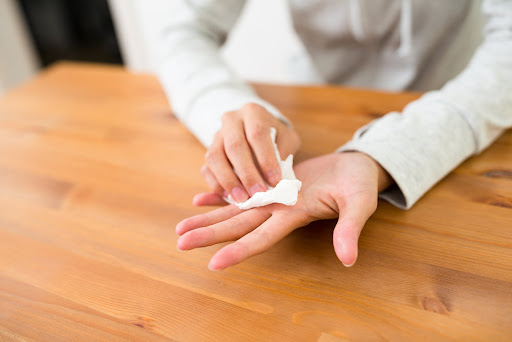
Sweaty palms can be confusing and frustrating, especially when they happen even when you feel completely calm. Many people automatically associate hand sweating with nervousness or stress, but that explanation does not always fit. You might be relaxed, going about your normal day, and still notice your hands becoming damp without any clear reason.
This kind of sweating often points to how your body naturally regulates temperature and responds to internal signals. In some cases, it may be linked to a condition known as Palmar Hyperhidrosis, where the sweat glands are overactive. It can also be influenced by the Sympathetic Nervous System, which controls automatic body functions and may trigger sweating even when you are not anxious.
Beyond that, factors such as genetics, hormones, diet, and certain medical conditions can play a role in persistent sweaty palms. Because of this, it is important not to dismiss the symptom as purely emotional, especially if it happens frequently or interferes with your daily activities.
In this article, we will explore why your palms may be constantly sweaty even without anxiety, the possible underlying causes, how your body’s systems contribute to the condition, and the most effective ways to manage and treat it.
What Is Sweaty Palms?
Sweaty palms refer to the excessive production of sweat on the hands, often beyond what is needed to regulate body temperature. While it is normal for your palms to become slightly moist in hot weather or during moments of stress, constantly damp or dripping hands may indicate something more than a typical response.

In many cases, this condition is known as Palmar Hyperhidrosis. It occurs when the sweat glands in the hands become overactive, producing more sweat than necessary even when there is no clear trigger such as heat or anxiety. This can happen at any time, whether you are resting, working, or in a cool environment.
Recommended: Why Do I Wake Up at 3 AM Every Night with Anxiety?
Sweaty palms are controlled by the Sympathetic Nervous System, which manages automatic functions like sweating. In some people, this system sends stronger or more frequent signals to the sweat glands, leading to persistent moisture on the palms without any emotional cause.
Although sweaty palms are not usually dangerous, they can affect daily activities, from holding objects to social interactions like handshakes. Understanding what sweaty palms really are is the first step toward identifying the cause and finding the right way to manage them.
Common Causes of Sweaty Palms Without Anxiety
Sweaty palms without anxiety can stem from a variety of internal and external factors. While it may seem unusual, your body can produce excess sweat due to how certain systems function rather than how you feel emotionally. Understanding these causes in detail can help you identify patterns and decide whether further attention is needed.
Palmar Hyperhidrosis
This is the most common medical explanation for persistently sweaty palms. It is a condition where the sweat glands in the hands are overactive, producing more sweat than the body actually needs. Unlike normal sweating, which is triggered by heat or stress, this condition can occur randomly, even when you are relaxed or in a cool environment. It often begins in childhood or adolescence and can continue into adulthood. The sweating may be symmetrical, meaning both palms are affected equally, and it can interfere with everyday tasks like writing, holding objects, or using electronic devices.
Genetics
Family history plays a significant role in excessive sweating. If one or both of your parents experience sweaty palms or similar symptoms, there is a higher chance you may develop it as well. This is because certain inherited traits can affect how active your sweat glands are or how your body regulates temperature. In genetically influenced cases, symptoms often appear early in life and may persist over time, regardless of emotional state or environment.
Overactive Sympathetic Nervous System
The sympathetic nervous system is responsible for controlling involuntary body functions such as sweating, heart rate, and blood flow. In some individuals, this system becomes overactive or hypersensitive. As a result, it sends frequent signals to the sweat glands, instructing them to produce sweat even when there is no need for cooling or stress response. This explains why your palms may sweat even when you feel completely calm. It is essentially a miscommunication within the body’s automatic control system.
Hormonal Imbalances
Hormones regulate many processes in the body, including metabolism and temperature control. When there is an imbalance, it can lead to increased sweating. For example, Hyperthyroidism causes the thyroid gland to produce excess hormones, which speeds up the body’s metabolism and can result in heat intolerance and excessive sweating. Hormonal fluctuations during puberty, menstrual cycles, or other endocrine changes can also contribute to sweaty palms, even in the absence of anxiety.
Recommended: How to Lose Inner Thigh Fat Fast and Eliminate ‘Chub Rub’
Underlying Medical Conditions
Certain health conditions can affect how your body controls sweat production. For instance, Diabetes can influence nerve function and blood sugar levels, both of which play a role in sweating. When blood sugar drops too low or rises too high, the body may respond by producing sweat. Other conditions that affect the nervous system or metabolism can also lead to similar symptoms, making it important to consider a medical evaluation if the sweating is persistent or accompanied by other unusual signs.
Environmental and Lifestyle Factors
Even without anxiety, external factors can stimulate your sweat glands. High temperatures and humidity naturally increase sweating as the body tries to cool itself. Additionally, substances like caffeine can stimulate the nervous system, leading to increased sweat production. Spicy foods can also trigger a response known as gustatory sweating, where the body reacts as if it needs to cool down. If your body is already prone to sweating, these triggers can make your palms feel constantly damp.
Why Are my Palms Always Sweaty But I am Not anxious?
If your palms are always sweaty even when you are not anxious, it usually means the cause is physical rather than emotional. Sweating is controlled automatically by your body, so it can happen even when you feel completely calm. In many cases, this is linked to a condition called Palmar Hyperhidrosis, where the sweat glands in the hands become overactive and produce more sweat than needed, even without any trigger.

Another important factor is the Sympathetic Nervous System, which controls involuntary functions like sweating. In some people, this system can be more sensitive and send signals to the sweat glands even when there is no heat or emotional stress. This is why sweaty palms can happen randomly, regardless of how relaxed you feel.
Recommended: Can You Wash Your Hands with Body Wash?
Other possible causes include hormonal or medical conditions such as Hyperthyroidism and Diabetes, as well as lifestyle triggers like caffeine, spicy foods, or hot weather. Genetics can also make some people more prone to sweating than others. While it is usually not dangerous, persistent sweaty palms may be worth checking with a healthcare professional if it affects your daily life.
Treatment Options for Sweaty Palms
Treatment for sweaty palms depends on how severe the condition is and what is causing it. In many cases, simple lifestyle changes can help, while more persistent cases may require medical treatments. The goal is usually to reduce excessive sweating and improve daily comfort and confidence.
1. Topical Antiperspirants
The first line of treatment often includes strong antiperspirants that contain aluminum chloride. These products work by blocking the sweat ducts, reducing the amount of sweat released from the palms. They are usually applied at night for best results and can be effective for mild to moderate cases.
2. Iontophoresis
This is a non-invasive treatment that uses a mild electrical current passed through water to temporarily block sweat glands. The hands are placed in a shallow tray of water during the procedure. Over time, regular sessions can significantly reduce sweating and provide long-term relief for many people.
3. Oral Medications
In some cases, doctors may prescribe medications that reduce sweating by blocking the chemical signals that activate sweat glands. These are usually used when other treatments are not effective, but they may come with side effects, so they are carefully monitored.
4. Botulinum Toxin Injections
Botox injections can be used to block the nerves that trigger sweating in the palms. This can provide relief for several months, but the treatment needs to be repeated periodically as the effect wears off over time.
Recommended: Do Basketball Players Shave Their Armpits?
5. Endoscopic Thoracic Sympathectomy
For severe cases that do not respond to other treatments, surgery may be considered. This procedure interrupts the nerve signals responsible for excessive sweating. While it can be very effective, it is usually reserved as a last option due to potential side effects.
6. Lifestyle and Home Remedies
Simple changes such as avoiding caffeine, reducing spicy foods, managing heat exposure, and using absorbent materials can also help. Keeping hands dry with tissues or powders and practicing good hand hygiene can reduce discomfort in daily situations.
Overall, there are many effective ways to manage sweaty palms, ranging from simple daily habits to advanced medical treatments. The best option depends on the severity of symptoms and how much they affect your lifestyle.
Practical Ways to Manage Sweaty Palms

Managing sweaty palms often starts with simple daily habits that help reduce moisture and keep your hands more comfortable. While these methods may not completely stop sweating, they can significantly improve control and reduce embarrassment in everyday situations.
- Use Absorbent Materials Regularly: Carry tissues, handkerchiefs, or absorbent wipes so you can quickly dry your palms when needed. This helps especially during activities like writing, using your phone, or shaking hands.
- Choose the Right Hand Products: Using talc-free powder or light antiperspirant creams on your hands can help absorb moisture and reduce sweating. Applying these products before going out or starting your day can make a noticeable difference.
- Keep Your Hands Cool: Heat can increase sweating, so try to keep your hands cool whenever possible. Washing your hands with cool water or resting them in a cooler environment can temporarily reduce sweat production.
- Avoid Common Triggers: Substances like caffeine and spicy foods can stimulate the nervous system and increase sweating. Reducing intake of these can help minimize episodes of sweaty palms.
- Improve Hand Hygiene Routine: Washing and drying your hands regularly helps prevent moisture buildup and keeps your skin more comfortable. Make sure to dry thoroughly after washing, especially between fingers.
- Practice Stress-Free Hand Habits: Even though your sweating may not be caused by anxiety, tension can still worsen it. Keeping your hands relaxed and avoiding unnecessary pressure can help reduce triggering signals to the sweat glands.
- Wear Breathable Fabrics When Possible: While this mostly affects overall body temperature, wearing light clothing can help regulate heat and indirectly reduce sweating in your hands.
Conclusion
Sweaty palms are a common condition that can happen even when you are not anxious, and in most cases, it is linked to how your body naturally regulates sweat rather than your emotional state. Conditions like Palmar Hyperhidrosis, an overactive Sympathetic Nervous System, hormonal changes such as Hyperthyroidism, or even lifestyle and environmental factors can all contribute to this issue.
The good news is that sweaty palms can be managed effectively in many ways, from simple daily habits to medical treatments when necessary. While it may feel uncomfortable or embarrassing at times, it is usually not dangerous and can often be controlled with the right approach.
If the sweating is persistent or begins to affect your daily life, seeking medical advice can help identify the exact cause and guide you toward the most suitable treatment.