
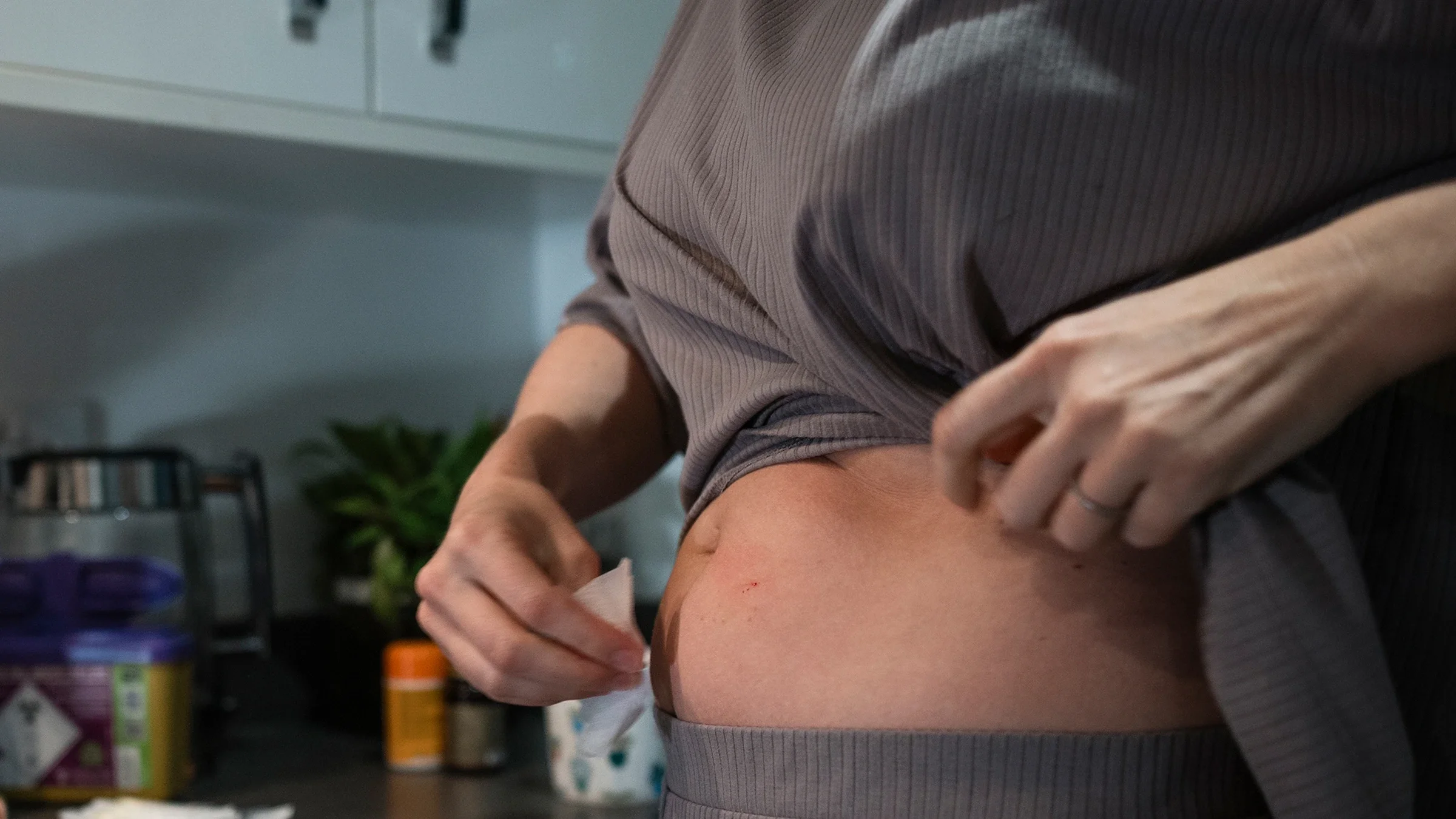
Zepbound is a prescription medication used for weight management, and it is administered as a subcutaneous injection just under the skin. Because of this delivery method, many people are curious about whether the exact part of the body used for the injection can influence how effective the medication is or how the body responds to it.
For most patients, common injection sites include the abdomen, thigh, and upper arm, and these areas are generally considered suitable for consistent absorption. Understanding how each of these sites works and whether one is better than another can help patients feel more confident and comfortable with their treatment routine.
It is also important to know that rotating injection sites can help reduce skin irritation, discomfort, or the formation of small lumps under the skin. Learning how and when to switch sites properly can improve the overall injection experience and support better long-term adherence.
Best practices for administering Zepbound safely, along with what healthcare providers typically recommend, can make a significant difference in comfort and confidence during use. Knowing these details helps patients focus on consistency and proper technique rather than worrying too much about exact placement.
In this article, we will explore whether it matters where you inject Zepbound, how different injection sites affect absorption, and the key tips for safe and effective use.
How Is Zepbound Administered?

Zepbound is administered as a once-weekly subcutaneous injection, meaning it is injected into the fatty tissue just under the skin rather than into a muscle or vein. It is designed for self-administration using a pre-filled pen, making it convenient for patients to use at home after proper instruction from a healthcare provider.
Recommended: Does Zepbound Help With Acne?
Before injecting, the medication should be checked to ensure it is clear and not damaged, and the injection site should be cleaned with an alcohol swab. The pen is then placed against the skin at a recommended site such as the abdomen, thigh, or upper arm, and the dose is delivered by pressing the injection mechanism until complete.
The injection is usually quick and does not require complex preparation, but patients are advised to follow the prescribed schedule strictly, typically once every week on the same day. Rotating injection sites with each dose is also recommended to reduce irritation and maintain skin health over time.
Why Zepbound Injection Site Even Matters
Zepbound is given as a subcutaneous injection, which means it is absorbed through the fatty layer under the skin. Because absorption happens in this layer, the injection site can raise questions about whether it affects how quickly or effectively the medication works.
Different areas of the body, such as the abdomen, thigh, and upper arm, have slightly different amounts of fat, blood flow, and sensitivity. These differences can influence how comfortable the injection feels and may also affect how quickly the medication is absorbed in small, subtle ways, even though overall effectiveness is generally similar across approved sites.
The injection site also matters for comfort and skin health over time. Repeated injections in the same spot can lead to irritation, redness, or small lumps under the skin, which is why rotating sites is commonly recommended by healthcare providers.
Recommended: Why Am I Still Hungry on 5mg of Tirzepatide?
Understanding why the injection site matters helps patients use Zepbound more confidently, ensuring both proper absorption and a more comfortable long-term treatment experience.
Recommended Injection Sites for Zepbound
Zepbound is given as a subcutaneous injection, and it can be safely administered in a few approved areas of the body. These sites are chosen because they have enough fatty tissue to support proper absorption and reduce discomfort.
1. Abdomen (Stomach Area)
The abdomen is the most commonly used injection site. It has a wide surface area and a good layer of fatty tissue, which makes injections easier and often less painful. Patients are usually advised to avoid injecting too close to the navel and to choose different spots within the abdominal area each time.
2. Thigh (Front or Outer Upper Thigh)
The upper thigh is another recommended site that is easy to access, especially for self-injection. It provides consistent absorption and is a good alternative for people who may prefer not to use the abdomen repeatedly. Injecting into different parts of the thigh also helps reduce irritation over time.

3. Upper Arm (Back or Outer Area)
The upper arm can also be used for injection, particularly the back or outer part where there is enough fatty tissue. However, this site may be harder to reach without assistance. It is still effective and is often used when rotating away from the abdomen or thigh.
Using these three sites in rotation helps maintain skin health, reduce irritation, and support a more comfortable injection routine while using Zepbound.
Recommended: Why Am I Still Hungry on 5mg of Tirzepatide?
Does Injection Site Affect Effectiveness of Zepbound?
For most people, the injection site does not meaningfully change how well Zepbound works. It is designed for subcutaneous use, meaning it is absorbed slowly and steadily from the fatty layer under the skin regardless of whether it is injected into the abdomen, thigh, or upper arm. Clinical guidance generally supports that these approved sites provide similar absorption, so the medication’s overall effectiveness in helping regulate appetite and support weight loss remains consistent across all recommended areas.
That said, small differences in absorption speed can occur from person to person due to natural variations in blood flow, fat distribution, and skin thickness at different sites. For example, one area may feel slightly faster or more sensitive than another, but these differences are usually not clinically significant. Because of this, healthcare providers place more emphasis on correct technique, consistent weekly dosing, and rotating injection sites to avoid irritation rather than focusing on a single “best” location.
Side Effects That May Be Linked to Injection Site for Zepbound
It is important to know that most injection-site reactions from Zepbound are mild, temporary, and not dangerous. They usually resolve on their own as the skin heals, especially when proper injection technique and site rotation are followed.
- Redness: Mild redness can appear at the injection site shortly after administering Zepbound. This is usually due to minor skin irritation and typically fades within a few hours to a couple of days.
- Swelling: Some people may notice slight swelling around the area where the injection was given. This is a normal local reaction and usually resolves on its own without treatment.
- Itching or irritation: Itching can occur as the skin reacts to the injection. It is generally mild and temporary, and it often improves quickly as the body adjusts.
- Bruising: A small bruise may form if a tiny blood vessel is affected during injection. This is usually harmless and clears up within a few days.
- Small lump or firmness: Repeated injections in the same area can sometimes cause a small, firm lump under the skin. This is often prevented by rotating injection sites regularly.
Recommended: Xeomin vs Jeuveau: Which Is the Best Wrinkle Treatment?
Best Practices for a Comfortable Injection Experience with Zepbound
A comfortable injection experience is mostly about preparation, technique, and consistency. Following the right steps can reduce pain, minimize skin reactions, and make self-injection much easier over time.
1. Prepare Your Skin Properly

Before injecting Zepbound, clean the injection site with an alcohol swab and allow it to dry completely. This helps reduce the risk of infection and also prevents stinging that can happen if the alcohol is still wet during injection.
2. Let The Medication Reach Room Temperature
If the pen has been stored in the refrigerator, allowing it to sit at room temperature for a short time can make the injection more comfortable. Cold medication can sometimes feel more painful or cause extra skin sensitivity.
3. Relax The Injection Area
Try not to tense the muscle or tighten the skin at the injection site. Keeping the area relaxed helps the needle enter more smoothly and reduces discomfort. Taking a slow breath before injecting can also help reduce anxiety and muscle tension.
4. Rotate Injection Sites Regularly
Switching between the abdomen, thigh, and upper arm helps prevent irritation, bruising, and the development of small lumps under the skin. Avoid injecting into the exact same spot repeatedly, even if it feels comfortable.
Recommended: How to Fix Ozempic Face Naturally
5. Use Proper Injection Technique
Follow the instructions provided for Zepbound carefully, including placing the pen flat against the skin and holding it in place for the full recommended time. Rushing the process can lead to incomplete dosing or more discomfort.
6. Choose a Clean, Comfortable Environment
Injecting in a calm, well-lit space where you feel relaxed can make a big difference. Being rushed or distracted may increase anxiety and make the process feel more uncomfortable than it actually is.
7. Avoid Irritated or Damaged Skin
Do not inject into areas that are bruised, scarred, swollen, or irritated. Healthy skin ensures better absorption and reduces the likelihood of additional pain or side effects.
Conclusion
In summary, Zepbound is designed to work effectively regardless of whether it is injected into the abdomen, thigh, or upper arm, as long as it is given in the correct subcutaneous layer. While the injection site does not significantly change the medication’s overall effectiveness, choosing approved areas and using proper technique helps ensure consistent results and a more comfortable experience.
What matters most is not focusing on a single “perfect” spot, but rather maintaining good injection habits such as rotating sites, avoiding irritated skin, and following proper administration guidelines. These practices help reduce side effects like redness, swelling, or small lumps and support healthier skin over time.
Ultimately, understanding how and where to inject Zepbound allows patients to feel more confident and in control of their treatment. With the right approach, injections can become a simple and manageable part of a safe and effective weight management routine.