
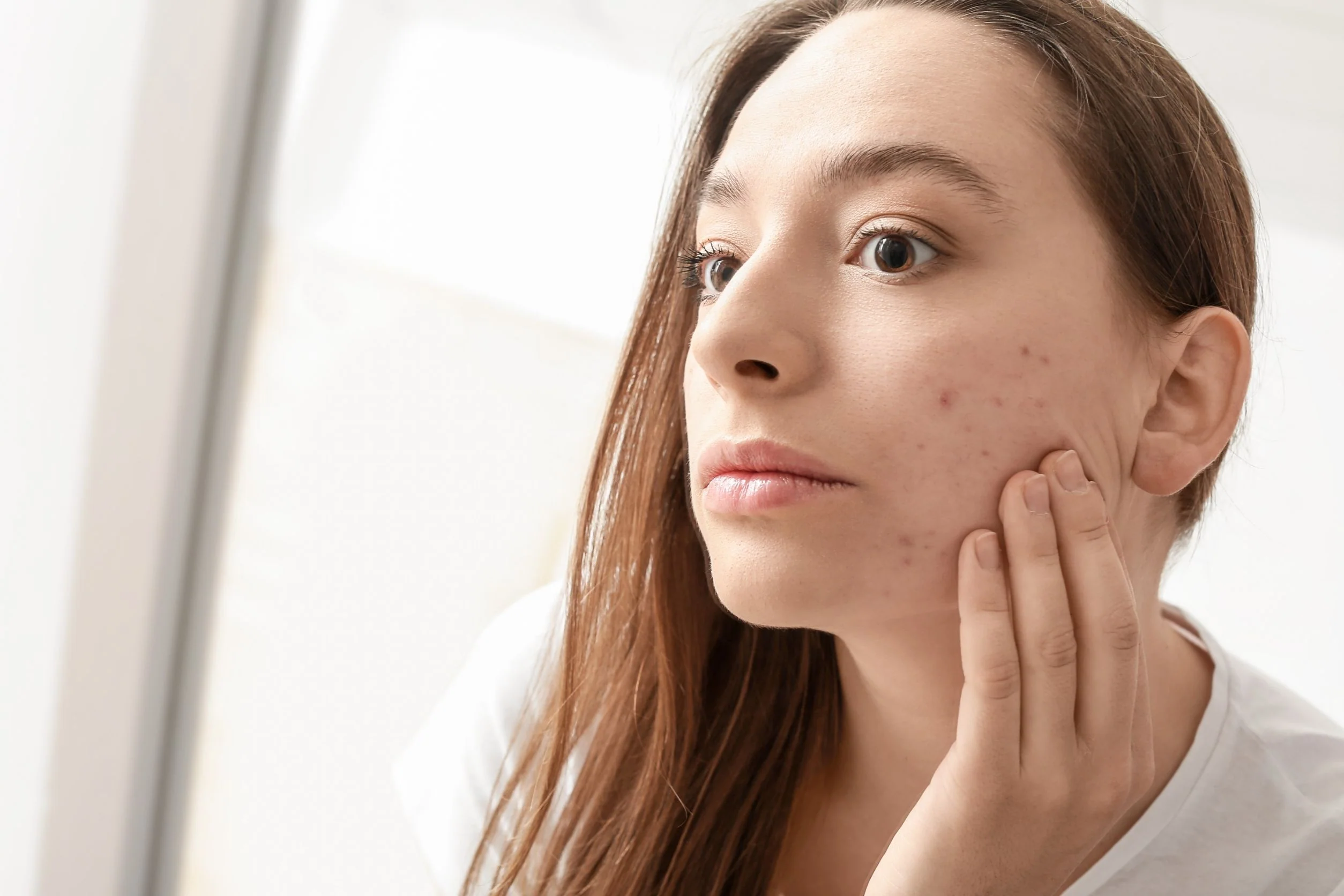
Zepbound has become a widely discussed medication in weight management, especially as more people use it to support appetite control and improve metabolic health. With its growing popularity, some users have started paying closer attention to changes in their skin and wondering whether it could have any impact on acne. This curiosity has led to increasing discussions about whether there is any real connection between Zepbound and skin improvements or breakouts.
As interest continues to rise, it is important to understand how Zepbound works in the body and whether its effects on hormones, weight loss, and metabolism could indirectly influence acne. While the medication is not designed to treat skin conditions, some people report changes that may be linked to broader internal shifts rather than a direct effect on the skin itself.
In this article, we will explore whether Zepbound helps with acne, possible side effects that may affect the skin, and how to manage acne while using the medication.
What Is Zepbound and How Does It Work?

Zepbound is a prescription medication used for chronic weight management in adults who have obesity or are overweight with weight-related health conditions. It belongs to a class of drugs that work on hormones involved in appetite and blood sugar control, helping reduce food intake and support sustained weight loss when combined with diet and exercise.
Recommended: Why Am I Still Hungry on 5mg of Tirzepatide?
Zepbound works by mimicking two natural hormones in the body called GIP (glucose-dependent insulinotropic polypeptide) and GLP-1 (glucagon-like peptide-1). These hormones help regulate hunger, slow down digestion, and improve how the body handles insulin and blood sugar. By activating these pathways, Zepbound helps people feel full faster, stay full longer, and reduce cravings, which leads to lower calorie intake over time.
Overall, the medication does not directly target acne or skin conditions. Instead, its main action is on metabolism, appetite, and insulin regulation, which may indirectly influence other body systems, including the skin, in some users.
Can Zepbound Directly Improve Acne?
No, Zepbound does not directly improve acne, and there is currently no clinical evidence that it is effective as a treatment for skin conditions like acne. It does not target the main causes of acne such as excess oil production, clogged pores, bacteria, or skin inflammation.
However, some people may still notice changes in their skin while using it. This is usually indirect and related to how the medication affects the body as a whole. Zepbound can improve insulin sensitivity and support weight loss, and these changes may help reduce hormonal imbalances that can contribute to acne in some individuals. Lower insulin levels may also reduce androgen activity, which can lead to decreased oil production and fewer breakouts for certain people.
It is also important to understand that not everyone experiences the same skin response. Some users may see improvement, while others may notice no change or even temporary breakouts due to hormonal adjustments or metabolic changes during weight loss. Overall, any acne changes linked to Zepbound are indirect, and more research is needed to fully understand its impact on skin health.
Can Zepbound Make Acne Worse?
Yes, Zepbound may be associated with acne worsening in some people, although there is no strong clinical evidence proving a direct cause-and-effect link. It is not classified as a drug that triggers acne, but individual skin reactions can vary during treatment.
One possible reason acne may appear worse is the hormonal and metabolic changes that can happen during rapid weight loss. When the body adjusts to changes in insulin levels, appetite hormones, and fat metabolism, it can temporarily affect androgen activity. Androgens are hormones that can increase oil (sebum) production, which may lead to clogged pores and breakouts in acne-prone individuals.
Recommended: Benefits of Silk Pillowcase for Acne-Prone Skin
Another factor is body stress during the early stages of treatment. Some users experience side effects like nausea, reduced appetite, or dietary changes, which can indirectly affect skin health through nutrient intake or hydration levels. Stress responses in the body may also influence inflammation, which can sometimes trigger acne flare-ups.
In summary, Zepbound does not directly cause acne, but in certain individuals it may contribute to temporary breakouts due to internal adjustments in hormones, metabolism, or lifestyle changes during treatment.
Why People Think Zepbound Might Affect Acne

People connect Zepbound with acne changes mostly because of indirect body and lifestyle effects noticed during treatment. Here are the main reasons:
- Hormonal changes during weight loss: Rapid weight loss can shift insulin and androgen levels. Since these hormones influence oil production in the skin, people may notice their acne improving or flaring during the process.
- Improved insulin sensitivity: Zepbound helps the body respond better to insulin. Lower insulin levels may reduce excess oil production in some people, which leads others to assume the drug is “clearing skin.”
- Dietary changes: Many users naturally eat less sugar, processed food, and high-glycemic meals while on Zepbound. These dietary changes are known to help reduce acne, so the improvement may be linked to lifestyle, not the drug itself.
- Gut and digestion changes: The medication slows digestion and changes gut hormone activity. Since gut health is sometimes linked to skin inflammation, users may associate any skin change with the drug.
- Stress and body adjustment: Early treatment can cause physical stress like nausea or appetite changes. Stress responses in the body can sometimes trigger acne flare-ups, leading to the belief that Zepbound is responsible.
- Coincidence and timing: Acne naturally fluctuates due to cycles, hormones, and environment. If changes happen around the same time someone starts Zepbound, it is easy to assume a connection even if it is unrelated.
Recommended: Botox vs. Dysport: Which is right for you?
Lifestyle Changes While on Zepbound That May Affect Skin
While using Zepbound, many people experience lifestyle and body changes that do not directly target the skin but can still influence acne in different ways.
1. Reduced Calorie And Sugar Intake
Zepbound naturally reduces appetite, so many users consume fewer calories and cut back on sugary foods and refined carbohydrates. This matters because high-glycemic foods can increase insulin spikes, which may raise androgen activity and oil production in the skin. Over time, lowering these foods may help reduce breakouts in acne-prone individuals.
2. Changes in Nutrient Intake
When eating less overall, it is possible to unintentionally reduce intake of key skin-supporting nutrients like zinc, omega-3 fatty acids, vitamin A, vitamin E, and protein. These nutrients support skin repair, reduce inflammation, and help regulate oil balance. If intake becomes too low, some people may notice dryness, slower healing of pimples, or dull skin.
3. Improved Hydration Habits
Some users become more conscious of drinking water during their weight loss journey. Better hydration supports the skin barrier, helps maintain elasticity, and can reduce dryness or irritation. However, hydration alone does not prevent acne, but it supports overall skin function.
4. Sleep Pattern Changes
Weight loss and hormonal adjustments may improve sleep in some individuals, while others may experience temporary sleep disturbances from side effects like nausea or appetite changes. Good sleep helps regulate cortisol levels, and lower cortisol is often linked to reduced inflammation and fewer stress-related breakouts.
5. Reduced Systemic Inflammation From Weight Loss
As body fat decreases, inflammatory markers in the body may also reduce. Lower systemic inflammation can sometimes reflect positively on the skin, especially in people whose acne is linked to inflammatory responses. This is one reason some users report clearer skin over time.
6. Digestive And Gut Microbiome Changes
Zepbound slows gastric emptying and alters gut hormone activity, which may indirectly affect the gut microbiome. Since gut health is connected to inflammation and immune response, some people believe this shift may influence skin conditions, although research is still limited.
7. Stress And Body Adaptation Phase

In the early stages of treatment, the body adjusts to appetite suppression and hormonal changes. Side effects like nausea, fatigue, or reduced food enjoyment can create temporary physical stress. This stress response may increase cortisol levels in some individuals, which can trigger acne flare-ups.
Recommended: Best Body Wash for Teenage Skin
8. Skincare Routine Changes
Some users unintentionally change their skincare habits during treatment, such as washing their face less consistently due to fatigue or changing products due to sensitivity. Even small routine disruptions can affect acne severity.
9. Lifestyle Motivation Effects
Weight loss progress can motivate healthier routines overall, including better diet choices, exercise, and hygiene habits. These combined changes may improve skin over time, even though they are not directly caused by the medication itself.
Managing Acne While Using Zepbound
While using Zepbound, acne is usually managed in the same way as general hormonal or adult acne, since the medication itself is not a direct acne treatment. The goal is to support the skin while the body goes through metabolic and hormonal adjustments.
- Keep a consistent skincare routine: Use a gentle cleanser twice daily to remove excess oil, sweat, and impurities without stripping the skin. Consistency helps prevent clogged pores, which are a major trigger for breakouts.
- Use non-comedogenic products: Choose skincare and makeup products labeled non-comedogenic. These are less likely to block pores and reduce the risk of new acne forming while your skin is adjusting.
- Consider proven acne treatments: Over-the-counter ingredients like benzoyl peroxide, salicylic acid, and adapalene can help reduce bacteria, unclog pores, and control inflammation. These remain the most reliable first-line options for acne management.
- Support skin through diet and hydration: Even though Zepbound may reduce appetite, try to maintain a balanced intake of protein, fruits, vegetables, and healthy fats. Nutrients like zinc and omega-3 fatty acids support skin healing and reduce inflammation. Staying hydrated also helps maintain a healthy skin barrier.
- Avoid over-treating the skin: Because some users may experience dryness or sensitivity, using too many active products at once can worsen irritation. Start slowly and introduce treatments one at a time.
- Manage stress levels: Stress can increase cortisol, which may worsen acne. Light exercise, good sleep habits, and relaxation techniques can help keep hormone-related breakouts under control.
- Monitor skin changes early: Track how your skin responds during the first few weeks or months. Early monitoring helps you adjust skincare routines before breakouts become severe.
- Consult a dermatologist if needed: If acne becomes persistent, painful, or scarring, a dermatologist can prescribe stronger treatments such as topical retinoids, antibiotics, or hormonal therapy. These can be safely used alongside weight-loss medications when properly guided.
Conclusion
Zepbound is not designed to treat acne, and there is no scientific evidence showing that it directly improves or worsens acne. Its primary role is in weight management through appetite control, improved insulin sensitivity, and metabolic regulation.
However, the changes it triggers in the body, such as weight loss, hormonal shifts, dietary adjustments, and reduced inflammation, may indirectly influence skin health in different ways. This is why some people report clearer skin, while others may experience temporary breakouts during the adjustment period.
Overall, acne changes during Zepbound use are highly individual and not guaranteed. The best approach is to maintain a consistent skincare routine and seek dermatological advice if breakouts become persistent or severe.