
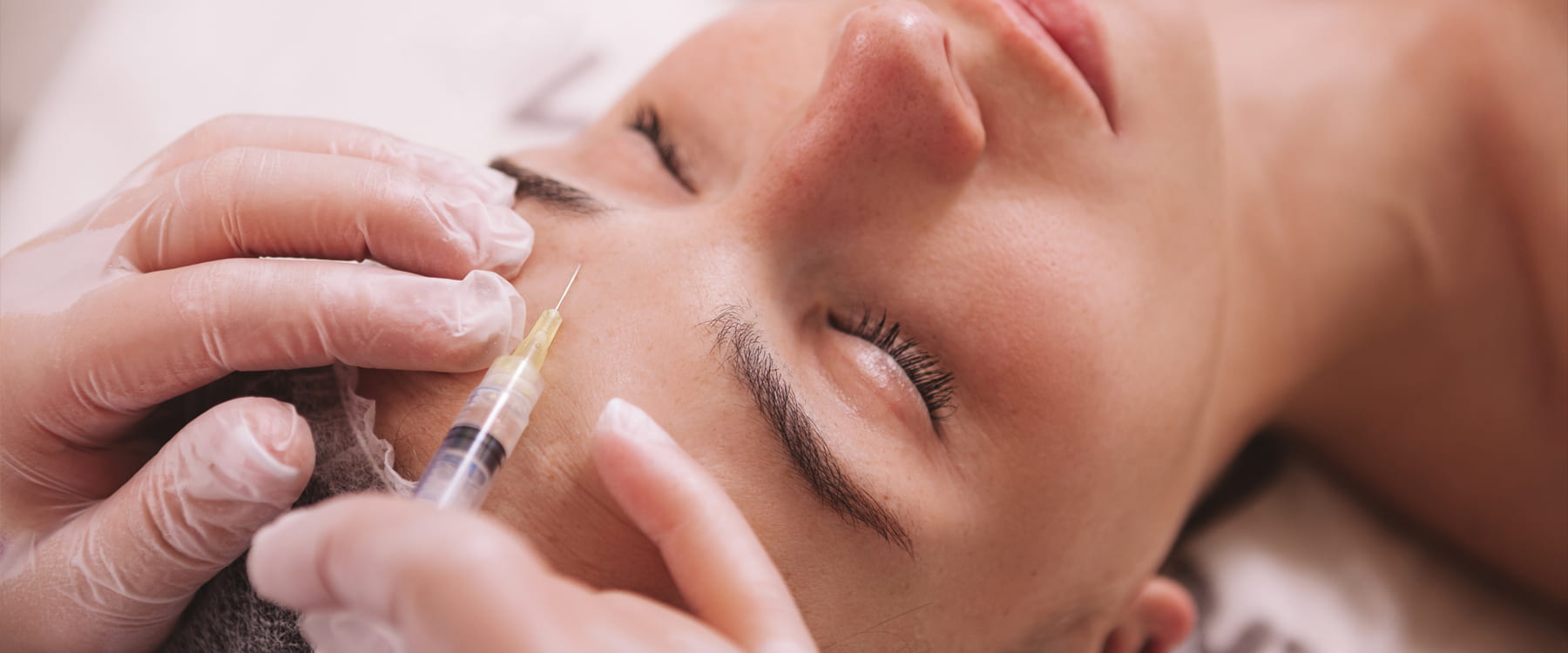
Botox is one of the most popular non surgical cosmetic treatments to reduce the appearance of fine lines and wrinkles. It works by temporarily relaxing some facial muscles to achieve a smoother, more youthful look. Over the years, Botox has become a trusted choice for people looking to refresh their look without the downtime associated with invasive cosmetic procedures.
As the demand for injectable treatments continues to grow, many people are also becoming interested in Dysport, another neuromodulator commonly used for wrinkle reduction. Although both treatments work in similar ways and are made from botulinum toxin type A, they have noticeable differences that can affect treatment results, longevity, cost, and overall patient experience.
Choosing between Botox and Dysport is not always straightforward because the right option often depends on factors such as your treatment goals, facial anatomy, budget, and how quickly you want to see results. Some individuals may prefer the precision of Botox for smaller treatment areas, while others may benefit from the faster spread and onset commonly associated with Dysport.
In this article, we will compare Botox and Dysport in detail, including how they work, their major differences, treatment areas, side effects, expected results, who may be a better candidate for each treatment and care tips after each treatment.
What is Botox?
Botox is a purified injectable treatment used in cosmetic medicine to reduce the appearance of dynamic wrinkles, which are wrinkles caused by repeated facial movements such as smiling, frowning, and squinting. Botox is considered one of the most popular non surgical cosmetic procedures because it offers noticeable results with little downtime.

Botox works by temporarily stopping the nerve signals telling certain muscles to contract. If these muscles are unable to fully contract, the skin on top becomes smoother and more relaxed. This helps to soften the wrinkles you already have and can help to prevent deeper lines from forming over time. The treatment does not permanently change the muscles or skin, which is why repeat sessions are needed to maintain results.
Recommended: How to Fix Ozempic Face Naturally
Most people begin seeing improvements within a few days after treatment, although full results usually appear within one to two weeks. The effects commonly last between three and four months, depending on factors such as metabolism, dosage, muscle strength, and lifestyle habits.
What is Dysport?
Dysport is an injectable cosmetic treatment that is designed to temporarily relax the targeted muscles to help diminish the appearance of dynamic wrinkles and fine lines caused by repeated facial movements. Dysport is a popular choice in aesthetic medicine and is known for its ease of spread over larger treatment areas.
Like other neuromodulators, Dysport works by blocking nerve signals that tell muscles to contract. Facial expressions such as smiling, frowning, and squinting repeatedly activate certain muscles over time, causing wrinkles and creases to form in the skin. When Dysport is injected into these muscles, it temporarily reduces their activity, allowing the skin above them to appear smoother and more refreshed.
One of the key characteristics of Dysport is its faster onset time for some patients. Many people begin noticing visible improvements within two to three days after treatment, although full results may still take up to two weeks to develop. The results generally last between three and five months depending on factors such as dosage, metabolism, treatment area, and muscle strength.
Key Differences Between Botox And Dysport
When comparing Botox and Dysport, many people assume they are simply the same treatment sold under different brand names. While both products belong to the same family of injectable neuromodulators and work by temporarily relaxing facial muscles to reduce wrinkles, they have several distinct differences.
1. Formula and Molecular Structure
Botox has a more concentrated structure that tends to remain closer to the injection site. This allows practitioners to target smaller facial muscles with greater precision and control. But Dysport has smaller protein particles that can diffuse more easily below the skin’s surface. This wider spread often means that Dysport is preferred for larger areas of the face like the forehead.
Recommended: How to Prevent ‘Ozempic Face’ While Losing Weight Fast
2. Spread and Diffusion
One of the most noticeable differences between Botox and Dysport is how they spread after injection.
Botox tends to stay localized, making it especially useful for smaller or highly targeted treatment areas. It is commonly used for precise wrinkle correction around the eyes, lips, chin, and brows where controlled muscle relaxation is important.

Dysport spreads more broadly beneath the skin, which can create softer and more blended looking results across wider treatment zones. This characteristic may also reduce the number of injections needed in certain areas because the product covers a larger surface area.
3. Onset Time
The speed at which results appear is another important difference between Botox and Dysport.
Dysport is known to work relatively fast, with most patients reporting seeing results within two to three days after treatment. Botox usually takes a little longer, with visible improvements generally seen within three to seven days. But overall, it takes around two weeks for the full effects of both treatments to kick in. For individuals preparing for an upcoming event or occasion, the faster visible results associated with Dysport may be appealing.
4. Duration of Results
Both Botox and Dysport provide temporary results because the body gradually restores communication between the nerves and muscles over time.
Botox results typically last around three to four months, while Dysport may last between three and five months for some individuals. However, longevity varies from person to person and depends on several factors, including metabolism, dosage, treatment area, muscle activity, and lifestyle habits.
5. Dosage Differences
A common misconception is that Botox is stronger because fewer units are used during treatment. In reality, Botox and Dysport use completely different measurement systems, so their units cannot be directly compared.
Recommended: Benefits of Silk Pillowcase for Acne-Prone Skin
Dysport usually requires a higher number of units to achieve effects similar to Botox, but this does not mean it is weaker or less effective. The difference simply reflects how each product is manufactured and measured.
6. Natural Looking Results
Both Botox and Dysport are capable of producing natural looking outcomes when administered correctly. The final appearance depends far more on injector skill, facial anatomy, dosage, and treatment planning than on the product itself.
Modern cosmetic treatments aim to soften facial lines while preserving natural expression and movement. When properly injected, both Botox and Dysport can reduce wrinkles without creating an overly frozen appearance.
Which Works Faster: Botox or Dysport?
When comparing Botox and Dysport, Dysport is generally believed to work faster. Many people begin noticing visible improvements within two to three days after treatment with Dysport, while Botox often takes about three to seven days before early results appear. However, both treatments usually show full results within one to two weeks.
The reason Dysport may work faster is because it spreads more easily beneath the skin after injection. This allows the product to affect the treated muscles more quickly in some cases. Botox tends to stay more concentrated in the injection area, which can make it slightly slower to show results but often allows for more precise treatment in smaller facial areas.
Even though Dysport may produce quicker visible changes, the best option depends on your individual goals and treatment needs. Some people prefer faster results, especially before important events, while others may choose Botox for its precision and controlled effects. The experience and technique of the injector also play a major role in the final outcome of both treatments.
Recommended: Living with Dermatographia: What to Know
Who Is an Ideal Candidate for Botox?
Botox is a suitable treatment for people who want to reduce the appearance of expression lines caused by repeated facial movements. It works best for softening wrinkles rather than completely changing facial structure, so the ideal candidate is someone who understands that results are temporary and require maintenance over time.

Ideal candidates for Botox include:
- Adults who have mild to moderate dynamic wrinkles
- People with forehead lines, frown lines, or crow’s feet
- Individuals who want a smoother but natural looking appearance
- Those who prefer non surgical cosmetic treatments
- People looking for preventive treatment to slow wrinkle formation
- Adults in good general health with realistic expectations
- Individuals who want targeted treatment in specific facial areas
Botox may not be suitable for everyone, especially those with certain medical conditions or sensitivities. A consultation with a qualified provider is important to ensure safety and to determine the most appropriate treatment plan based on individual needs and goals.
Recommended: Can You Use Dove Bubble Bath as Body Wash?
Who Is an Ideal Candidate for Dysport?
Dysport is a good option for people who want to soften facial wrinkles caused by repeated expressions. It works by relaxing targeted muscles, helping the skin look smoother while still maintaining natural facial movement. The ideal candidate is someone who understands that results are temporary and require repeat treatments to maintain the effect.
Ideal candidates for Dysport include:
- Adults with moderate to severe dynamic wrinkles
- People with forehead lines or larger treatment areas
- Individuals who want faster visible results
- Those who prefer a smoother, more blended facial appearance
- People seeking non surgical wrinkle reduction treatments
- Adults in good overall health with realistic expectations
- Individuals who want treatment with broader diffusion across muscles
Dysport may not be suitable for everyone, especially individuals with certain neurological conditions, allergies to botulinum toxin ingredients, or those who are pregnant or breastfeeding. A professional consultation is always necessary to determine if Dysport is safe and appropriate for your specific needs and aesthetic goals.
Aftercare Tips for Best Results
After receiving treatment with Botox or Dysport, proper aftercare helps ensure smooth, natural, and long lasting results.
- Avoid touching, rubbing, or massaging the treated area for at least 24 hours so the product stays in the correct muscles.
- Stay upright for about four hours after treatment and avoid lying down immediately to allow proper settling of the injections.
- Avoid strenuous exercise, heavy workouts, or activities that cause excessive sweating for at least 24 hours after treatment.
- Do not consume alcohol immediately after treatment because it may increase the risk of bruising or swelling.
- Avoid heat exposure such as saunas, steam rooms, and hot baths for the first 24 hours to prevent reduced treatment effectiveness.
- Apply a cold compress gently if there is mild swelling or redness, but avoid pressing hard on the treated area.
- Avoid blood-thinning medications unless approved by your healthcare provider to reduce the chance of bruising.
- Be patient with results because improvements usually start within a few days and become fully visible within one to two weeks.
Conclusion
Both Botox and Dysport are proven non-surgical treatments to reduce wrinkles and give a smoother, younger appearance. Both work in similar ways to relax the muscles in your face, but each has its own strengths that may make it more suitable for you depending on your needs and goals.
Botox is often preferred for its precision and controlled results, making it ideal for smaller, more targeted areas of the face. Dysport, on the other hand, is known for its faster onset and broader spread, which can be beneficial for larger treatment areas like the forehead or for those who want quicker visible results.
Ultimately, there is no single “better” option for everyone. The right choice depends on your facial anatomy, desired outcome, budget, and how your body responds to treatment. Consulting with a qualified and experienced provider is the best way to determine which injectable will give you the most natural and satisfying results.