
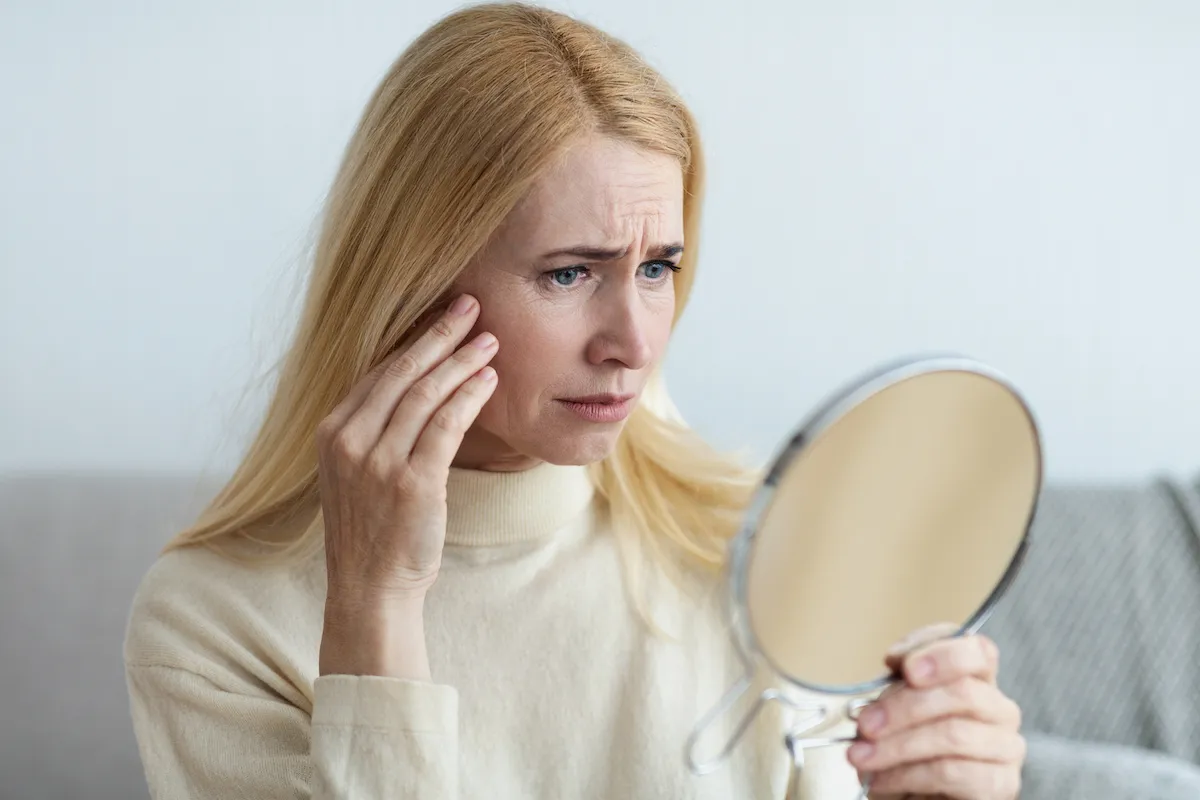
Ozempic face is a term used to describe the hollowed, sagging, or prematurely aged appearance that can occur in the face during rapid weight loss, especially when fat is lost quickly from areas like the cheeks, jawline, and under the eyes. It is often linked to the use of medications such as Ozempic, but it can happen with any form of fast weight reduction where facial fat decreases faster than the skin can adjust.
This change in appearance happens because facial fat plays an important role in giving the face its structure, fullness, and youthful look. When weight loss is too rapid, the body may not only lose body fat but also reduce the supportive fat pads in the face, making features appear more sunken or less defined.
In this article, we will explore what causes Ozempic face and why the face is often one of the first areas to show visible changes during weight loss.
What “Ozempic Face” Really Means
“Ozempic face” is a term used to describe the changes in facial appearance that some people notice after rapid weight loss, especially when using medications like Ozempic. It is not a medical diagnosis but rather a popular phrase used to explain how the face can look more hollow, saggy, or aged after losing a significant amount of fat in a short period of time.

This happens because fat in the face plays an important role in maintaining youthful volume and structure. When weight loss is fast, the fat pads in the cheeks, temples, and under the eyes can shrink quickly, making the skin appear looser and more sunken.
Recommended: What Happens If You Use Ozempic After 56 Days?
“The term “Ozempic face” has become widely used in discussions about rapid weight loss treatments, but it mainly highlights a cosmetic side effect rather than a health complication.
Why Fast Weight Loss Can Cause Ozempic Face
The face is often one of the first places where weight loss becomes noticeable because facial fat tends to respond quickly to calorie reduction and metabolic changes. As the body starts using stored fat for energy, areas such as the cheeks, jawline, and around the eyes may lose volume earlier than other parts of the body.
Compared to areas like the abdomen, hips, or thighs, the face naturally contains smaller fat reserves. Because of this, even moderate or rapid weight loss can create visible changes in facial appearance. A small reduction in facial fat can make the cheeks appear flatter and the eyes look more hollow.
Facial fat also plays an important role in supporting the skin and maintaining a youthful appearance. When weight is lost too quickly, the skin may not have enough time to adjust to the reduced fat underneath. This can result in loose skin, sagging, or more noticeable facial lines.
The skin depends on collagen and elastin to remain firm and flexible. During rapid weight loss, especially as people age, the body may struggle to maintain these important proteins. As a result, the face can appear thinner, less firm, and more aged after significant weight loss.
Facial changes are also more noticeable because the face is constantly visible in mirrors, photos, and daily interactions. Even subtle fat loss in the face can dramatically change a person’s appearance, making weight loss seem more obvious there before changes in other body areas become fully noticeable.
Recommended: Do I Need to Use GLP-1 Agonists for Weight Loss?
How to Lose Weight Fast Without Having Ozempic Face
Losing weight fast does not have to leave you looking tired, weak, or unhealthy. Many people associate rapid weight loss with a gaunt face, loose skin, dark eye circles, or an overall drained appearance because they lose weight too aggressively without properly supporting their body. The goal should be to burn excess fat while preserving muscle mass, hydration, skin elasticity, and essential nutrients that keep the body looking healthy.
1. Focus on Fat Loss, Not Just Weight Loss
Many crash diets cause the body to lose water weight and muscle before significant fat loss even occurs. This is one reason people may look “sick” after losing weight too quickly. Preserving muscle helps maintain healthy body shape, posture, and facial structure. Instead of chasing the smallest number on the scale, focus on reducing body fat while keeping your body strong and nourished.
2. Avoid Extremely Low Calorie Diets

Cutting calories too drastically can shock the body and speed up muscle and facial fat loss. While rapid results may seem appealing, severe calorie restriction often leads to dull skin, weakness, hair shedding, fatigue, and a hollow appearance. A moderate calorie deficit allows you to lose weight efficiently while still giving your body enough nutrients to function properly.
3. Eat Enough Protein Every Day
Protein is one of the most important nutrients during weight loss. It helps preserve muscle mass, supports collagen production, and keeps the skin firmer as body fat decreases. Foods like eggs, chicken, fish, beans, Greek yogurt, and tofu can help maintain a healthier appearance while dieting. Without enough protein, the body is more likely to break down muscle tissue, making weight loss look unhealthy rather than toned.
Recommended: Best Pineapple Detox Drink for Weight Loss
4. Include Healthy Fats in Your Meals
Healthy fats are essential for hormone balance, skin health, and maintaining natural facial fullness. Completely avoiding fats can leave the skin dry and make facial volume loss appear more severe. Foods such as avocados, nuts, olive oil, seeds, and fatty fish help support healthier skin and a more balanced appearance during weight loss.
5. Stay Hydrated to Maintain Skin Fullness
Dehydration can make the face look sunken and exaggerate fine lines and dark circles. Drinking enough water helps maintain skin elasticity and gives the skin a more vibrant appearance. Hydration also supports metabolism, digestion, and energy levels during weight loss.
6. Strength Training Helps Maintain a Healthy Appearance
Many people rely only on cardio when trying to lose weight fast, but too much cardio without resistance training can contribute to muscle loss. Strength training helps preserve lean muscle, improves body composition, and creates a firmer, healthier look. It also helps prevent the “skinny but weak” appearance that can happen with rapid weight loss.
7. Get Enough Vitamins and Nutrients
Vitamin deficiencies can quickly show up in your appearance. Lack of nutrients such as iron, vitamin C, vitamin D, zinc, and B vitamins may lead to pale skin, fatigue, brittle hair, or dark under eye circles. Eating a nutrient dense diet filled with fruits, vegetables, lean proteins, and whole foods helps the body stay healthy while losing weight.
8. Sleep and Stress Management Matter More Than People Think
Poor sleep and chronic stress increase cortisol levels, which can negatively affect skin health, energy, and fat distribution. Lack of rest may also make your face appear puffier, duller, or more tired. Getting quality sleep allows the body to recover and supports healthier weight loss overall.
9. Lose Weight at a Realistic Pace
Even when trying to slim down quickly, the safest and most sustainable results usually come from steady progress rather than extreme measures. Gradual fat loss gives the skin more time to adjust and reduces the chances of loose skin or dramatic facial changes.
Recommended: Best Time to Take Berberine for Weight Loss
10. Support Your Skin While Your Body Changes
As weight decreases, the skin also has to adapt. Daily sunscreen use, moisturizing, and skincare ingredients that support collagen can help maintain elasticity and improve how the skin responds during weight loss. Some people also use collagen rich foods or supplements as part of their routine.
Skincare Routine to Support Skin Tightness During Weight Loss

Supporting your skin during weight loss is important because the skin needs time to adjust as fat reduces. A consistent skincare routine can help improve elasticity, maintain hydration, and reduce the risk of having ozempic face.
- Gentle cleansing twice daily: Use a mild cleanser in the morning and at night to remove dirt, oil, and buildup without stripping the skin. Over-cleansing can dry out the skin, making it look tighter in an unhealthy way and less elastic over time.
- Hydration is the foundation: Apply a hydrating serum or moisturizer containing ingredients like hyaluronic acid or glycerin. These help the skin retain water, giving it a plumper and smoother appearance during rapid body changes.
- Use sunscreen every day: Sun exposure breaks down collagen and elastin, which are essential for skin firmness. Daily sunscreen helps protect the skin from premature aging and supports long-term tightness and resilience.
- Include retinoids or vitamin A derivatives: Retinoids help stimulate collagen production and speed up skin renewal. Over time, this can improve firmness and reduce the appearance of sagging caused by weight loss.
- Add vitamin C for collagen support: Vitamin C serums help brighten the skin and support collagen synthesis. This can improve skin structure and give a more even, healthy tone during weight loss.
- Moisturize to lock in hydration: A good moisturizer helps seal in moisture and strengthens the skin barrier. This is especially important when your body is changing quickly, as it helps reduce dryness and laxity.
- Do not over-exfoliate: Exfoliating too often can weaken the skin barrier and cause irritation. Stick to gentle exfoliation once or twice a week to maintain smoothness without damaging elasticity.
- Stay consistent with your routine: Skincare results take time. Consistency is what helps the skin gradually adapt and stay firm while your body composition changes.
Conclusion
Losing weight quickly does not have to mean looking unhealthy or drained. When weight loss happens in a controlled and balanced way, the body can adjust more smoothly, helping you maintain facial fullness, skin elasticity, and help avoid ozempic face.
The key is to focus on sustainable habits like proper nutrition, hydration, strength training, and good sleep rather than extreme restriction or crash dieting. These practices help ensure that most of the weight you lose comes from body fat, not muscle or facial volume.
Ultimately, the goal is not just to become lighter, but to become healthier and more confident in a way that still looks natural. With the right approach, you can achieve significant weight loss while maintaining a fresh, healthy appearance throughout the process.