
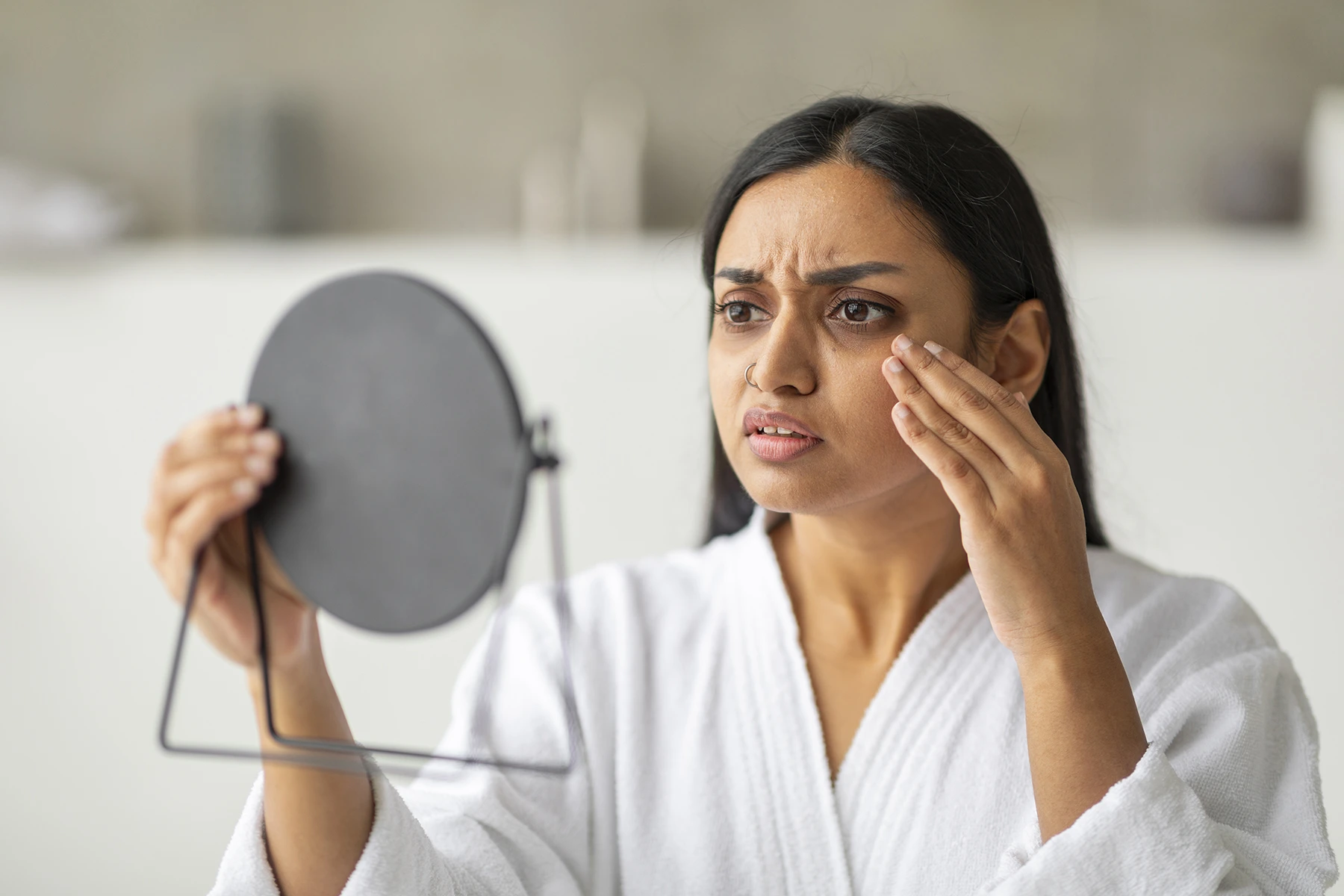
Ozempic face is a term used to describe the facial changes some people notice after rapid weight loss, often associated with medications like semaglutide or other GLP-1 treatments. These changes usually include loss of facial fat, which can make the cheeks appear hollow, the skin look looser, and the face seem more tired or aged than before. While the weight loss itself may be beneficial for overall health, the visible changes in the face can sometimes affect confidence and self-image.
This happens because the face contains natural fat pads that help maintain a youthful, full appearance. When weight is lost quickly, the body does not always reduce fat evenly, and the facial area can be one of the first places where volume is lost. Factors such as age, skin elasticity, hydration levels, and overall nutrition can also influence how noticeable these changes become.
Here, we will explore what causes Ozempic Face in more detail, whether it can be reversed naturally, the best ways to restore facial fullness without invasive procedures, and practical solutions that can help improve skin elasticity and support a healthier, more balanced appearance.
What Is “Ozempic Face”?
Ozempic Face is a term used to describe the visible facial changes that can occur after significant or rapid weight loss, often associated with the use of the medication Ozempic. It is not a medical condition, but rather a popular description of how the face may look when it loses fat quickly.

This typically shows up as reduced facial volume, especially in the cheeks and temples, leading to a hollow or sunken appearance. The skin may also look looser or less firm because it no longer has the same underlying fat support that previously kept it smooth and plump. These changes can make a person appear older or more tired than before the weight loss.
Recommended: How to Prevent ‘Ozempic Face’ While Losing Weight Fast
In simple terms, Ozempic Face is the result of the face losing fat faster than the skin can adjust. It is most noticeable in people who experience fast or substantial weight loss, regardless of whether it comes from medication, dieting, or other lifestyle changes.
Why Weight Loss Affects the Face First
When the body begins to lose weight, it does not reduce fat evenly from all areas. Some regions, especially the face, tend to show changes earlier because they naturally have smaller fat stores. The face also contains distinct fat compartments that help maintain smooth contours and a youthful appearance, so even a small reduction in volume can become noticeable quickly.
Facial fat is also more sensitive to calorie deficits compared to fat stored in areas like the hips, thighs, or abdomen. When the body needs energy, it draws from different fat reserves at different rates. Because facial fat is relatively limited, it can appear to reduce faster, leading to early signs such as hollow cheeks or more prominent bone structure.
Another important factor is skin elasticity. When weight loss happens gradually, the skin has more time to adjust to the new facial structure. However, with rapid weight loss, the fat beneath the skin reduces faster than the skin can tighten, which can make the face appear saggy or less firm.
Finally, age, hydration, and nutrition also influence how the face responds to weight loss. Younger skin with good elasticity tends to bounce back more easily, while older skin or skin lacking proper nutrients may show more pronounced changes. This combination of factors is why the face is often one of the first places where weight loss becomes visibly noticeable.
Is Ozempic Face Permanent?
Ozempic Face is not considered permanent in most cases. The term refers to facial changes like reduced volume, hollow cheeks, and looser skin that can occur after rapid weight loss linked to medications such as Ozempic. These changes are mainly due to fat loss in the face rather than any permanent damage to the skin or facial structure.
For many people, the appearance of the face can improve over time once weight stabilizes. When the body is no longer losing weight quickly, the skin and underlying tissues often begin to adjust gradually. Factors like good nutrition, proper hydration, and overall healthy living can also support skin recovery and help restore some facial fullness naturally.
Recommended: Do I Need to Use GLP-1 Agonists for Weight Loss?
However, the extent of improvement depends on age, genetics, and how fast and how much weight was lost. Younger individuals with better skin elasticity tend to recover more easily, while more significant or rapid weight loss may lead to longer-lasting hollowing. Even so, natural improvements are still possible in many cases with consistent care and time.
How to Fix Ozempic Face Naturally
Ozempic Face refers to facial volume loss and a more hollow appearance that can happen after rapid weight loss linked to Ozempic. While you cannot directly “regrow” fat only in the face, there are natural ways to improve skin fullness, elasticity, and overall facial appearance over time.
1. Stabilize Your Weight

The first step is to stop rapid weight loss and allow your body to reach a stable, healthy weight. When weight continues to drop quickly, the face often looks more sunken because fat loss is happening faster than the skin can adjust. Stabilizing your weight gives your body time to redistribute fat naturally and reduces further facial hollowing.
2. Eat a Nutrient-Dense, Balanced Diet
Your skin and facial tissues need proper nutrition to recover. Focus on foods rich in protein (eggs, fish, chicken, beans), healthy fats (avocado, nuts, olive oil), and complex carbohydrates (whole grains, vegetables). Protein helps repair skin structure, while healthy fats support softness and plumpness in the skin. Undereating or skipping meals can make facial volume loss more noticeable.
3. Boost Collagen Production Naturally
Collagen is what keeps the skin firm and youthful. You can support it by eating vitamin C-rich foods like oranges, pineapple, peppers, and leafy greens. These help your body produce collagen more effectively. Bone broth, soy products, and adequate protein intake also support skin rebuilding over time, improving elasticity and reducing sagging.
Recommended: Is Pomegranate Good for Weight Loss?
4. Stay Well Hydrated Daily
Dehydration can make the face look more sunken than it actually is. Drinking enough water throughout the day helps keep the skin hydrated and improves its texture. Adding electrolytes or eating water-rich foods like cucumbers and watermelon can also support better skin hydration and a more refreshed appearance.
5. Do Facial Exercises Regularly
Facial exercises cannot replace lost fat, but they can help tone the underlying muscles and improve circulation. Movements like cheek lifts, smiling exercises, and gentle jawline tightening can slightly improve firmness over time. Consistency is important, but results are usually subtle and gradual.
6. Improve Your Skincare Routine
Using hydrating and skin-repairing products can improve how your skin looks and feels. Ingredients like hyaluronic acid, peptides, and gentle retinol can support skin elasticity and smoothness. Daily sunscreen use is also important because sun damage can worsen skin thinning and aging appearance.
7. Prioritize Sleep and Stress Control
Poor sleep and chronic stress can accelerate skin aging and reduce your body’s ability to repair itself. Getting 7 to 9 hours of sleep helps skin regeneration, while stress management techniques like walking, meditation, or relaxation exercises can reduce cortisol levels that negatively affect skin health.
8. Give it Time and Avoid Extreme Dieting
Natural recovery from facial fat loss is slow. The body needs consistent nutrition, stable weight, and time to adjust. Avoid crash diets or extreme calorie deficits, as they often worsen facial hollowing. With patience and healthy habits, many people notice gradual improvement in facial fullness and skin quality.
How to Prevent Ozempic Face During Weight Loss
Preventing Ozempic Face focuses on reducing rapid facial fat loss and supporting skin elasticity while losing weight in a healthy, controlled way. This is especially relevant for people using medications like Ozempic or anyone on a fast weight loss journey. The goal is not just losing weight, but maintaining balance so the face does not lose volume too quickly.
1. Lose Weight Gradually, not Rapidly
One of the biggest causes of facial hollowing is fast weight loss. When weight drops too quickly, the body pulls from fat stores faster than the skin can adjust. A slower, steady approach gives your face time to adapt and reduces the risk of looking sunken or aged. Consistent, moderate calorie reduction is safer than extreme dieting.
Recommended: Is Poached Egg on Toast Good for Weight Loss?
2. Prioritize Protein and Healthy Fats in Your Diet

Protein supports skin structure, while healthy fats help maintain softness and facial fullness. Foods like eggs, fish, chicken, beans, nuts, seeds, avocado, and olive oil help the body preserve skin quality during weight loss. Without enough nutrients, the face can lose volume and elasticity more easily.
3. Stay Hydrated and Support Skin Elasticity
Water plays a major role in how full and healthy the skin looks. Dehydration can make the face appear more hollow than it actually is. Drinking enough water daily, along with eating water-rich foods like fruits and vegetables, helps maintain skin plumpness and supports better elasticity during weight loss.
4. Include Strength Training in Your Routine
Strength training helps preserve lean muscle mass while losing fat. This is important because it encourages the body to burn fat more evenly and prevents extreme loss of overall body volume. A balanced body composition can reduce the harsh facial changes sometimes seen with rapid fat loss.
5. Avoid Crash Diets and Extreme Calorie Restriction
Very low-calorie diets increase the risk of losing fat too quickly, including in the face. They can also reduce collagen production and slow down skin repair. A sustainable eating plan is more effective for maintaining both health and a natural facial appearance.
Recommended: Is Barre Blend Good for Weight Loss?
6. Support Skin Health with Sleep and Stress Control
Sleep is when the body repairs skin and tissues, while chronic stress can accelerate aging and worsen facial hollowing. Getting enough rest and managing stress through simple habits like walking, relaxation, or breathing exercises helps protect your skin during weight loss.
Conclusion
Ozempic Face is a visible change in facial appearance that can happen after rapid or significant weight loss, including weight loss associated with Ozempic. Ozempic face is mainly caused by the loss of facial fat combined with the skin not adjusting quickly enough to reduced volume, which can create a hollowed or aged look.
The good news is that in most cases, ozempic face is not permanent. With time, the body can stabilize, and the face may gradually improve as nutrition, hydration, and overall health support skin recovery. The degree of improvement depends on factors like age, genetics, and how quickly the weight was lost.
Overall, the best approach is prevention through slow, steady weight loss and proper lifestyle habits. Supporting the body with balanced nutrition, good skincare, hydration, and rest can help maintain a healthier and more natural facial appearance throughout the weight loss journey.