
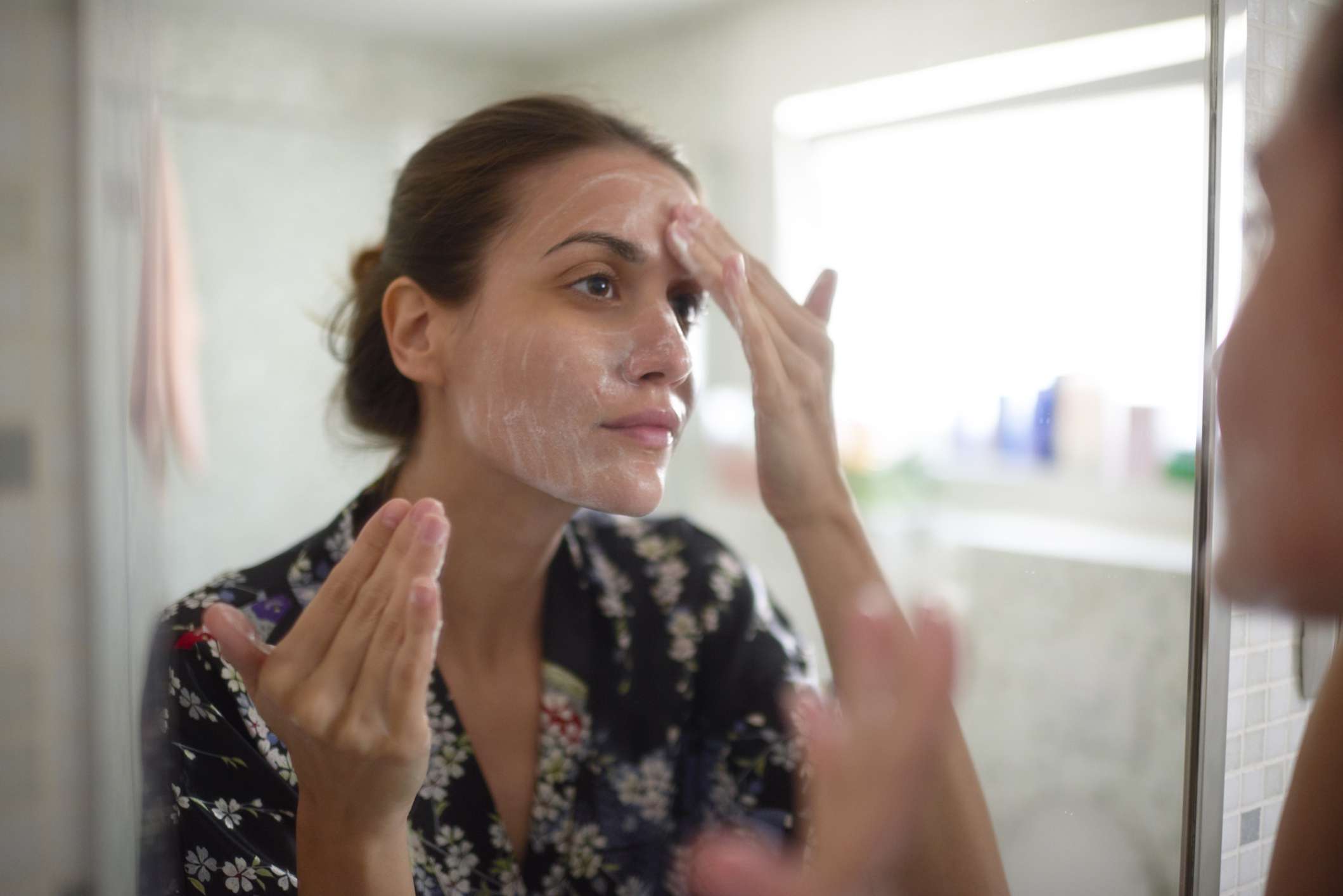
Dull skin is a common concern that many people experience, even after following a consistent skincare routine. You may be cleansing, moisturizing, exfoliating, and applying serums every day, yet your complexion still appears tired, uneven, or lacking its natural glow. This can be frustrating, especially when you have invested time and money into products that promise brighter, healthier-looking skin.
The truth is that achieving radiant skin depends on more than simply using skincare products. Factors such as your skin type, lifestyle, diet, hydration, sun exposure, and even underlying health conditions can all influence how vibrant your skin looks. In some cases, the products you are using may not be suitable for your skin’s needs, or your routine may be missing essential steps that support a healthy skin barrier.
In this article, we will explain why your skin may look dull despite having a skincare routine, explore the most common causes of dull skin, discuss the ingredients and habits that can help restore your natural glow, and share practical tips for building a skincare routine that delivers healthier, brighter-looking skin.
What Is Dull Skin?
Dull skin refers to skin that lacks its natural brightness, radiance, and healthy glow. Instead of appearing smooth, fresh, and vibrant, dull skin often looks tired, rough, uneven, or lifeless. While dull skin is not a medical condition, it is usually a sign that your skin is not functioning at its best or that certain internal or external factors are affecting its appearance.

Healthy skin naturally reflects light because its surface is smooth, well hydrated, and regularly renewed through the skin’s natural cell turnover process. When dead skin cells accumulate, the skin becomes dehydrated, or the skin barrier is compromised, the complexion can lose its luminosity and appear dull.
Recommended: Benefits of Silk Pillowcase for Acne-Prone Skin
Dull skin can affect people of all skin types, including oily, dry, combination, and sensitive skin. It may develop gradually due to aging, environmental exposure, poor skincare habits, or lifestyle factors such as inadequate sleep, stress, and an unbalanced diet. Identifying the underlying cause is the first step toward restoring a brighter, healthier complexion.
Reasons Your Skin Looks Dull Despite Having a Skincare Routine
1. You Are Using the Wrong Products for Your Skin Type
Using products that are not formulated for your skin type can prevent you from seeing the results you expect. For example, heavy creams may clog oily skin, while lightweight gels may not provide enough moisture for dry skin. Understanding whether you have oily, dry, combination, or sensitive skin helps you choose products that address your skin’s specific needs.
2. Dead Skin Cells Are Building Up
Your skin naturally sheds dead cells, but this process slows with age and other factors. When dead skin cells accumulate on the surface, they create a rough texture and block light from reflecting evenly, making your complexion appear dull. Regular exfoliation with gentle chemical or physical exfoliants can help reveal fresher, brighter skin.
3. Your Skin Is Dehydrated
Dehydrated skin lacks water, regardless of whether your skin is oily or dry. When the skin is dehydrated, it often looks tight, rough, and tired. Using hydrating ingredients such as hyaluronic acid and glycerin, along with drinking enough water, can help improve your skin’s appearance.
4. You Are Skipping Sunscreen
Daily sun exposure can damage the skin, even on cloudy days or while indoors near windows. Ultraviolet rays contribute to uneven skin tone, pigmentation, and a rough skin texture that makes the skin appear dull over time. Applying a broad spectrum sunscreen every morning helps protect your skin and preserve its natural radiance.
5. Your Skin Barrier Is Damaged
The skin barrier protects against moisture loss and harmful environmental factors. Overusing active ingredients, harsh cleansers, or exfoliants can weaken this protective barrier. A damaged skin barrier often leads to dryness, irritation, redness, and a lackluster complexion. Barrier-repairing ingredients such as ceramides and niacinamide can help restore healthy skin.
Recommended: Does Zepbound Help With Acne?
6. You Are Over Exfoliating
While exfoliation removes dead skin cells, doing it too often can strip away the skin’s protective barrier. This can cause irritation, inflammation, and increased sensitivity, leaving your skin looking dull instead of glowing. Most people only need to exfoliate one to three times per week, depending on their skin type.
7. Your Routine Is Too Complicated
Using too many skincare products at once may overwhelm your skin and increase the risk of irritation. Some ingredients can also reduce each other’s effectiveness or cause unwanted reactions when combined. A simple routine with products that work well together is often more effective than using numerous treatments.
8. You Are Not Giving Products Enough Time to Work
Many skincare ingredients require several weeks or even months to produce noticeable results. Frequently switching products because you do not see immediate improvements can prevent your skin from benefiting fully. Consistency and patience are essential for achieving healthier-looking skin.

9. Your Lifestyle Habits Are Affecting Your Skin
Poor sleep, chronic stress, smoking, excessive alcohol consumption, and an unhealthy diet can all contribute to dull skin. These factors reduce your skin’s ability to repair itself and may slow cell turnover, making your complexion appear tired and uneven. Healthy lifestyle choices support better skin from within.
Recommended: Best Body Wash That Doesn’t Leave Soap Scum
10. You Are Not Cleansing Your Skin Properly
Failing to remove makeup, sunscreen, excess oil, and dirt completely can leave residue on the skin that contributes to a dull appearance. Cleansing your face thoroughly at the end of the day helps keep pores clear and allows your skincare products to work more effectively.
Tips That Can Help Reduce Skin Dullness
Although dull skin can be frustrating, it is often possible to restore your skin’s natural radiance with the right approach. Making a few changes to your skincare routine and adopting healthy lifestyle habits can significantly improve your complexion over time. Here are some practical tips that can help reduce skin dullness and promote healthier, brighter-looking skin.
- Follow a Skincare Routine That Suits Your Skin Type: Choose skincare products based on your skin’s specific needs rather than popular trends. A routine tailored to your skin type is more likely to improve hydration, balance oil production, and promote a healthier complexion.
- Exfoliate Regularly but Gently: Removing dead skin cells helps reveal brighter, smoother skin underneath. Use a gentle exfoliant one to three times a week, depending on your skin type, and avoid scrubbing too hard, as this can damage the skin barrier.
- Moisturize Every Day: Keeping your skin well moisturized helps maintain a smooth surface that reflects light more evenly. Look for moisturizers containing ingredients such as hyaluronic acid, glycerin, ceramides, or squalane to lock in moisture.
- Never Skip Sunscreen: Apply a broad spectrum sunscreen with at least SPF 30 every morning, even on cloudy days. Protecting your skin from ultraviolet damage helps prevent uneven skin tone, dark spots, and premature aging that can contribute to dullness.
- Stay Hydrated: Drink enough water throughout the day to support healthy skin function. While hydration alone will not solve dull skin, it helps maintain skin elasticity and supports an overall healthy complexion.
- Eat a Nutrient Rich Diet: Include plenty of fruits, vegetables, whole grains, healthy fats, and lean proteins in your meals. Foods rich in vitamins A, C, E, omega 3 fatty acids, and antioxidants help nourish your skin from within.
- Get Enough Sleep: Aim for seven to nine hours of quality sleep each night. During sleep, your skin repairs itself and produces new cells, making adequate rest essential for maintaining a fresh, radiant appearance.
- Manage Stress: Chronic stress can affect hormone levels and trigger inflammation that impacts your skin. Activities such as regular exercise, meditation, deep breathing, or spending time on hobbies can help reduce stress and support healthier skin.
- Keep Your Skin Barrier Healthy: Avoid overusing harsh cleansers, strong exfoliants, or multiple active ingredients at the same time. Instead, focus on gentle cleansing and products that strengthen the skin barrier to help your skin retain moisture and maintain its natural glow.
- Keep Your Makeup Tools and Pillowcases Clean: Dirty makeup brushes, sponges, and pillowcases can collect oil, bacteria, and dead skin cells that may contribute to skin problems. Wash your makeup tools regularly and change your pillowcases at least once a week.
Recommended: Can You Use Dove Bubble Bath as Body Wash?
How Long Does It Take to See Brighter Skin?

The time it takes to see brighter, healthier-looking skin depends on the underlying cause of your dullness, the products you are using, and how consistent you are with your skincare routine. While some people notice small improvements within a few weeks, significant changes often require patience and regular care.
If dullness is caused by dehydration or a weakened skin barrier, your skin may begin to look healthier within one to two weeks after using hydrating and barrier-repairing products. However, if dead skin cell buildup, sun damage, hyperpigmentation, or slow skin cell turnover are the main causes, visible improvements may take four to twelve weeks or longer.
To achieve the best results, follow your skincare routine consistently, wear sunscreen every day, stay hydrated, eat a balanced diet, and get enough sleep. If your skin remains dull after several months of proper skincare or is accompanied by other symptoms such as severe dryness, unusual pigmentation, or persistent fatigue, consult a dermatologist or healthcare provider to identify any underlying causes.
Conclusion
Dull skin is not always a sign that your skincare routine is ineffective. In many cases, it results from factors such as using unsuitable products, dehydration, dead skin cell buildup, sun exposure, an impaired skin barrier, or unhealthy lifestyle habits. Identifying the underlying cause is the key to restoring your skin’s natural glow.
Achieving brighter skin requires more than applying skincare products. Following a routine that matches your skin type, using effective ingredients consistently, protecting your skin from the sun, staying hydrated, eating a balanced diet, and getting enough sleep all play an important role in maintaining a healthy complexion.
If your skin continues to look dull despite making these changes, it is advisable to consult a dermatologist. They can determine whether an underlying skin or medical condition is contributing to the problem and recommend the most appropriate treatment. With patience, consistency, and the right approach, you can improve your skin’s appearance and enjoy a healthier, more radiant complexion.