
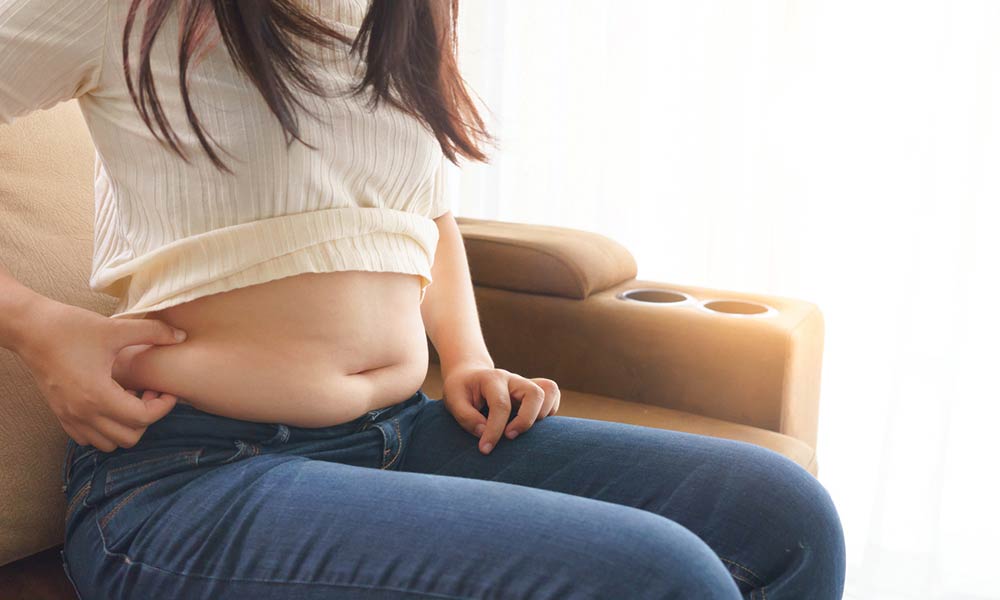
Bloating is a common digestive symptom that causes your abdomen to feel full, tight, or swollen. Although many people expect the discomfort to go away after having a bowel movement, it is not unusual for the bloated feeling to persist. This can be frustrating, especially if you feel like you have already emptied your bowels.
Feeling bloated after pooping does not always mean there is a serious health problem. In some cases, trapped gas, slow digestion, or certain foods can continue to cause abdominal fullness even after your bowel has been emptied. Temporary bloating is common and often improves on its own.
However, persistent bloating may be linked to conditions such as constipation, irritable bowel syndrome, food intolerances, or other digestive disorders. Paying attention to your symptoms and how often they occur can help identify the underlying cause and determine whether medical evaluation is needed.
In this article, we will explain why you may feel bloated even after having a bowel movement, discuss the most common causes, highlight symptoms that may require medical attention, and share practical tips to help relieve and prevent persistent bloating.
What Does Bloating Feel Like?
Bloating is a sensation of fullness, tightness, or pressure in the abdomen that can make your stomach feel larger than usual. It may occur after eating, during digestion, or even after having a bowel movement. While some people experience mild discomfort, others may find the feeling painful or severe enough to interfere with daily activities.

The sensation of bloating varies from person to person. Some people notice that their abdomen feels stretched or swollen, while others experience frequent burping, excessive gas, or rumbling sounds from the stomach. In some cases, the abdomen may appear visibly distended, making clothing feel tighter than normal.
Recommended: Why Do I Feel Sick Every Time I Eat But Not Vomit?
Common symptoms of bloating include:
- A feeling of fullness or heaviness in the abdomen
- A tight or swollen stomach
- Visible abdominal swelling or distension
- Excessive gas or frequent passing of gas
- Frequent burping
- Mild to moderate abdominal discomfort or cramping
- A sensation of pressure in the stomach
- Rumbling or gurgling sounds from the intestines
- Feeling full quickly after eating
- A sensation that you still need to have a bowel movement
Although occasional bloating is common and often resolves on its own, persistent or severe bloating, especially when accompanied by symptoms such as severe abdominal pain, vomiting, blood in the stool, unexplained weight loss, or ongoing changes in bowel habits, should be evaluated by a healthcare provider.
Why You May Still Feel Bloated After a Bowel Movement
Having a bowel movement does not always eliminate the cause of bloating. While passing stool may relieve pressure caused by constipation, other factors can continue to make your abdomen feel full, tight, or swollen. In many cases, the bloated feeling is caused by trapped gas, digestive issues, or underlying medical conditions rather than the stool itself.
1. Trapped Gas
Gas can become trapped in your digestive tract even after you have emptied your bowels. This trapped gas stretches the intestines, creating a feeling of fullness, pressure, or abdominal discomfort. Swallowing air while eating, drinking carbonated beverages, or consuming gas-producing foods can all contribute to this problem.
2. Incomplete Bowel Emptying
Sometimes, you may not completely empty your rectum during a bowel movement. This is known as incomplete evacuation. It can leave you feeling like there is still stool inside, along with persistent bloating, pressure, and the urge to use the bathroom again.
3. Constipation
Constipation is one of the leading causes of bloating. Even if you pass some stool, hardened stool may remain in the colon, slowing digestion and allowing gas to build up. This can cause bloating to continue until the bowel is fully emptied.
Recommended: What Is The Best Way To Prevent Poor Food Safety?
4. Irritable Bowel Syndrome (IBS)
People with irritable bowel syndrome often experience bloating before and after bowel movements. IBS affects how the intestines contract and process food, making bloating, abdominal pain, constipation, diarrhea, or a combination of these symptoms common.
5. Food Intolerances

Certain foods can trigger bloating even after you have pooped. Lactose intolerance, gluten sensitivity, and difficulty digesting certain carbohydrates known as FODMAPs can lead to excess gas production, leaving you bloated for several hours after eating.
6. Small Intestinal Bacterial Overgrowth (SIBO)
SIBO occurs when too many bacteria grow in the small intestine. These bacteria ferment food before it is fully digested, producing excess gas that can cause ongoing bloating, abdominal discomfort, and changes in bowel habits.
7. Slow Digestion
When food moves slowly through the digestive tract, gas has more time to accumulate. Conditions that slow stomach emptying or intestinal movement can leave you feeling bloated long after a bowel movement.
8. Hormonal Changes
Hormonal fluctuations, especially during the menstrual cycle, can affect digestion and cause the body to retain more fluid. Many women notice increased bloating before or during their periods, even if they are having regular bowel movements.
9. Stress and Anxiety
Your digestive system is closely connected to your brain. Stress and anxiety can alter normal digestion, increase sensitivity to gas, and slow bowel function, making bloating persist even after using the toilet.
Recommended: What Foods Heal The Gallbladder?
10. Pelvic Floor Dysfunction
The muscles of the pelvic floor help coordinate bowel movements. If these muscles do not relax properly, it can become difficult to completely empty the bowels. This may result in ongoing bloating, discomfort, and the sensation that you still need to pass stool.
Foods That Can Make You Feel Bloated Even After Pooping
The foods you eat can contribute to bloating even after you’ve had a bowel movement. Some foods are harder to digest, while others produce more gas as they are broken down by bacteria in the intestines. As a result, you may continue to feel full, tight, or swollen despite emptying your bowels.
- Beans and Legumes: Rich in fiber and complex carbohydrates that produce gas during digestion.
- Cruciferous Vegetables: Broccoli, cabbage, and cauliflower can increase gas because they are difficult for some people to digest.
- Dairy Products: Milk, cheese, and other dairy foods can cause bloating in people with lactose intolerance.
- Carbonated Drinks: Fizzy beverages introduce extra gas into the digestive tract, leading to bloating.
- High Fat and Fried Foods: These foods digest slowly, making you feel full and bloated for longer.
- Artificial Sweeteners: Sugar alcohols like sorbitol and xylitol can ferment in the intestines and produce gas.
- Whole Grains: A sudden increase in fiber from whole grains may cause temporary bloating and gas.
- Onions and Garlic: They contain fructans, which can trigger bloating in sensitive individuals.
- Salty Foods:Excess sodium causes the body to retain water, making your abdomen feel swollen.
- Chewing Gum and Hard Candy: They can cause you to swallow extra air, which may lead to bloating.
Recommended: Does GLP-1 Therapy Work for Food Noise, Not Weight Loss?
How to Relieve Bloating After a Bowel Movement

If you still feel bloated after having a bowel movement, several simple lifestyle changes can help ease the discomfort and improve digestion. The following tips may provide relief, especially if your bloating is occasional and not caused by an underlying medical condition.
- Take a short walk: Walking for 10 to 15 minutes can help stimulate digestion and encourage trapped gas to pass.
- Drink plenty of water: Staying hydrated supports healthy digestion and helps prevent constipation, which can contribute to bloating.
- Eat slowly: Eating at a slower pace reduces the amount of air you swallow, lowering your risk of gas and bloating.
- Avoid trigger foods: Limiting foods that regularly cause bloating, such as beans, dairy, or carbonated drinks, may reduce symptoms.
- Increase fiber gradually: Adding fiber to your diet slowly helps promote regular bowel movements without causing excess gas.
- Try probiotics: Probiotics may help balance the bacteria in your gut and reduce bloating in some people.
- Massage your abdomen: Gently massaging your stomach can help move trapped gas through the digestive tract.
- Apply a warm compress: Heat can relax your abdominal muscles and relieve bloating-related discomfort.
- Limit carbonated beverages: Replacing fizzy drinks with water or herbal tea can help reduce excess gas.
- Manage stress: Practicing relaxation techniques such as deep breathing or meditation may improve digestion and reduce bloating.
General Conclusion
Feeling bloated even after having a bowel movement can be uncomfortable, but it is often caused by factors such as trapped gas, constipation, food intolerances, slow digestion, or digestive disorders rather than the bowel movement itself. In many cases, simple lifestyle changes, including staying hydrated, eating a balanced diet, avoiding trigger foods, and exercising regularly, can help reduce bloating and improve digestive health.
However, if your bloating is severe, persistent, or accompanied by symptoms such as severe abdominal pain, unexplained weight loss, blood in your stool, or ongoing changes in bowel habits, it is important to seek medical attention. Identifying and treating the underlying cause can help provide lasting relief and prevent potential complications.