
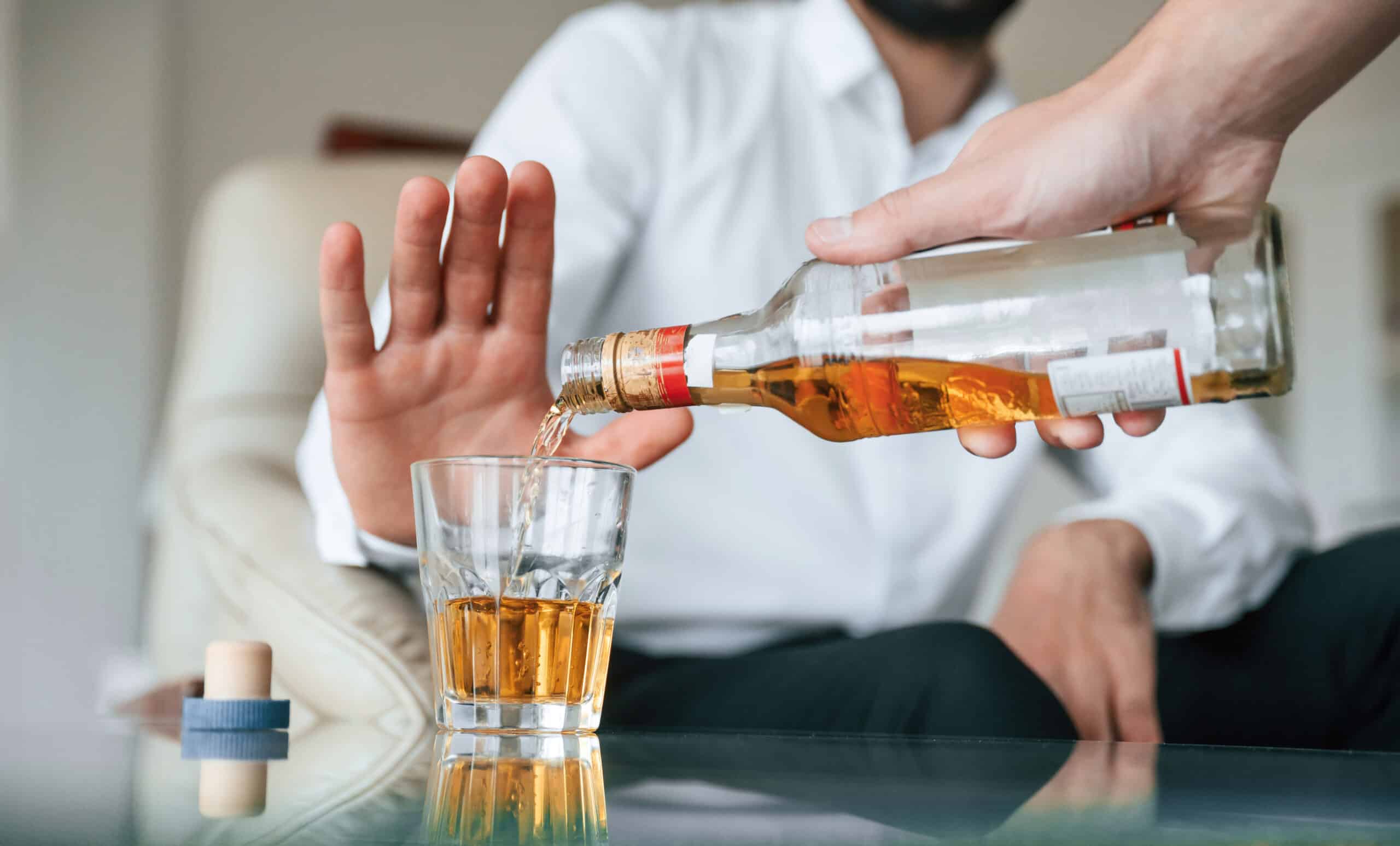
Zepbound is a prescription medication used for weight management that works by influencing hormones responsible for appetite control, digestion, and blood sugar regulation. As more people begin treatment, there is growing curiosity about how everyday habits, especially alcohol consumption, may interact with the medication and affect its performance in the body.
Alcohol is commonly consumed socially, but it can have complex effects on metabolism, hydration, blood sugar levels, and the digestive system. For individuals using Zepbound, these effects may become more noticeable or potentially interfere with how the medication helps regulate appetite and support weight loss goals.
In this article, we will explore whether alcohol affects Zepbound, how it may influence the medication’s effectiveness, and the possible impact on side effects and weight loss progress.
How Does Zepound Work?

Zepbound works by targeting two important hormone receptors in the body called GLP-1 and GIP. These hormones naturally help regulate appetite, blood sugar levels, and how the body processes food. By mimicking their effects, Zepbound helps the brain receive stronger “fullness” signals after eating.
Recommended: Does It Matter Where I Inject Zepbound?
One of the main ways it works is by reducing appetite and cravings. It slows down how quickly food leaves the stomach, which helps you feel full for longer after meals. This leads to lower food intake over time, which supports weight loss in a gradual and controlled way.
Zepbound also plays a role in blood sugar regulation. It helps the body release insulin more effectively when needed and reduces excessive glucose production in the liver. This balance helps prevent sharp spikes and drops in blood sugar, which can also reduce hunger and energy crashes.
Overall, Zepbound supports weight loss by combining appetite control, improved satiety, and better metabolic regulation. These effects work together to help users reduce calorie intake naturally while also improving how the body handles food and energy.
What Happens When You Mix Alcohol with Zepbound?
When alcohol is mixed with Zepbound, it can affect how your body responds to both the medication and the alcohol itself. Zepbound works by slowing digestion and reducing appetite, while alcohol impacts the central nervous system and can also irritate the digestive tract, creating overlapping effects that may feel uncomfortable for some users.
One of the most common outcomes is an increase in gastrointestinal side effects. Because Zepbound already slows how quickly food leaves the stomach, adding alcohol can worsen symptoms like nausea, bloating, acid reflux, and stomach discomfort. This combination may make you feel fuller faster, but not always in a comfortable way.
Alcohol can also contribute to dizziness, fatigue, and dehydration, which may feel more pronounced when taking Zepbound. Since both alcohol and the medication can affect energy levels and fluid balance, combining them may increase the likelihood of feeling weak or lightheaded, especially if alcohol is consumed on an empty stomach.
Recommended: Does Zepbound Help With Acne?
Overall, while not everyone will react the same way, mixing alcohol with Zepbound may intensify side effects and reduce comfort during treatment. For this reason, many healthcare providers recommend limiting alcohol intake and paying close attention to how your body responds if you choose to drink occasionally.
Does Alcohol Reduce Zepbound’s Effectiveness?
Yes, alcohol can reduce the overall effectiveness of Zepbound in practice, even though it does not directly cancel how the medication works in the body. Zepbound is designed to support weight loss by reducing appetite, slowing digestion, and improving metabolic control, but alcohol can interfere with the habits and physiological balance needed to get the best results.

One of the main ways alcohol affects outcomes is through increased calorie intake. Even if Zepbound reduces hunger, alcohol can lower inhibitions and lead to overeating or choosing high-calorie foods. This can slow down weight loss progress and make it harder to stay in a calorie deficit.
Alcohol can also disrupt blood sugar stability and energy levels, which are important for appetite regulation. When blood sugar fluctuates, it may trigger cravings, fatigue, or irregular eating patterns, which can counteract some of the benefits Zepbound provides for metabolic control.
Overall, while alcohol does not stop Zepbound from working biologically, it can reduce its effectiveness by interfering with appetite control, nutrition choices, and consistent weight loss behavior. For better results, limiting alcohol is generally recommended.
Recommended: Why Am I Still Hungry on 5mg of Tirzepatide?
Side Effects of Mixing Alcohol with Zepbound
When alcohol is consumed while using Zepbound, it can intensify side effects because both affect digestion, hydration, and metabolism. The interaction is not usually dangerous for everyone, but it can make the treatment experience more uncomfortable and unpredictable.
1. Nausea and Vomiting
Zepbound slows gastric emptying, meaning food and drinks stay in your stomach longer. Alcohol irritates the stomach lining and increases acid production. When combined, this can lead to stronger nausea, a heavy or “stuck” feeling in the stomach, and sometimes vomiting, especially if alcohol is taken quickly or in larger amounts. Fatty or spicy meals with alcohol may worsen this effect.
2. Dizziness, Headache, and Lightheadedness
Alcohol depresses the central nervous system and can lower blood pressure, while Zepbound may reduce overall calorie intake, which can sometimes leave you with lower energy reserves. This combination can cause dizziness, headaches, or feeling faint, particularly when standing up too fast or drinking without adequate food intake.
3. Dehydration and Fatigue
Alcohol is a diuretic, meaning it increases fluid loss through urine. At the same time, Zepbound may reduce appetite and fluid intake because you feel full faster. This combination can lead to dehydration symptoms such as dry mouth, fatigue, reduced concentration, and muscle weakness. In some cases, it may also worsen hangover intensity the next day.
4. Blood Sugar Instability
Alcohol can cause both sudden drops and delayed spikes in blood sugar depending on how much is consumed and whether food is taken. Since Zepbound helps regulate insulin response and glucose levels, combining the two can sometimes lead to unpredictable blood sugar changes, especially in people who are already insulin sensitive or have metabolic conditions.
Recommended: How Many Days Without a Bowel Movement Is Dangerous?
5. Increased Heart Rate and Discomfort
Some people may notice palpitations or a slightly increased heart rate when combining alcohol with Zepbound. This can be due to dehydration, blood sugar changes, or the body working harder to process both substances at the same time. It may also come with general discomfort or restlessness.
6. Worsened Hangover Symptoms
Because Zepbound slows digestion, alcohol may stay in the system longer than expected. This can lead to more intense hangover symptoms such as nausea, fatigue, brain fog, and sensitivity to light or sound the next day.
Overall, while not everyone experiences severe reactions, combining alcohol with Zepbound can increase the intensity of side effects and make recovery slower, which is why most healthcare providers recommend limiting alcohol intake during treatment.
Safe Drinking Guidelines While on Zepbound

When using Zepbound, there is no officially established “safe” alcohol limit specifically designed for the medication. However, healthcare providers often suggest cautious and minimal drinking because alcohol can worsen side effects like nausea, dizziness, and dehydration.
Recommended: How to Prevent ‘Ozempic Face’ While Losing Weight Fast
- Drink in very small amounts, if at all: If you choose to drink, keep it to one standard drink or less. A standard drink is typically one small glass of wine, one bottle of beer, or one shot of spirits. Larger or repeated drinks increase the risk of side effects and poor tolerance.
- Avoid drinking on an empty stomach: Always eat a balanced meal before drinking. Since Zepbound already slows digestion and reduces appetite, drinking without food can increase nausea, dizziness, and blood sugar fluctuations.
- Stay well hydrated before, during, and after alcohol: Alcohol and Zepbound both contribute to dehydration. Drinking water between alcoholic beverages and increasing fluid intake before bedtime can help reduce fatigue, headaches, and next-day discomfort.
- Avoid binge drinking completely: Heavy or rapid drinking significantly increases the risk of severe nausea, vomiting, dizziness, and blood sugar instability. It can also make side effects from Zepbound much harder to tolerate.
- Pay attention to how your body reacts: Everyone responds differently. If even small amounts of alcohol cause strong side effects like nausea, weakness, or heart palpitations, it is safer to avoid alcohol entirely while on treatment.
- Be extra cautious if you have other health conditions: People with diabetes, gastrointestinal issues, or a history of alcohol sensitivity should be especially careful. Alcohol can complicate blood sugar control and worsen digestive discomfort while on Zepbound.
Conclusion
Dysport and Xeomin are both effective injectable treatments used to reduce the appearance of facial wrinkles by relaxing the muscles responsible for expression lines. Although they work in similar ways, they differ in formulation, spread, onset, and how individuals respond to them. Dysport is often chosen for its slightly faster results and ability to cover larger areas smoothly, while Xeomin is preferred for its purified formula and more precise, targeted effect.
In the end, neither option is universally better than the other. The best choice depends on your individual facial structure, treatment goals, and how your body reacts to neuromodulators. A qualified healthcare provider can assess your needs and recommend the most suitable option to help you achieve natural and balanced results.