

Zepbound has become one of the most talked-about prescription medications for weight management, helping individuals with obesity and weight-related health conditions achieve significant and sustained weight loss. As the medication continues to grow in popularity, many users have begun asking questions that extend beyond weight reduction, including whether Zepbound can influence fertility. Reports of people becoming pregnant while using the medication have sparked curiosity and raised discussions about a possible connection between Zepbound and reproductive health.
While Zepbound is not designed or approved as a fertility treatment, there are a few reasons why it might appear to be involved in a person’s ability to conceive. Excess body weight, insulin resistance and metabolic disorders may interfere with normal reproductive function in men and women. Addressing some of the underlying factors may indirectly create conditions conducive to better fertility in Zepbound. But that does not necessarily mean that the medicine directly boosts fertility as fertility drugs do.
For women, weight loss from medications like Zepbound may help stabilize menstrual cycles and improve ovulation, especially among women with obesity or conditions like polycystic ovary syndrome (PCOS). Reducing excess weight can also have reproductive benefits for men. Obesity has been associated with hormonal imbalances and poorer sperm quality. These possible benefits have encouraged researchers and health professionals to look at the wider impact of weight management on reproductive outcomes.
In this article, we will explore whether Zepbound really can boost fertility, discuss its potential effects on fertility, and outline important safety considerations for those trying to conceive while taking Zepbound.
What Is Zepbound and How Does It Work?
Zepbound is a prescription medicine that can help adults with weight management. It is often prescribed for people who live with obesity or who are overweight and have health conditions related to their weight. Zepbound has helped many people lose large amounts of weight when used in conjunction with a healthy diet and regular exercise. In recent years, Zepbound has become one of the most talked about weight management medications.
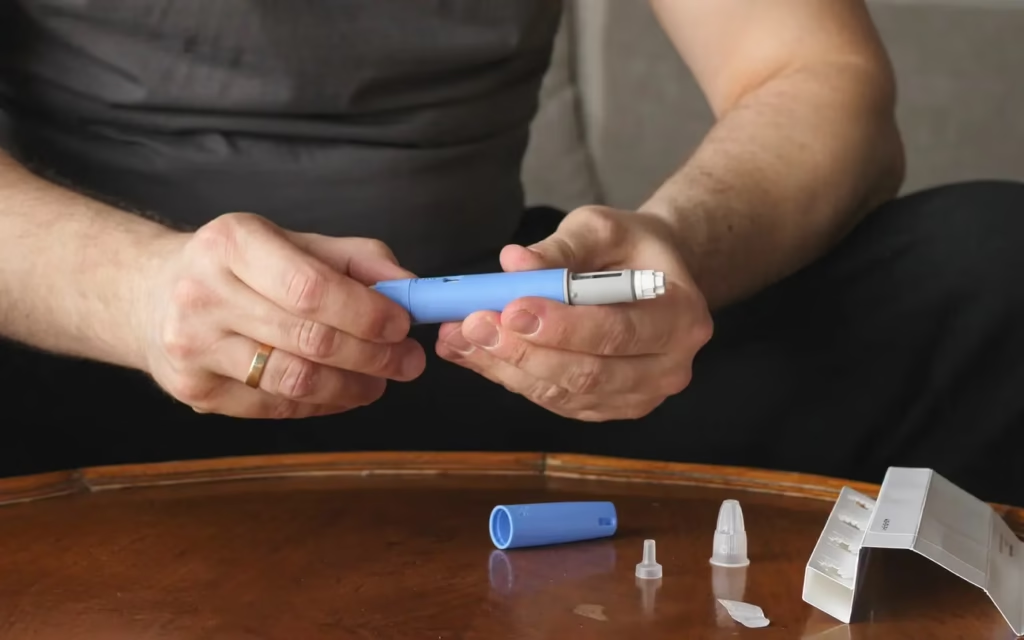
The medication works by helping people feel full longer and by reducing their appetite throughout the day. So, users often eat fewer calories without constantly fighting hunger or cravings. Zepbound also helps the body better regulate blood sugar levels, which can help improve overall metabolic health and support long-term weight management goals.
Recommended: Does Alcohol Affect Zepbound?
Zepbound was not developed to treat fertility, but its impact on weight loss and metabolic health has raised questions about what it might mean for reproductive health. Some even wonder if the improvements they see while taking Zepbound might help their chances of getting pregnant, as excess weight and certain metabolic conditions can affect fertility. It’s important to understand the link and how the medication helps with overall health and weight loss.
Can Weight Loss Affect Fertility?
Yes, particularly for someone who is overweight or living with obesity. Having more body fat can influence the hormones that regulate reproduction, making it more difficult for women to ovulate regularly and become pregnant. Also closely related to weight and insulin resistance are conditions like polycystic ovary syndrome (PCOS), which is a major cause of infertility. Therefore, weight loss can help restore the hormone balance, improve the regularity of menstruation and improve the chances of successful ovulation.
Weight loss for male fertility can also support better hormone levels and overall reproductive health. Obesity has been linked to lower testosterone levels and poorer sperm quality, both of which can impact fertility. Although weight loss is not a guaranteed solution for infertility, reaching a healthier weight can create a more favorable setting for conception and could potentially improve fertility results for both men and women.
Recommended: Does It Matter Where I Inject Zepbound?
Does Zepbound Directly Increase Fertility?
Zepbound has not been shown to directly increase fertility based on scientific data at this time. The drug was developed and approved to assist with weight management, not to treat infertility or enhance reproductive function. Some people have reported becoming pregnant after taking Zepbound, but those experiences should not be taken as evidence that the drug itself is a fertility enhancer.
However, Zepbound can indirectly help with fertility for some people. Being overweight, insulin resistance and metabolic disorders can disrupt reproductive processes in the body and make it harder to conceive. Since Zepbound can help a lot of people lose weight and improve metabolic health, it could potentially help with some of the underlying factors affecting fertility.
This can help women have more regular periods and more regular ovulation, especially if they had hormone imbalances before that were related to obesity or other conditions like PCOS . Ovulation is more predictable, which can increase the chances of natural conception. That is one reason some women find themselves pregnant after successful weight loss taking the drug.
There might also be fertility-related benefits with men’s general health improving. Losing weight can help keep hormone levels healthier and in some cases may improve the quality of sperm. More research is necessary to determine the complete relationship between Zepbound and reproductive health, but the evidence we have so far points to improved health and weight loss as the likely cause for any increased fertility, not the medication itself.
Recommended: Does Zepbound Help With Acne?
How Zepbound May Improve Fertility Indirectly
Zepbound (tirzepatide) is not a fertility drug, but it may indirectly improve fertility in some people by addressing underlying metabolic and hormonal issues that affect reproductive health. These effects are mostly tied to weight loss, improved insulin sensitivity, and hormonal balance rather than a direct action on the reproductive system.

1. Improved Insulin Sensitivity
Zepbound (tirzepatide) is not a fertility drug, but one of its key effects is improving insulin sensitivity. High insulin levels, which are common in obesity and conditions like PCOS, can disrupt ovulation and hormonal balance. When insulin resistance improves, the body is better able to regulate reproductive hormones, which can lead to more regular ovulation and a higher chance of conception.
2. Weight Loss and Hormonal Balance
Weight loss is one of the major outcomes of Zepbound use, and it plays a significant role in reproductive health. Excess body fat can interfere with hormones such as estrogen and progesterone, leading to irregular menstrual cycles or ovulation issues. As weight decreases, these hormones may begin to regulate more effectively, leading to more consistent cycles and improved fertility potential.
3. Improved Ovulation in Women with PCOS
For women with Polycystic Ovary Syndrome (PCOS), insulin resistance and hormonal imbalance are major causes of infertility. By improving metabolic health and supporting weight loss, Zepbound may indirectly reduce excess androgen levels, improve cycle regularity, and increase the likelihood of ovulation. While it is not a treatment for PCOS, these metabolic improvements can help ease some of its symptoms.
Recommended: Why Am I Still Hungry on 5mg of Tirzepatide?
4. Reduced Inflammation in the Body
Chronic inflammation is linked to reduced fertility in both men and women. As Zepbound supports weight loss and better metabolic control, it may also help reduce inflammation in the body. Lower inflammation can create a more favorable environment for reproductive health, potentially improving egg quality and overall fertility function.
5. Better Ovulatory Function in Irregular Cycles
Some individuals experience irregular or absent ovulation due to obesity or metabolic dysfunction. As weight loss occurs and the body becomes more metabolically balanced, menstrual cycles may become more regular. This can lead to more predictable ovulation patterns, which increases the chances of successful conception.
6. Improved Male Fertility Markers (Indirectly)
In men, obesity is associated with lower testosterone levels, reduced sperm quality, and poor sperm motility. Weight loss supported by Zepbound may help improve hormonal balance and reproductive markers. Although the effects vary between individuals, improved metabolic health can contribute to better overall sperm function.
Can You Take Zepbound While Trying to Conceive?
No, Zepbound is generally not recommended while trying to conceive.
Zepbound (tirzepatide) is a weight-loss medication that affects appetite regulation, insulin sensitivity, and overall metabolic function. Because it has strong effects on hormonal and metabolic systems, most healthcare providers advise stopping it before actively trying to get pregnant. This is mainly due to limited human pregnancy data and concerns from animal studies suggesting potential risks to fetal development, especially during early pregnancy when organs are forming.
If someone becomes pregnant while taking Zepbound, the usual recommendation is to stop the medication immediately and contact a healthcare provider for guidance. In many cases, doctors may suggest discontinuing it some time before conception to allow the drug to clear from the body and to stabilize metabolic and hormonal balance. While weight loss achieved before pregnancy may improve fertility outcomes, the medication itself is not considered safe during conception or pregnancy.
Recommended: Best Pineapple Detox Drink for Weight Los
Who May Experience Fertility Improvements on Zepbound?
Zepbound (tirzepatide) is not a fertility medication, but some people may notice improved fertility as a secondary effect of weight loss and better metabolic health. These changes mainly affect hormone balance, ovulation, and reproductive function in individuals whose fertility issues are linked to weight or insulin resistance.

1. Individuals with obesity
People with obesity may notice improved fertility while using Zepbound because excess body fat can disrupt hormone levels, interfere with ovulation, and reduce reproductive efficiency in both men and women. As weight decreases, hormonal balance often improves, menstrual cycles may become more regular, and ovulation can become more consistent, which increases the chances of conception.
2. Women with PCOS
Women with Polycystic Ovary Syndrome (PCOS) may experience fertility improvements because the condition is strongly linked to insulin resistance and hormonal imbalance. Zepbound may help improve insulin sensitivity and support weight loss, which can reduce androgen levels, regulate menstrual cycles, and promote more regular ovulation.
Recommended: Do I Need to Use GLP-1 Agonists for Weight Loss?
3. Men with obesity-related fertility issues
Men with excess weight may also see indirect fertility benefits. Obesity can lower testosterone levels and negatively affect sperm quality, including count and motility. As metabolic health improves with weight loss, hormone balance may improve and sperm parameters may become more favorable, although results vary from person to person.
Conclusion
For some people, Zepbound may also indirectly support fertility by improving key factors like weight, insulin sensitivity, and hormonal balance. These changes can help regulate menstrual cycles, encourage more regular ovulation in women, and improve reproductive hormones and sperm quality in men, particularly if fertility issues stem from obesity or metabolic conditions like PCOS.
Zepbound is not a fertility treatment and should not be used for that purpose. Any fertility improvements are a secondary effect of health improvements and will vary from person to person. Anyone who is trying to get pregnant should always talk to a healthcare professional before they start or continue this medication.