
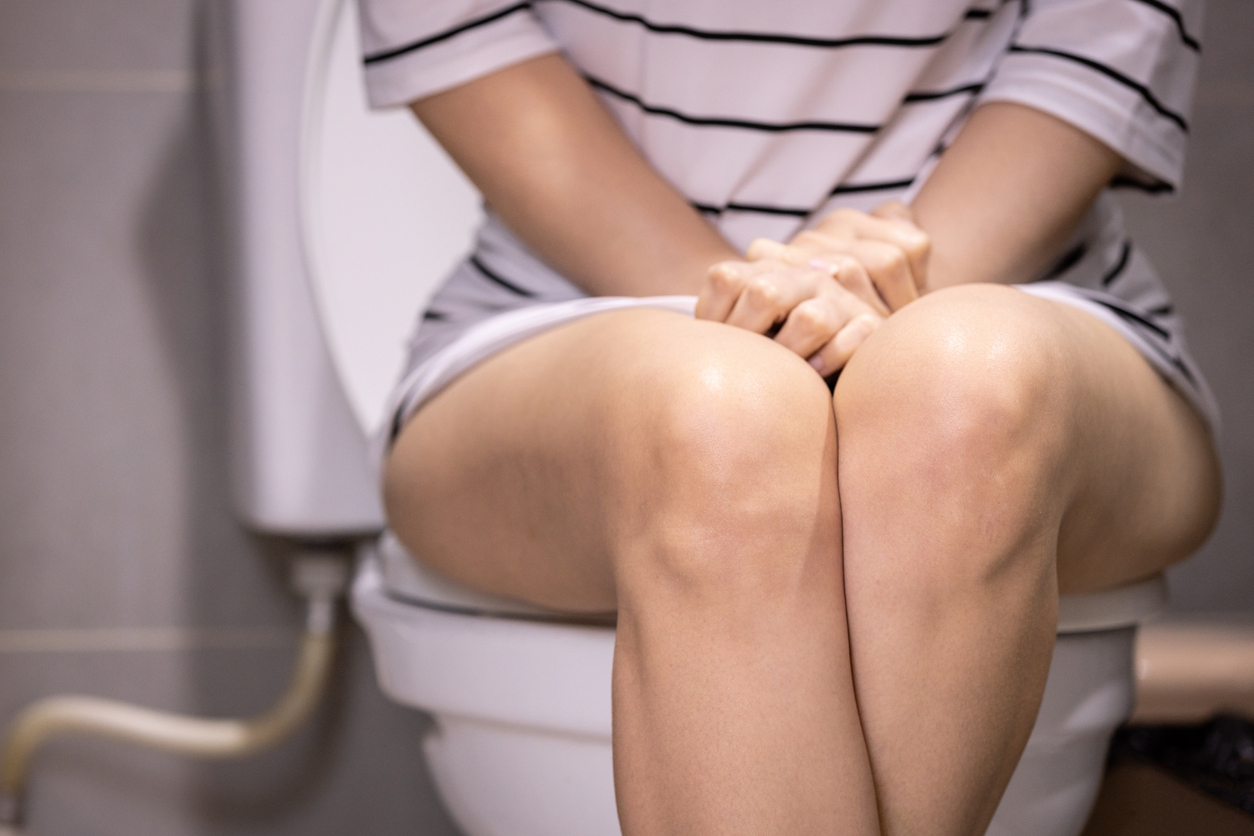
STD test results can be reassuring, but they may not always explain why you experience burning after urination. A negative result can leave you wondering whether the discomfort is caused by another infection or condition.
Burning when you pee may occur for several reasons, including urinary tract infections, yeast infections, vaginal irritation, dehydration, or other urinary and genital conditions.It is also important to consider when and how the STD test was performed. Testing too soon after exposure may sometimes produce a negative result before an infection can be reliably detected.
Additionally, different tests check for different infections, so a negative result for one STD does not necessarily rule out every possible cause of your symptoms.If you continue to experience burning after urinatioNegn despite a negative STD test, identifying the underlying cause is important.
In this article, we will explore the common reasons for burning after urination when an STD test is negative, other possible causes, and when to seek medical care.
Common Causes of Burning After Urination
Burning after urination can have several causes, and an STD is only one possibility. If your STD test is negative, the discomfort may be related to a urinary, vaginal, or skin condition. Identifying other possible causes can help determine whether you need further testing or treatment.

- Urinary Tract Infection (UTI): A UTI is one of the most common causes of burning when urinating. It may also cause frequent urination, urgency, cloudy urine, or lower abdominal discomfort.
- Vaginal Yeast Infection: A yeast infection can irritate the skin around the vaginal opening, causing burning when urine comes into contact with the irritated area.
- Bacterial Vaginosis (BV): BV primarily causes unusual vaginal discharge and odor, but some people may also experience vaginal irritation or burning during urination.
- Genital or Vaginal Irritation: Soaps, scented products, lubricants, condoms, shaving, or friction during sex can irritate the genital area and cause burning when you pee.
- Dehydration: When you do not drink enough water, your urine becomes more concentrated and may cause temporary stinging or burning during urination.
- Kidney or Bladder Problems: Conditions such as bladder inflammation or kidney stones can sometimes cause painful urination, especially when accompanied by abdominal or back pain.
- Sexually Transmitted Infections: A negative STD test does not always rule out every possible infection, particularly if testing was done too soon after exposure or did not include the specific infection causing the symptoms.
Recommended: Can You Have an STD With No Symptoms for Years?
Why Am I Burning After Urination if My STD Test Is Negative?
Burning after urination can happen even when an STD test is negative because sexually transmitted infections are not the only conditions that can cause painful urination. A urinary tract infection (UTI) is a common possibility and may also cause frequent urination, an urgent need to pee, cloudy urine, or lower abdominal discomfort. Vaginal yeast infections, bacterial vaginosis, and irritation around the genital area can also cause burning, particularly when urine comes into contact with irritated skin.
Another possibility is that the STD test was performed too soon after exposure or did not test for the particular infection causing your symptoms. Different STDs require different types of tests, and there is a window period during which an infection may not yet be detectable. Therefore, a single negative result may not completely explain persistent symptoms if the timing of the test was inappropriate.
Can You Have Burning Urination Without an STD?
Yes, burning during or after urination can occur without having an STD. In fact, conditions such as urinary tract infections (UTIs), yeast infections, bacterial vaginosis, and genital irritation can cause similar symptoms. Irritation from sexual activity, scented soaps, lubricants, condoms, or other personal care products may also make urination uncomfortable.

The location of the irritation can sometimes provide a clue. If the skin around the vaginal opening or penis is irritated, urine passing over the area may cause a burning sensation. A UTI, on the other hand, usually causes burning that feels deeper in the urinary tract and may be accompanied by frequent urination or an urgent need to urinate.
Recommended: How Long Does STD Symptoms Take to Show?
Therefore, having burning urination does not automatically mean you have an STD. If the symptom persists despite a negative STD test, a healthcare professional can perform other tests, such as a urine test or vaginal examination, to identify the underlying cause.
What STDs Can Cause Burning Urination?
Several sexually transmitted infections can cause burning or pain when urinating. The sensation may occur because the infection affects the urethra or causes inflammation around the genital area. Some common STDs associated with painful urination include:
1. Gonorrhea
Gonorrhea can infect the urethra and cause a noticeable burning sensation when urinating. It may also cause thick or unusual discharge from the vagina or penis. However, some people have no symptoms.
2. Chlamydia
Chlamydia can cause inflammation of the urethra, resulting in burning or discomfort when peeing. Other possible symptoms include unusual genital discharge, pelvic pain, or pain during sex, although many infections cause no noticeable symptoms.
3. Genital Herpes
Genital herpes can cause painful urination, particularly when sores or blisters are present around the genitals or urethral opening. The urine may sting when it comes into contact with the affected skin.
4. Trichomoniasis
Trichomoniasis may cause burning during urination, genital irritation, itching, and unusual vaginal or penile discharge. Some people with the infection have mild symptoms or none at all.
Recommended: Can STD Symptoms Show Up the Next Day?
5. Mycoplasma genitalium
Mycoplasma genitalium can infect the urethra and cause burning or discomfort during urination. It may also cause genital discharge and, in some women, pelvic discomfort. Testing for this infection is not always included in routine STD screening.
When Should You See a Doctor for Burning After Urination?
You should see a doctor if burning after urination persists, keeps returning, or becomes more painful, especially if your STD test was negative but your symptoms continue. Persistent burning may be caused by a UTI, vaginal infection, irritation, kidney or bladder problems, or an infection that requires additional testing.

Recommended: Does Boric Acid Help With UTI?
Seek medical care promptly if the burning occurs with:
- Blood in your urine, particularly if you cannot identify an obvious cause.
- Fever or chills, which may indicate a more serious infection.
- Lower abdominal, pelvic, or back pain.
- Unusual vaginal or penile discharge or a strong genital odor.
- Frequent or urgent urination that is unusual for you.
- Genital sores, blisters, swelling, or severe irritation.
- Difficulty urinating or being unable to pass urine.
- Symptoms that develop or persist after unprotected sex, even if an initial STD test was negative.
How to Prevent Burning and Irritation After Urination
- Drink enough water throughout the day to help keep your urine diluted.
- Avoid scented soaps, sprays, wipes, and other products that may irritate the genital area.
- Wash the genital area gently with water and avoid excessive scrubbing.
- Urinate after sex to help flush bacteria from the urinary tract.
- Use adequate lubrication during sex to reduce friction and irritation.
- Avoid using vaginal douches, as they can disrupt the natural vaginal balance.
- Wear breathable cotton underwear and change out of wet clothing promptly.
- Practice safer sex by using condoms and getting regular STD testing when appropriate.
- Avoid holding your urine for long periods.
- Seek medical care if burning persists, keeps returning, or occurs with other concerning symptoms.
Conclusion
Burning after urination does not always mean you have an STD, especially when your test result is negative. UTIs, yeast infections, bacterial vaginosis, dehydration, and genital irritation can all cause similar discomfort. However, the timing and type of STD test can affect the result, so persistent symptoms may require further evaluation.
If the burning continues, becomes worse, or occurs with symptoms such as unusual discharge, blood in the urine, fever, pelvic pain, or back pain, speak with a healthcare professional. Identifying the underlying cause early can help you receive the appropriate treatment and prevent complications.