
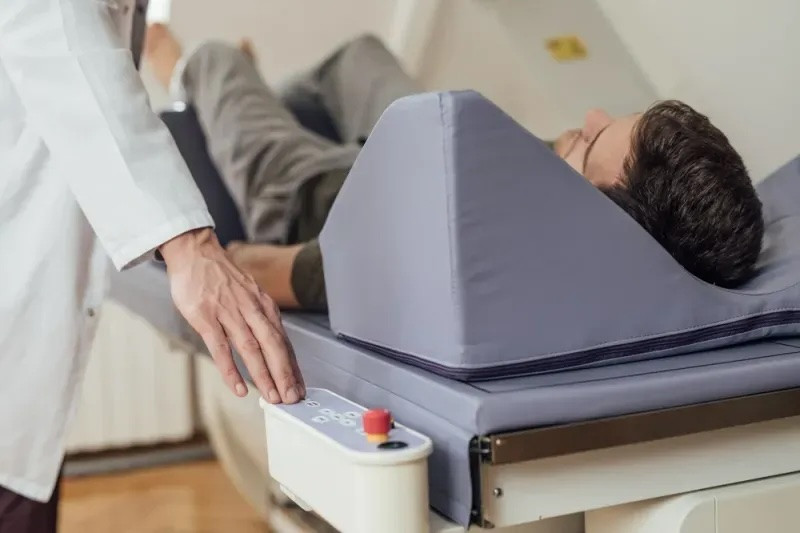
Bone density test is a medical examination that measures the strength and density of your bones. It is a quick and painless procedure that provides important information about your bone health. The results can help find early signs of bone loss, even before symptoms show up. This makes it a useful tool for preventive health care.
As we get older, our bones naturally lose minerals and become weaker, which can increase the risk of fractures and other complications. Certain factors such as age, gender, family history, and lifestyle habits can also affect bone strength. Understanding your bone density can help you and your healthcare provider make informed decisions about your health.
A bone density test is especially helpful for finding diseases like osteoporosis and osteopenia, which don’t show any signs until a fracture happens. If these problems are found early, diet, exercise, or medication can be used to make bones stronger. This test is an important part of keeping bones healthy for a long time and avoiding serious injuries.
In this article, we will discuss three main things a bone density test can identify, how it detects osteoporosis, low bone mass, and the risk of fractures. We will also explore why knowing these results is essential for making lifestyle and medical decisions to protect your bones and overall health.
What a Bone Density Test Is
A bone density test, also known as a DEXA scan, is a medical procedure that measures the strength and density of your bones. It uses a very small amount of X-ray to determine the amount of calcium and other minerals in a specific section of bone. This test is painless, non-invasive, and usually takes only a few minutes, making it a convenient way to assess bone health.

The main goal of a bone density test is to find signs of bone loss before any breaks happen. As people get older, their bones naturally lose density. This happens more quickly in women after menopause. However, some lifestyle choices, medications, or medical conditions can speed up this process. Healthcare providers can find people who are at risk for osteoporosis, osteopenia, and fractures by measuring their bone density.
Recommended: DEXA Scan vs Standard Bone Density Test
Bone density tests are most commonly performed on the hip, spine, or forearm, which are areas prone to fractures. The results are compared to the bone density of a healthy young adult and are reported as a T-score. A lower T-score indicates weaker bones, which helps doctors determine the severity of bone loss and recommend appropriate preventive or treatment measures.
Importance of Bone Density Tests
Bone density tests provide valuable insights into your bone health and help guide decisions to prevent bone-related problems. Here are some key reasons why these tests are important:
- Early Detection of Bone Loss: Helps identify weakening bones before fractures occur.
- Diagnosis of Osteoporosis and Osteopenia: Detects conditions that often have no early symptoms.
- Assessment of Fracture Risk: Estimates the likelihood of fractures in critical areas like the spine and hip.
- Guiding Preventive Measures: Provides information for lifestyle changes, supplements, or medications to protect bones.
- Monitoring Treatment Effectiveness: Tracks whether interventions to improve bone strength are working over time.
- Supporting Long-Term Bone Health: Helps individuals maintain healthy bones as they age.
Three Things a Bone Density Test Can Identify
A bone density test is more than just a simple scan; it provides critical insights into the health and strength of your bones. Many bone-related conditions develop silently and do not show symptoms until serious problems, like fractures, occur. By undergoing a bone density test, you can detect potential issues early and take steps to protect your bone health. Here are the three main things a bone density test can identify:
1. Osteoporosis

Osteoporosis is a condition characterized by weak and brittle bones that are more susceptible to fractures. It often develops silently over time, which is why many people do not realize they have it until a bone breaks. Detecting osteoporosis early is critical because it allows for interventions that can strengthen bones and prevent serious injuries.
Recommended: Can Dexa Scan Show Cancer?
How a Bone Density Test Detects Osteoporosis
A bone density test, most commonly done through a DEXA scan, measures the mineral content of your bones. Here’s how it works:
- Measurement of Bone Mineral Density (BMD): The test uses a low-dose X-ray to measure the density of calcium and other minerals in bones.
- Comparison to Reference Values: Results are compared to the bone density of a healthy young adult of the same sex.
- T-Score Interpretation:
- T-score above -1.0: Normal bone density
- T-score between -1.0 and -2.5: Indicates osteopenia (low bone mass)
- T-score -2.5 or lower: Confirms osteoporosis
Risk Factors Highlighted by Bone Density Tests
While the test measures bone strength, it also helps identify people at higher risk due to:
- Age, especially over 50
- Menopause or low estrogen levels in women
- Family history of osteoporosis or fractures
- Low calcium or vitamin D intake
- Sedentary lifestyle or lack of weight-bearing exercises
- Certain medications or chronic conditions affecting bone health
Benefits of Early Detection
Early detection of osteoporosis offers several advantages:
- Prevention of Fractures: Hip, spine, and wrist fractures can be avoided with timely interventions.
- Customized Treatment Plans: Doctors can recommend medications, supplements, and lifestyle changes tailored to your needs.
- Monitoring Bone Health Over Time: Regular testing allows tracking of bone density changes and effectiveness of treatments.
- Improved Quality of Life: Maintaining strong bones reduces the risk of falls and long-term disability.
By identifying osteoporosis before it causes damage, a bone density test empowers individuals to take control of their bone health and reduce serious health risks associated with weak bones.
2. Osteopenia (Low Bone Mass)

Osteopenia is a condition where bone density is lower than normal but not low enough to be classified as osteoporosis. It serves as an early warning that bones are losing strength and could become more fragile over time. Detecting osteopenia gives you the opportunity to take preventive measures before serious bone loss occurs.
Recommended: Strength Training for Seniors With Medical Supervision
How a Bone Density Test Detects Osteopenia
A bone density test identifies osteopenia using the T-score from your scan:
- T-score between -1.0 and -2.5: Indicates low bone mass or osteopenia
- Bone Mineral Density (BMD) Measurement: Evaluates calcium and mineral content in the bones
- Comparison to Young Adult Reference Values: Highlights early bone loss before symptoms appear
Risk Factors for Osteopenia
Bone density testing can also reveal individuals at higher risk due to:
- Aging and hormonal changes, particularly in postmenopausal women
- Poor nutrition with insufficient calcium or vitamin D
- Sedentary lifestyle or lack of weight-bearing exercises
- Smoking or excessive alcohol consumption
- Certain medications that affect bone health
Benefits of Early Detection
- Long-Term Bone Health: Prevents future fractures and supports mobility and independenceociated with weak bones.
- Prevent Progression to Osteoporosis: Lifestyle changes and medications can slow or stop further bone loss
- Personalized Health Advice: Doctors can recommend exercise routines, diet changes, or supplements
- Monitoring Bone Strength: Regular tests help track whether interventions are effective
3. Assessing Fracture Risk
One of the most important outcomes of a bone density test is estimating your risk of fractures. Even before any fractures occur, the test can indicate which bones are most vulnerable and how likely you are to sustain injuries.
How Fracture Risk Is Measured
- T-Score Analysis: Lower T-scores suggest weaker bones, which increases fracture risk
- FRAX Score (Optional): Some healthcare providers calculate a 10-year fracture risk based on bone density and other factors
- Targeted Bone Assessment: Hip, spine, and wrist bones are commonly checked because they are most prone to breaks
Factors That Increase Fracture Risk
Bone density testing can reveal susceptibility based on:
- Advanced age and gender (women are more at risk after menopause)
- History of previous fractures
- Chronic conditions affecting bone health, such as rheumatoid arthritis
- Lifestyle factors including inactivity, smoking, and low calcium intake
Benefits of Knowing Your Fracture Risk
- Preventive Planning: Doctors can recommend balance and strength exercises, home safety adjustments, or medications
- Targeted Interventions: Helps decide where to focus preventive measures, like hip protection or spinal support
- Peace of Mind: Understanding your risk allows you to take proactive steps to maintain independence and avoid injuries
- Tracking Progress: Repeated bone density tests can monitor the effectiveness of interventions aimed at reducing fracture risk
Recommended: Why Muscle Mass and Body Composition Are Key to Longevity
Tips for Maintaining Strong Bones
Maintaining strong bones is essential for overall health and mobility, especially as we age. Healthy bones not only reduce the risk of fractures but also support posture, balance, and everyday movement. There are several lifestyle habits and practices that can help keep bones strong and resilient.
1. Eat a Balanced Diet Rich in Bone-Healthy Nutrients
- Calcium: Essential for bone strength. Sources include dairy products, leafy green vegetables, almonds, and fortified foods.
- Vitamin D: Helps the body absorb calcium effectively. Sun exposure and foods like fatty fish or fortified milk are good sources.
- Protein: Supports bone structure. Include lean meats, beans, lentils, and tofu in your diet.
- Other Minerals: Magnesium, phosphorus, and potassium are also important for bone health.
2. Engage in Regular Weight-Bearing and Strength Exercises

Physical activity helps maintain bone density and reduces the risk of fractures. Weight-bearing exercises like walking, jogging, or dancing stimulate bone growth, while strength training builds muscle to support bones. Balance and flexibility exercises such as yoga or tai chi also help prevent falls.
Recommended: How to Exercise Safely with Joint Hypermobility
3. Avoid Lifestyle Habits That Weaken Bones
Smoking and excessive alcohol weaken bones and increase fracture risk. A sedentary lifestyle can accelerate bone loss. Staying active and avoiding these habits are key to long-term bone strength.
4. Monitor Bone Health Regularly
Regular bone density tests help detect osteoporosis or low bone mass early. Medical checkups allow your doctor to identify risk factors, recommend lifestyle changes, or suggest supplements if needed. Keeping track of your bone health ensures timely interventions.
5. Prevent Falls at Home and in Daily Life
Protecting your bones also means preventing injuries. Remove tripping hazards, ensure proper lighting at home, and wear supportive shoes. Using handrails, canes, or other assistive devices can provide extra stability, especially for older adults.
By incorporating these tips into daily life, you can help maintain strong bones, prevent fractures, and enjoy a healthier, more active lifestyle well into older age.
Conclusion
Bone health is a vital part of overall well-being, yet it is often overlooked until problems arise. A bone density test is an important tool that can find osteoporosis, low bone mass, and the risk of fractures. This lets you take steps to protect your bones early on. You can keep your bones strong and healthy by learning about them and making changes to your diet, exercise, lifestyle, and medical care.
Regular monitoring, combined with healthy habits, not only reduces the risk of fractures but also supports mobility, independence, and quality of life as you age. Taking care of your bones today ensures that they remain a strong foundation for a healthy future.