
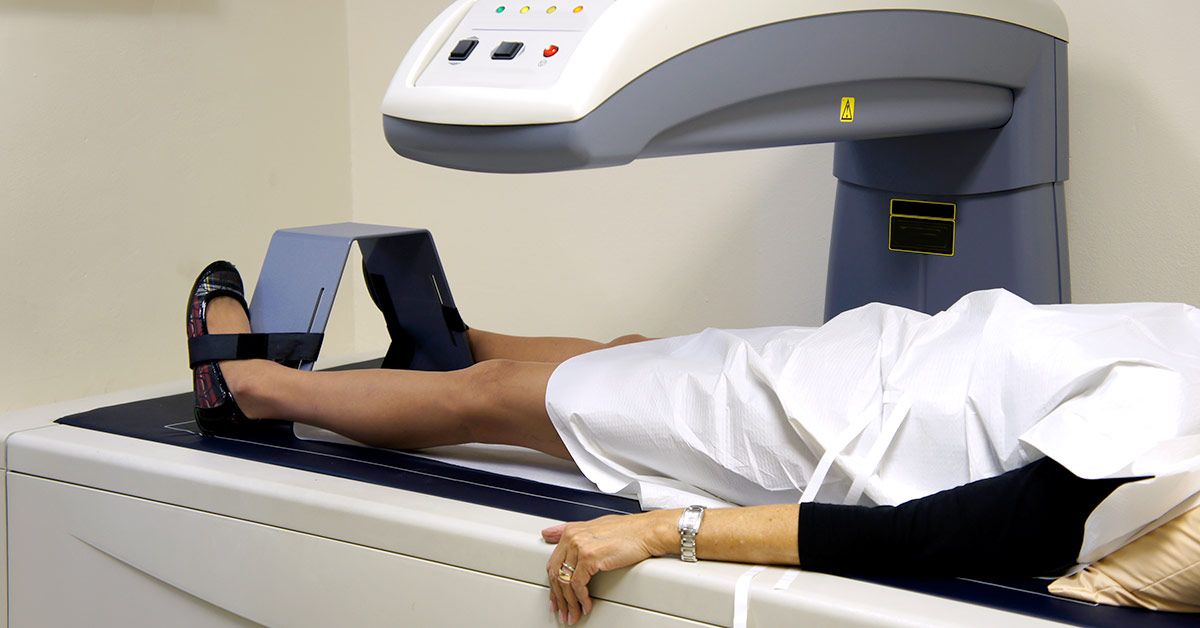
Dexa scan is one of the most widely used methods for measuring bone density and assessing the risk of conditions like osteoporosis. It uses low-dose X-rays to get exact measurements of bone strength, which is why it is a trusted tool in modern medicine. As more and more people learn about how to keep their bones healthy, especially older people and those who are at risk, more people are looking for safe ways to keep an eye on and protect their bones.
At the same time, there are other standard bone density tests that have been used for screening and evaluation. The technology, accuracy, and body parts that these tests look at may be different. Some options are easier to get and less expensive, but they might not always give you the same level of detail as a Dexa scan, which can make it hard to choose the best one.
In this article, we will explore what a Dexa scan is, what standard bone density tests involve, the key differences between them, their accuracy, advantages and limitations, and how to determine which option is best suited for your specific health needs.
What Is a DEXA Scan?
A DEXA scan, or Dual-Energy X-ray Absorptiometry, is a special type of imaging test that checks the density of bone minerals. It uses two low-dose X-ray beams with different energy levels to check how strong and dense bones are. This makes it very good at finding early signs of bone loss before big problems happen.

The scan is commonly performed on key areas of the body such as the hip, spine, and sometimes the forearm, since these regions are more prone to fractures. The procedure is simple, non-invasive, and painless, usually completed within a few minutes. Patients are only required to lie still on a table while the scanner passes over the body.
Recommended: Strength Training for Seniors With Medical Supervision
One of the major advantages of a DEXA scan is its high level of accuracy and reliability. It is considered the gold standard for diagnosing bone-related conditions like osteoporosis and osteopenia. The test can detect even minor changes in bone density, allowing for early intervention and better management of bone health.
The results of a DEXA scan are typically reported as T-scores and Z-scores. These scores help healthcare providers evaluate bone health, compare it to normal values, and determine an individual’s risk of fractures. This information is essential for guiding treatment decisions and monitoring progress over time.
Pros and Cons of DEXA Scan
Pros
- High Accuracy: DEXA scans are the best way to find out if someone has osteoporosis or osteopenia because they give very accurate and reliable measurements of bone mineral density.
- Comprehensive Assessment: They typically evaluate critical areas like the hip, spine, and sometimes the forearm, offering a clear picture of overall bone health and fracture risk.
- Early Detection: DEXA scans can detect small changes in bone density, allowing for early intervention and better management of bone-related conditions.
- Low Radiation Exposure: The test uses very low-dose X-rays, making it safe for most patients while still providing detailed results.
- Detailed Results: DEXA scans give T-scores and Z-scores, which doctors use to check the health of bones, figure out how likely a fracture is, and plan treatment.
Cons
- Higher Cost: DEXA scans are generally more expensive than standard bone density tests, which may limit accessibility for some patients.
- Limited Availability: The specialized equipment is usually found in hospitals or diagnostic centers, making it less accessible in smaller clinics or remote areas.
- Not Portable: Unlike some standard tests, DEXA machines are large and cannot be easily transported for community or home screenings.
- Preparation Requirements: Patients may need to avoid certain supplements or clothing with metal, which can be inconvenient for some individuals.
- Primarily for Bone Assessment: While excellent for measuring bone density, DEXA scans do not assess other aspects of bone quality, such as strength or microarchitecture.
Recommended: How to Exercise Safely with Joint Hypermobility
What Is a Standard Bone Density Test?
A standard bone density test is a set of methods used to check how strong bones are and find out if they might be losing strength. Standard tests, on the other hand, may use techniques like quantitative ultrasound or basic X-ray assessments. These tests are often used for initial screening or in settings where advanced equipment is not available.

One common type of standard bone density test is ultrasound testing, which typically measures bone density at the heel. It works by sending sound waves through the bone to estimate its density and structure. While this method is quick, portable, and does not involve radiation, it is generally less precise than a DEXA scan and may not assess critical areas like the spine or hip.
Standard bone density tests are often easier to get and less expensive, which makes them a good choice for large-scale screenings or regular checks. However, because they provide less detailed information, they are often not sufficient for diagnosing conditions like osteoporosis on their own. Instead, abnormal results from these tests may require confirmation with a DEXA scan.
Overall, standard bone density tests play an important role in early detection and increasing awareness of bone health. They can help identify individuals who may be at risk, but for accurate diagnosis and treatment planning, more advanced methods like DEXA scans are typically recommended.
Recommended: 10 Natural Ways to Relieve Joint Pain
Pros and Cons of Standard Bone Density Test
Pros
- Affordable: Standard bone density tests are usually cheaper than DEXA scans, which makes them easier for more people to get.
- Widely Available: These tests are commonly found in smaller clinics and community health centers, especially in areas where advanced equipment may not be available.
- Quick and Convenient: The procedure is fast, non-invasive, and easy to perform, often taking only a few minutes with minimal preparation required.
- No Radiation in Some Methods: Tests like ultrasound do not use radiation, making them a safer option for frequent or initial screenings.
- Useful for Early Screening: They are effective for identifying individuals who may be at risk of bone loss and need further evaluation.
Cons
- Lower Accuracy: Standard tests give estimates instead of exact measurements, which can make the results less reliable than DEXA scans.
- Limited Testing Areas: They usually measure bone density in areas like the heel or wrist, which may not accurately reflect overall bone health.
- Not Suitable for Diagnosis: These tests are not considered sufficient for diagnosing conditions like osteoporosis and often require confirmation with a DEXA scan.
- Less Detailed Results: Standard bone density tests may not give you all the information you need, like detailed scores, which makes them less useful for planning treatment.
- Higher Chance of Misinterpretation: Because of their lower precision, results may sometimes lead to false reassurance or unnecessary concern, requiring follow-up testing.
Key Differences Between DEXA Scan and Standard Bone Density Tests
Accuracy and Precision
DEXA scans use advanced dual-energy X-ray technology to provide highly precise measurements of bone mineral density. Standard bone density tests, such as ultrasound, offer estimates that are generally less accurate. This makes DEXA scans more reliable for detecting early bone loss and diagnosing conditions like osteoporosis.
Areas of the Body Tested
DEXA scans typically focus on critical regions such as the hip and spine, where fractures are more likely to occur. In contrast, standard tests often assess peripheral areas like the heel or wrist, which may not give a complete picture of overall bone health.
Technology Used

DEXA scans rely on low-dose X-rays to measure bone density, while standard tests may use sound waves or basic imaging techniques. The difference in technology contributes to the variation in detail and reliability of results.
Accessibility and Convenience
Standard bone density tests are usually more portable and widely available, making them easier to access in smaller clinics or community settings. DEXA scans require specialized equipment and are typically performed in hospitals or diagnostic centers.
Recommended: Can Red Light Therapy Cause Cancer?
Cost
Standard tests are generally more affordable and are often used for initial screening. DEXA scans may be more expensive but provide more detailed and clinically useful information.
Purpose and Clinical Use
Standard bone density tests are mainly used for preliminary screening to identify individuals at risk. DEXA scans are used for accurate diagnosis, treatment planning, and monitoring of bone-related conditions over time.
Which Test Is More Accurate?
The DEXA scan is the most accurate way to measure bone mineral density when comparing accuracy. It uses advanced dual-energy X-ray technology to give accurate and consistent results, which lets doctors see even small changes in bone mass. It is the best way to diagnose conditions like osteoporosis and osteopenia because it is so accurate.
Standard bone density tests, such as ultrasound, are less accurate because they provide estimates rather than direct measurements of bone density. They are often limited to specific areas like the heel and may not reflect the condition of critical bones such as the hip and spine. As a result, these tests are more suitable for initial screening rather than definitive diagnosis.
Another reason DEXA scans are more accurate is their ability to produce detailed scores, such as T-scores and Z-scores, which are used to assess fracture risk and compare bone density to established norms. Standard tests typically do not offer this level of detailed analysis, which can limit their clinical usefulness.
Recommended: Best Lactose-Free Weight Gain Supplements for Sensitive Stomachs
Factors to Consider When Choosing a Bone Density Test

- Purpose of the Test: Determine whether the goal is initial screening or accurate diagnosis. Standard tests are useful for quick screenings, while DEXA scans provide precise results needed for diagnosis and treatment planning.
- Accuracy Required: If detailed information about bone density and fracture risk is needed, a DEXA scan is the preferred choice. For general risk assessment, standard tests may be sufficient.
- Cost and Insurance Coverage: Consider the affordability of each test and whether your health insurance covers it. Standard tests are usually less expensive, whereas DEXA scans may be costlier but more clinically valuable.
- Accessibility and Availability: Check whether the test is available locally. Standard tests may be easier to access in community clinics, while DEXA scans often require a hospital or diagnostic center.
- Radiation Exposure: Although DEXA scans use low-dose X-rays, some patients may prefer methods like ultrasound that do not involve radiation.
- Health Status and Risk Factors: Age, medical conditions, and risk of fractures should influence the choice. Individuals at higher risk of osteoporosis or with previous fractures may benefit more from a DEXA scan.
- Frequency of Testing: For patients needing regular monitoring, convenience and safety matter. Standard tests may be easier for frequent checks, but DEXA scans provide more reliable trend tracking over time.
- Comfort and Convenience: Consider the duration and preparation needed for the test. DEXA scans require lying still on a table and avoiding metal, while some standard tests like ultrasound are quicker and simpler.
Conclusion
Choosing the right bone density test is an important step in maintaining strong and healthy bones. Standard bone density tests are easy to use, cheap, and quick, but they are not as accurate and may not show the whole picture of bone health. DEXA scans, on the other hand, are the best way to diagnose and plan treatment because they give very accurate measurements, detailed results, and early detection of bone loss.
Ultimately, the choice between a DEXA scan and a standard bone density test depends on factors such as your health status, risk of fractures, cost, and accessibility. Standard tests can be a good starting point for initial screening, but DEXA scans are recommended when precise evaluation is needed or when medical conditions put you at higher risk.