
Weight gain can be a real challenge, especially for picky eaters who struggle to enjoy a variety of foods. Healthy weight gain is not just about eating more calories but about choosing nutrient-rich foods that support muscle growth, energy levels, and overall wellness. Picky eaters often avoid certain foods, making it harder to meet daily calorie and nutrient needs, which can make the process of gaining weight feel slow and frustrating.
In this article, we will cover how picky eaters can gain weight in a healthy way. You will learn about the key nutrients to focus on, practical meal ideas, easy high-calorie recipes, and tips for staying consistent with a meal plan.
Understanding Healthy Weight Gain
Healthy weight gain is more than just eating a lot of food. It is about increasing body mass in a way that supports muscle growth, energy, and overall health. Healthy weight gain does not depend on sugary snacks or fried foods that do not have any nutrients. Instead, it focusses on foods that are high in proteins, complex carbohydrates, and healthy fats. This method helps make sure that the weight you gain is healthy and adds to your strength and health instead of adding unhealthy fat.

It can be hard for picky eaters to gain weight. A lot of people have trouble eating enough calories or trying new foods, which can slow down their progress. It’s important to know how to use foods you already like and slowly add new ones. Adding nuts to cereals or blending fruits into smoothies are two small changes that can have a big impact on how many calories you eat without changing what you like to eat.
Recommended: How to Gain Weight with a Fast Metabolism and Low Appetite
Another important part of gaining weight in a healthy way is being consistent. Eating regular meals and snacks throughout the day makes sure that you get the nutrients and calories you need to grow. Adding light exercise or strength training to this can help build muscle instead of just adding fat. Picky eaters can gain weight in a healthy way while keeping their health by focussing on balance, variety, and small changes over time.
Key Nutrients for Weight Gain
To gain weight in a healthy way, it is important to focus on the nutrients that fuel your body, support muscle growth, and provide lasting energy. Here are the key nutrients you should include in your meal plan:
Protein
Protein is important for building and fixing muscles, which is especially important if you work out while following your meal plan. Eggs, lean meats, fish, dairy products, legumes, and plant-based foods like tofu are all good sources of protein. You can add protein to foods that picky eaters already like, like peanut butter on toast or protein powder in smoothies.
Healthy Fats
Healthy fats have a lot of calories, so they give you more energy per gramme than proteins or carbs. This makes it easier to eat more calories every day. Avocados, nuts, seeds, olive oil, and fatty fish are all good sources of healthy fats. Adding these fats to meals and snacks not only adds calories, but it also helps keep hormones in check and keeps the brain healthy, both of which are important for overall health.
Complex Carbohydrates and Micronutrients
Vitamins, minerals, and complex carbohydrates are very important for energy and general health. Whole grains, potatoes, rice, and fruits give you energy and help keep your blood sugar levels stable. Fruits and vegetables are good sources of vitamins and minerals that help with digestion, metabolism, and overall health. You can sneak these nutrients into smoothies, pasta sauces, or fortified snacks, even if you’re a picky eater.
Tips for Picky Eaters to Gain Weight
Gaining weight as a picky eater can be challenging, but small, consistent strategies can make it easier and more enjoyable. Here are practical tips to help you increase your calorie intake and meet your weight gain goals:
1. Start Small and Gradually Introduce New Foods
If you dislike certain foods, begin by adding small amounts alongside foods you already enjoy. Over time, your taste buds may adapt, making it easier to include a wider variety of nutrient-rich foods in your meals.
2. Enhance Favorite Foods with Nutrients
Add calorie-dense and nutritious ingredients to foods you already like. For example, mix peanut butter or almond butter into oatmeal, add cheese to scrambled eggs, or blend spinach into smoothies. This way, you increase calories and nutrients without forcing yourself to eat foods you dislike.
3. Eat Frequent, Smaller Meals

Instead of relying on three large meals, eat smaller meals or snacks every 2 to 3 hours. This can make it easier to consume more calories throughout the day without feeling overwhelmed or full too quickly.
4. Use Smoothies and Shakes
Smoothies and shakes are a great way to pack in calories and nutrients without having to eat large portions. You can blend fruits, milk, yogurt, protein powder, nut butters, and even vegetables for a tasty, calorie-rich drink.
5. Focus on Texture and Presentation
Sometimes picky eating is more about texture or appearance than taste. Try different cooking methods, such as roasting, blending, or pureeing, to make foods more appealing. Presenting meals in fun or colorful ways can also encourage eating.
Recommended: Is Poached Egg on Toast Good for Weight Loss?
6. Track Progress and Adjust
Keep a simple food diary to monitor what you eat and how your weight changes over time. Adjust portion sizes, add snacks, or include more calorie-dense foods if weight gain is slower than desired
Sample Meal Plan for Picky Eaters
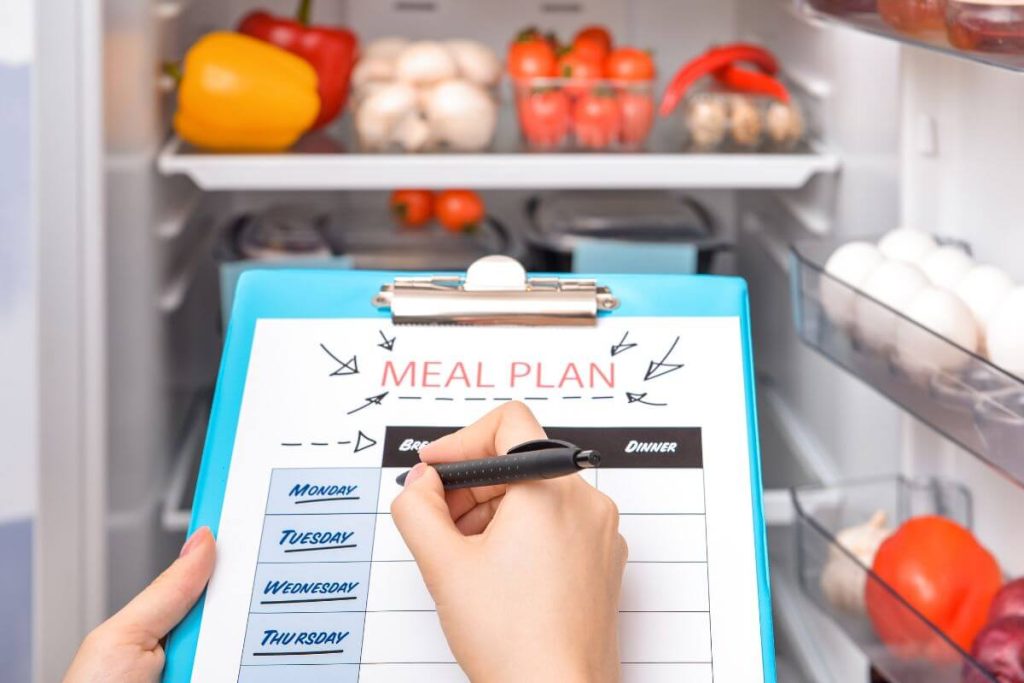
Following a structured meal plan can make gaining weight much easier for picky eaters. It ensures that you consistently consume enough calories and essential nutrients without forcing yourself to eat foods you dislike. The key is to combine familiar favorites with small additions of nutrient-rich ingredients, creating meals that are both enjoyable and calorie-dense. Eating balanced meals throughout the day, along with healthy snacks, can help gradually increase your weight while supporting muscle growth, energy levels, and overall health.
Breakfast Ideas
- Smoothies: Blend milk or yogurt with fruits like bananas, berries, or mangoes. Add peanut butter, oats, or protein powder for extra calories and nutrients.
- Oatmeal: Cook oats with milk instead of water, and top with nuts, seeds, dried fruits, or honey to increase calories and flavor.
- Fortified Cereals: Choose cereals fortified with protein and vitamins, and serve with milk or yogurt. Add fruits, nuts, or a spoonful of nut butter for added calories.
Lunch Ideas
- Wraps and Sandwiches: Use whole-grain bread or tortillas and fill with eggs, lean meats, cheese, hummus, or avocado. Add veggies in small amounts if you are a picky eater.
- Pasta Dishes: Cook pasta with tomato sauce, cheese, or lean meat. Add vegetables gradually or finely chop them to make them less noticeable.
- Rice Bowls: Combine rice with chicken, beans, or tofu, and drizzle with olive oil or a mild sauce for extra calories.
Dinner Ideas
- Protein and Veggie Combos: Grilled chicken, fish, or eggs paired with mashed potatoes, rice, or pasta. Add a small portion of soft-cooked vegetables.
- Casseroles and One-Pot Meals: Meals like mac and cheese with added vegetables or chicken are easy to eat and calorie-rich.
- Stir-Fries: Lightly cook proteins with favorite sauces and minimal vegetables for flavor without overwhelming picky eaters.
Snacks and Calorie Boosters
- Nuts and seeds like almonds, cashews, or sunflower seeds
- Nut butter on toast, rice cakes, or crackers
- Yogurt with honey, granola, or fruit
- Cheese cubes or string cheese
- Protein or fruit smoothies between meals
Recommended: Is Weight Gain Before Period Normal?
Meal Prep Tips for Consistency
For picky eaters, consistency is the most important thing for healthy weight gain. Planning meals ahead of time makes it easier to stick to your meal plan, lowers stress around eating, and makes sure you get enough calories and nutrients every day. You can keep making progress without getting bored or overwhelmed with your food choices if you use simple meal prep tips.
- Plan Your Meals in Advance: Decide your meals and snacks for the week ahead. Planning ahead ensures you have all the ingredients you need and reduces the chances of skipping meals or resorting to low-calorie options.
- Batch Cook Staples: Prepare large portions of staple foods like rice, pasta, oatmeal, or grilled proteins in advance. Store them in the fridge or freezer and use them throughout the week to save time and make assembling meals easier.
- Portion Your Meals and Snacks: Divide your meals and snacks into portions using containers. This makes it simple to grab a ready-to-eat meal, helps monitor calorie intake, and ensures you are consistently eating enough to support weight gain.
- Mix and Match Ingredients: Prepare ingredients that can be combined in different ways, such as cooked chicken, roasted vegetables, or quinoa. This variety keeps meals interesting and prevents boredom, which is especially helpful for picky eaters.
- Use Calorie-Dense Additions: Keep ingredients like nuts, seeds, nut butter, cheese, and olive oil on hand to quickly boost the calorie content of any meal. Adding these small touches makes it easier to reach daily calorie goals without eating excessively large portions.
- Set a Regular Eating Schedule: Try to eat at roughly the same times every day. A consistent schedule trains your appetite and helps ensure you are consuming enough calories across all meals and snacks.

Managing Low Appetite
Low appetite is a common challenge for picky eaters trying to gain weight. Eating large meals can feel overwhelming, making it difficult to consume enough calories and nutrients. One effective strategy is to eat smaller, more frequent meals throughout the day. By having 5 to 6 mini-meals or snacks, you can steadily increase calorie intake without feeling overly full or uncomfortable.
Choosing calorie-dense foods is another key strategy. Foods like nuts, seeds, nut butter, cheese, avocados, dried fruits, and smoothies provide more calories in smaller portions, making it easier to meet daily energy needs. Drinking nutrient-rich shakes or smoothies can also help, as they deliver calories and essential nutrients in a form that is easier to consume when appetite is low.
Recommended: Uneven Weight Gain After Liposuction
Making meals appealing and following a consistent eating schedule can further improve appetite. Presentation, flavor, and texture make a difference, so experiment with spices, sauces, or garnishes to make food more enjoyable. Drinking fluids in moderation before meals and eating at regular times each day can train your body to expect food, gradually increasing natural hunger. With these strategies, even picky eaters with low appetite can steadily and healthily gain weight.
Conclusion
Gaining weight as a picky eater can feel challenging, but it is entirely possible with the right approach. By focusing on nutrient-rich foods, incorporating calorie-dense meals and snacks, and following a consistent eating plan, you can increase your weight in a healthy and sustainable way. Small, gradual changes, combined with practical strategies, make the process easier and more enjoyable.
Meal planning, meal prep, and tracking your progress are essential tools for success. Even if you struggle with low appetite or food aversions, there are simple ways to work around these challenges and still meet your calorie and nutrient goals. Consistency, creativity, and patience are key.
Ultimately, the goal is not just to gain weight but to support overall health, energy, and wellbeing. By applying these tips and strategies, picky eaters can achieve healthy weight gain while enjoying their meals and building habits that benefit their long-term health.