
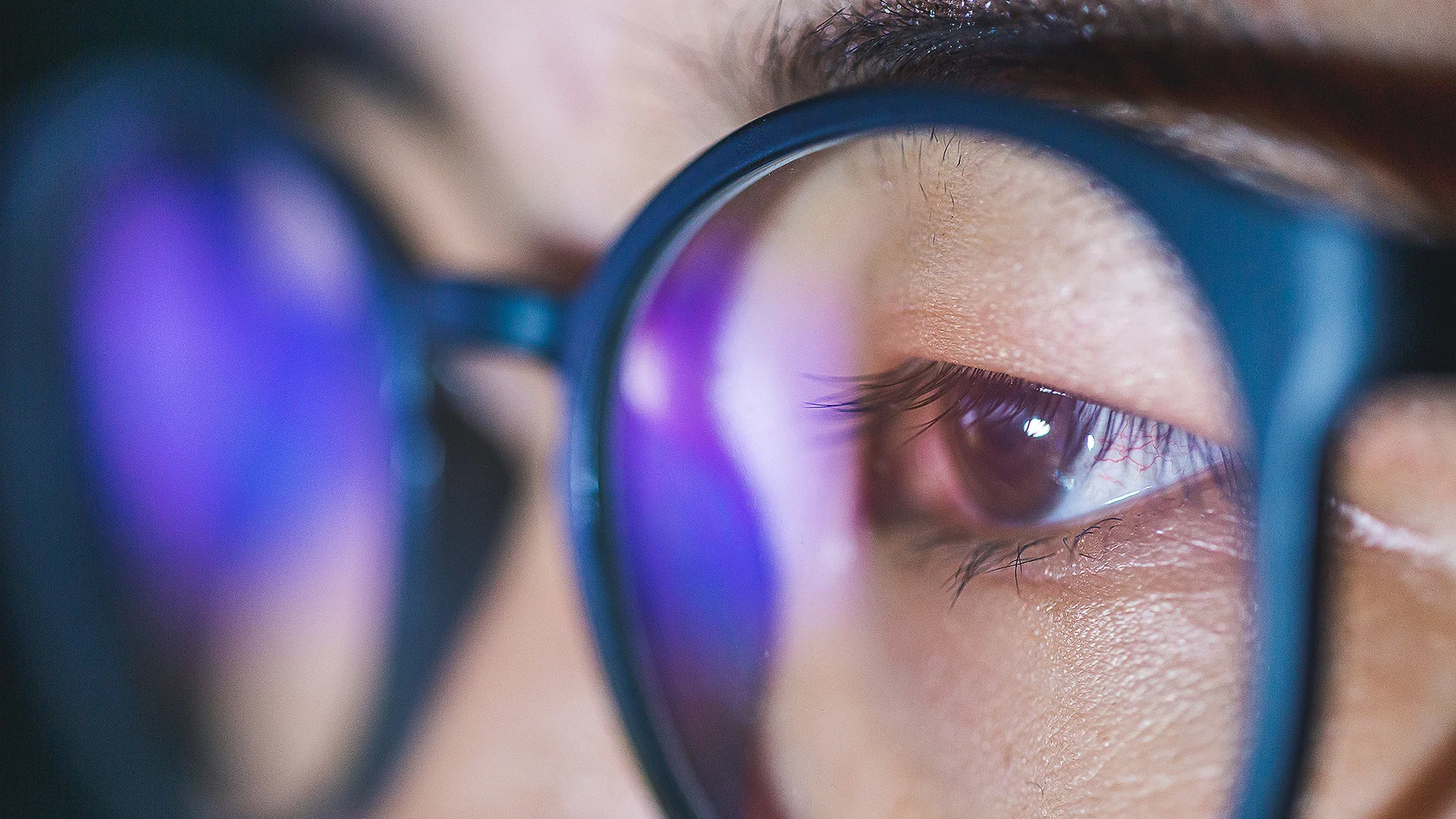
Blue Light Blocking is a popular way to get better sleep, especially now that screens are everywhere. After using phones, tablets, or computers late at night, a lot of people have trouble falling asleep. Researchers say that blue light can mess with melatonin production, which is the hormone that controls sleep. This could throw off the body’s natural circadian rhythm. Because of this, things like blue light blocking glasses, screen filters, and device settings have become popular because they might help people sleep better.
Researchers and sleep experts, on the other hand, still disagree on how well blue light blocking works. Some studies show that sleep quality gets a lot better, while others say it doesn’t change much. The timing of exposure, how long it lasts, and how sensitive a person is can all affect the results.
Here, we will look into the science behind blue light, look at the proof for blue light blockers, and give you some tips on how to sleep better.
How Does Blue Light Affects Sleep
Blue light affects sleep by messing with the body’s natural circadian rhythm, which tells the body when to sleep and when to wake up. When you are exposed to blue light at night, it sends signals to the brain that are like those of daylight. This keeps the body awake when it should be getting ready to sleep.

Melatonin is the hormone that makes you sleepy, and this type of light stops the body from making it. When melatonin levels stay low, it can be harder to fall asleep and you may not sleep as long. Continued exposure can also change the body’s internal clock, which can cause sleep problems.
Recommended: Natural Ways to Wake Up Without an Alarm Clock
Long-term exposure to blue light before bed has been linked to delayed sleep onset and lower sleep quality. Screens from phones, tablets, and computers are common sources, so using screens at night is a big reason why people don’t sleep well these days.
What is Blue Light Blocking?
Blocking blue light means cutting down on the amount of blue light that comes from electronic devices, LED lights, and digital screens. Blue light is a type of visible light with a lot of energy. It can help you stay awake, but if you are exposed to it late in the day, it can mess up your body’s natural sleep cycle.
Too much blue light can lower melatonin levels, which is the hormone that tells the body to get ready for sleep. This disruption may delay sleep onset and affect overall sleep quality, especially for people who use their phones, laptops, or tablets for long periods of time at night.
You can block blue light with things like blue light blocking glasses, screen filters, and device settings that lower the amount of blue light they give off. These methods are meant to help your circadian rhythms stay healthy, ease eye strain, and help you sleep better.
Blue Light Blocking Technology
Blue light blocking technology includes tools and solutions designed to reduce the amount of blue light reaching the eyes from digital screens and artificial lighting. These technologies aim to limit the impact of blue light on circadian rhythm and melatonin production, especially during evening hours. The main technologies involved include:
- Blue Light Blocking Glasses: Specially designed lenses filter out specific wavelengths of blue light, reducing the amount that reaches the eyes during screen use or nighttime activities.
- Screen Filters and Protectors: Physical screen covers applied to phones, tablets, or computers that reduce blue light emission while maintaining screen visibility.
- Software-Based Blue Light Filters: Applications and built-in device settings, such as night mode or blue light reduction tools, that adjust screen color temperature to warmer tones.
- Adaptive Lighting Technology: Smart lighting systems that change brightness and color temperature based on time of day to limit blue light exposure in the evening.
- Blue Light–Reduced Displays: Screens engineered with hardware-level modifications to emit lower levels of blue light without significantly altering color quality.
Recommended: Can Red Light Therapy Cause Cancer?
Does Blue Light Blocking Really Help Sleep Quality?
Yes, blocking blue light can help you sleep better by limiting your exposure to artificial light that messes with your body’s natural sleep cycle. Blue light lowers the amount of melatonin your body makes, so limiting your exposure to it at night may help you fall asleep faster.

The results of studies are mixed. Some show that people fall asleep a little faster, while others show that the overall quality of sleep doesn’t change much. The effect usually depends on things like how often you use screens, when you are exposed to them, and how sensitive you are to light.
When used with good sleep habits, blue light blocking works best. Lowering screen brightness, cutting down on screen time before bed, and sticking to a regular sleep schedule usually have a bigger effect on sleep quality than just blocking blue light.
When to Use Blue Light Blockers
Blue light blockers work best when you use them in the evening or at night, especially 2 to 3 hours before bed. This is when artificial light from phones, computers, and TVs can stop melatonin from being made and make it harder to fall asleep.
They can also help when you use screens for a long time at night, like when you work late on a computer or study, to ease eye strain and fatigue.
Recommended: Gallbladder And Sleep Problems: All You Need To Know
Blue light exposure is usually good for mood and alertness during the day, so blue light blockers are usually not needed unless screens are really bothering your eyes.
Potential Downsides of Blue Light Blockers
It is important to note that while blue light blockers can help some people, they are not a guaranteed solution for better sleep and may have drawbacks.
- Limited effectiveness: Blue light blocking tools do not consistently improve sleep quality for everyone, especially if screen time and bedtime habits are not managed.
- Over-reliance: Relying too much on glasses or filters may encourage prolonged screen use at night, which can still negatively affect sleep due to mental stimulation and brightness.
- Visual discomfort or color distortion: Tinted lenses may change color perception, reduce screen clarity, and in some cases cause eye strain or headaches during extended use.
- Cost: High-quality blue light blocking glasses or screen filters can be expensive, which may not justify the limited benefits for some users.
- Inconsistent quality: Not all blue light blocking products filter light effectively, and cheaper options may provide minimal protection.
- False sense of security: Users may assume that wearing blue light blockers alone is enough for better sleep, ignoring other important factors like screen time limits, room lighting, and sleep hygiene.
- Aesthetic or style concerns: Some people may find the tinted lenses unattractive or inconvenient for daily wear, which can reduce consistent use.
- Potential interference with daytime alertness: Wearing blue light blockers during the day may slightly reduce alertness or color accuracy in tasks requiring precise visual perception.
Practical Tips for Better Sleep
Limit screen time before bed
Avoid using phones, tablets, computers, or watching TV at least 1to 2 hours before sleeping. The blue light from these devices can suppress melatonin production, making it harder to fall asleep. Instead, consider reading a physical book or listening to calming music.
Use Blue Light Blockers Strategically
Wear blue light blocking glasses or enable night mode and blue light filter apps on devices in the evening. These tools can reduce the impact of artificial light on your circadian rhythm and help your body prepare for sleep.
Maintain a Consistent Sleep Schedule

Going to bed and waking up at the same time every day helps regulate your body’s internal clock. Consistency, even on weekends, strengthens your sleep-wake cycle and makes falling asleep easier.
Create a Sleep-Friendly Environment
Keep your bedroom dark, quiet, and cool. Use blackout curtains to block outside light, a fan or white noise machine to mask disruptive sounds, and set the temperature to a comfortable, slightly cool level to encourage restful sleep.
Practice Relaxation Techniques
Engage in calming activities before bed, such as meditation, deep breathing exercises, light stretching, or journaling. These activities help reduce stress and signal to your body that it’s time to wind down.
Recommeded: Are There Weighted Blankets For Hot Weather?
Watch Caffeine and Heavy Meals
Avoid consuming caffeine, energy drinks, or heavy, spicy meals in the evening. These can stimulate your body or cause discomfort, making it harder to fall asleep and stay asleep.
Get Natural Sunlight During The Day
Exposure to daylight, especially in the morning, helps regulate your circadian rhythm, improves alertness during the day, and supports better sleep quality at night. Spending at least 20 to 30 minutes outside daily can be beneficial.
Incorporate Regular Exercise
Engaging in physical activity during the day can improve sleep quality and reduce insomnia symptoms. However, avoid intense workouts right before bedtime, as they may temporarily increase alertness.
Limit Naps, Especially Late in the Day
Short naps (20 to 30 minutes) earlier in the afternoon can be refreshing, but long or late-day naps may interfere with nighttime sleep.
Establish a Bedtime Routine
Develop a set of pre-sleep rituals such as dimming lights, taking a warm shower, or practicing light reading. Consistent routines signal to your body that bedtime is approaching and help improve sleep onset.
Conclusion
Screens and artificial lighting that give off blue light can make it harder to sleep by messing with the body’s natural circadian rhythm and melatonin production. Some people may find it easier to fall asleep with blue light-blocking tools like glasses, screen filters, and night mode settings, but they are not a sure thing.
How well something works often depends on your habits, when you use screens, and how well you sleep in general. The best way to improve sleep quality is to use blue light blockers along with regular sleep schedules, less time spent in front of screens at night, a relaxing environment before bed, and healthy habits.