
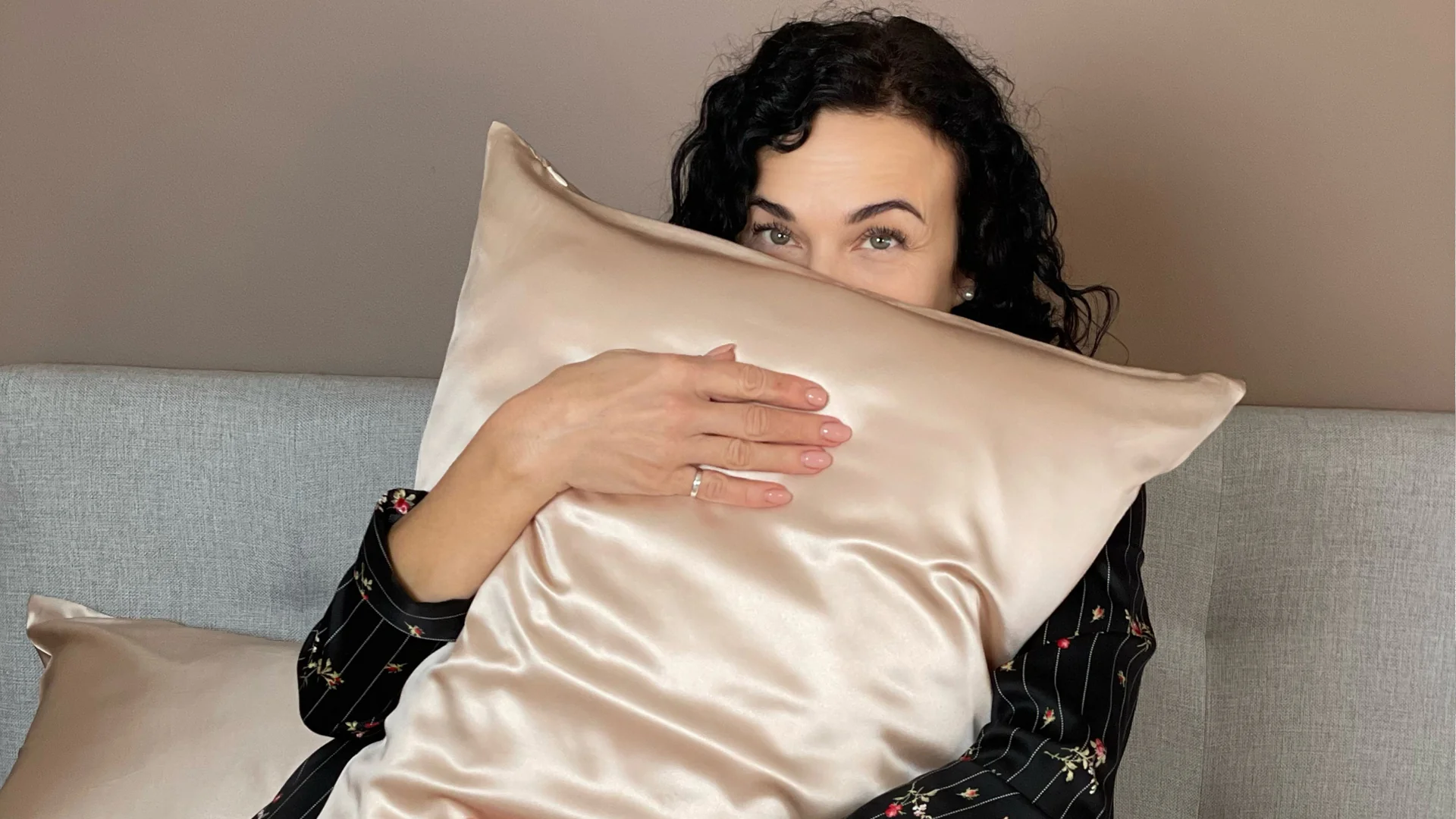
Silk pillowcase benefits for acne-prone skin have gained attention in skincare and dermatology due to the fabric’s unique properties. Silk is different from regular cotton because it has a smooth, non-absorbent surface that cuts down on friction, irritation, and the transfer of oil and bacteria while you sleep. These traits make silk a great choice for people with skin that breaks out, gets inflamed, or is sensitive.
Silk pillowcase use supports healthier skin by helping maintain moisture balance, protecting the skin barrier, and reducing external triggers that worsen acne. The fabric’s hypoallergenic nature and gentle texture further contribute to improved skin comfort and recovery overnight.
Here, we will explore the benefits of silk pillowcases for acne-prone skin, how they compare to other materials, and how choosing the right silk pillowcase can support clearer, healthier skin.
What Makes Silk Pillowcases Different From Cotton Pillowcases?
Silk pillowcases differ from cotton pillowcases mainly in texture, absorbency, and how they interact with the skin, factors that matter greatly for acne-prone skin.

Silk has a very smooth fibre structure that does not rub against the face much while you sleep. Silk is smoother than cotton, which has a rougher weave. This makes it easier for the skin to move, which reduces irritation, redness, and micro-tears that can make acne worse.
Recommended: Best Body Wash That Doesn’t Leave Soap Scum
Another big difference is how well they soak up water. Cotton pillowcases soak up oil, moisture, and even skin care products from the skin. This can dry out skin that is prone to acne overnight, which can cause the skin to make too much oil, which can clog pores. Silk, on the other hand, doesn’t soak up as much oil and moisture, which helps the skin keep its natural moisture balance.
Silk is also naturally hypoallergenic and resistant to dust mites and bacteria, making it a cleaner sleeping surface. Cotton pillowcases tend to trap bacteria, sweat, and dead skin cells, which can contribute to breakouts if not washed frequently.
Overall, while cotton pillowcases are affordable and common, silk pillowcases offer a gentler, cleaner, and more skin-friendly option, especially for those struggling with acne, sensitivity, or inflammation.
How Silk Pillowcases Help Prevent Acne Breakouts
Silk pillowcases help prevent acne breakouts by reducing common sleep-related triggers such as friction, oil buildup, and bacteria exposure. Their smooth and skin-friendly properties make them a better option for acne-prone skin.
- Reduced Friction on the Skin: Silk’s smooth surface minimizes rubbing against the face during sleep, helping to prevent irritation, inflammation, and the worsening of active acne.
- Less Oil and Product Absorption: Unlike cotton, silk absorbs less oil, sweat, and skincare products, reducing the chances of clogged pores and breakouts.
- Lower Bacterial Transfer: Silk is naturally resistant to bacteria, dust mites, and allergens, helping to keep the sleep surface cleaner for acne-prone skin.
- Supports Skin Barrier Health: By reducing irritation and moisture loss, silk helps maintain the skin’s natural barrier, which is essential for preventing acne flare-ups.
- Gentle on Sensitive and Inflamed Skin: Silk is ideal for sensitive or acne-inflamed skin, as it does not aggravate redness or cause additional irritation during sleep.
Benefits of Silk Pillowcases for Acne-Prone Skin
For individuals with acne-prone skin, even small changes in your sleep routine can make a noticeable difference. One often overlooked factor is your pillowcase. Silk pillowcases offer numerous advantages that help reduce breakouts, irritation, and inflammation while supporting healthier, more resilient skin overnight.
Reduces Friction and Skin Irritation
Silk’s ultra-smooth texture minimizes rubbing against the face as you move during sleep. Cotton pillowcases have a rougher weave that can pull and tug at the skin, causing micro-tears, redness, and inflammation. For acne-prone skin, this gentle friction reduction helps prevent the worsening of active breakouts and reduces skin stress overnight.
Recommended: How to Lighten Dark Private Parts Naturally
Absorbs Less Oil, Sweat, and Skincare Products

Cotton tends to soak up natural facial oils, sweat, and skincare products, which can clog pores and lead to breakouts. Silk absorbs significantly less, helping to maintain your skin’s natural moisture balance while preventing excess oil and product residue from sitting on your skin and triggering acne.
Lower Risk of Bacteria and Allergen Transfer
Silk is naturally hypoallergenic and resistant to dust mites, bacteria, and allergens. This makes your sleep surface cleaner and reduces the chance of acne-causing bacteria transferring back onto your skin. Regular pillowcase changes are important, but silk provides an added layer of protection for sensitive, acne-prone skin.
Supports the Skin Barrier and Hydration
A healthy skin barrier is crucial for preventing breakouts and inflammation. Silk helps reduce moisture loss and irritation, allowing your skin to maintain hydration and repair itself overnight. Well-hydrated skin is less prone to excess oil production, which can otherwise clog pores and worsen acne.
Gentle on Sensitive or Inflamed Skin
If your acne is inflamed or your skin is sensitive, rough fabrics can aggravate irritation. Silk is soft and soothing, making it ideal for those with cystic or hormonal acne. It allows your skin to rest and recover without additional mechanical stress from tossing and turning at night.
Prevents Sleep Lines and Facial Creases
Sleeping on rougher fabrics can create lines and creases on the skin. Over time, these sleep lines can contribute to uneven skin texture and make acne scars or marks more noticeable. Silk pillowcases reduce pressure marks, keeping skin smoother and healthier in the long term.
Recommended: Living with Dermatographia: What to Know
Helps Maintain Overall Skin Health
By combining friction reduction, less oil absorption, bacterial resistance, and improved hydration, silk pillowcases create a protective environment that supports overall skin health. They can reduce the frequency of breakouts, enhance skin repair, and promote a smoother, clearer complexion.
Long-Term Cost-Effectiveness for Skin Care
While silk pillowcases can be more expensive upfront, investing in a high-quality silk pillowcase may save money in the long run. Less irritation, fewer breakouts, and healthier skin can reduce spending on acne treatments and skincare products over time.
How to Choose the Best Silk Pillowcase for Acne‑Prone Skin
Choosing the right silk pillowcase makes a big difference for acne‑prone skin. Not all silk pillowcases are created equal and selecting one with the proper quality weave and material can improve your sleep routine and skin health. Here are the key factors to consider:
1. Look for Real Mulberry Silk
Mulberry silk is the highest quality silk available. It comes from domesticated silkworms raised on a consistent diet which creates long smooth fibers that feel soft and luxurious. This reduces friction on the skin better than synthetic fabrics or lower grade silks making it ideal for sensitive acne‑prone skin.
2. Choose High Momme Weight

If you have acne-prone skin, it’s important to keep your silk pillowcase clean because oils, sweat, bacteria, and leftover skincare products can build up overnight and cause breakouts. Washing your pillowcase often keeps your sleeping area cleaner and protects your skin. Most people should wash their silk pillowcases at least once a week.
3. Prioritize Natural Silk Over Satin
Satin and silk may look similar but satin is often made from polyester or rayon and does not offer the same benefits as real silk. Natural silk pillowcases provide better breathability less static and superior skin comfort. Always check the label to ensure it says 100 percent Mulberry silk.
Recommended: Are There Weighted Blankets For Hot Weather?
4. Check for Hypoallergenic Qualities
Silk is naturally hypoallergenic but some pillowcases contain dyes or chemical finishes that can irritate sensitive skin. Look for pillowcases labeled dye free chemical free and OEKO‑TEX certified to reduce the risk of reactions.
5. Consider Closure Style and Fit
Silk pillowcases come with different closures like envelope zipper or flap styles. A secure closure keeps your pillow fully covered preventing oils and dirt from transferring to the inner pillow. Make sure the pillowcase fits your pillow snugly to avoid bunching or sliding while you sleep.
6. Choose Light Colors or White
Darker colors can sometimes bleed dyes during washing which may irritate sensitive skin if residue remains. Light or white silk pillowcases are less likely to have strong dyes and provide a fresher cleaner surface for your face.
7. Easy Care and Washing Instructions
Silk requires gentle care to maintain its benefits. Look for pillowcases that come with clear washing instructions and are machine washable on a gentle cycle with mild detergent. Regular cleaning helps remove oils sweat and product residue which is important for acne-prone skin.
8. Budget and Longevity
High quality silk pillowcases are an investment but they last longer and maintain their skin friendly benefits better than cheaper alternatives. Consider cost per wear when making your choice and prioritize long lasting quality over the lowest price.
9. Read Reviews from People With Acne‑Prone Skin
Customer reviews give real insights into how a silk pillowcase performs for those with sensitive or acne-prone skin. Look for reviews focused on skin comfort clarity improvements and durability.
How Often Should You Wash Silk Pillowcases for Acne Prevention

If you have acne-prone skin, it is important to keep your silk pillowcase clean because oils, sweat, bacteria, and leftover skincare products can build up overnight and cause breakouts. Washing your pillowcase often keeps your sleeping area cleaner and protects your skin. Most people should wash their silk pillowcases at least once a week.
Recommended: Can Red Light Therapy Cause Cancer?
It’s a good idea to wash your pillowcase every three to four days if you sweat a lot at night, use thick skincare products, or have active acne. Using a mild detergent that is good for your skin on a gentle cycle with cold water helps keep the silk fibres safe and the fabric soft and smooth. Another great way to take care of it is to wash it by hand.
After washing, air dry your silk pillowcase away from direct sunlight and avoid twisting or wringing it. Even though silk naturally resists bacteria and allergens, maintaining a regular washing routine, along with clean bedding and a proper skincare regimen, will help prevent breakouts and keep your skin healthier over time.
Conclusion
Silk pillowcases are more than just a little bit of luxury. They really help skin that is prone to acne and is sensitive. Silk makes the sleep environment healthier by reducing friction, absorbing less oil, fighting bacteria, and supporting hydration. This can help prevent breakouts and calm irritation. To get the most out of these benefits, choose a high-quality pillowcase, wash it often, and use a good skincare routine. Buying a silk pillowcase is a simple but effective way to get clearer, calmer, and healthier skin while you sleep.