
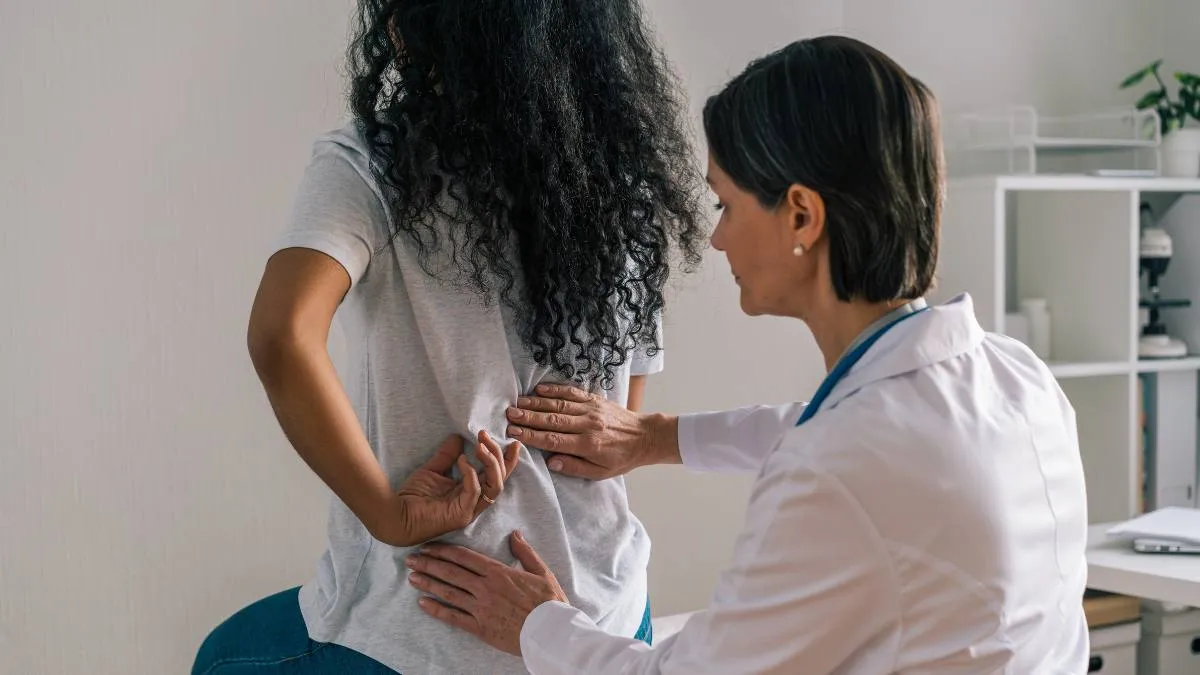
Bone Density Test is an essential screening tool that helps assess the strength and health of a woman’s bones, especially as she ages. It provides valuable insight into bone mineral density and helps detect early signs of bone loss before serious complications occur. For many women, maintaining strong bones is closely linked to overall health, mobility, and independence.
As women grow older, hormonal changes, particularly the decline in estrogen levels, can lead to a gradual weakening of bones. This makes women more vulnerable to conditions like osteoporosis, which often develops silently without noticeable symptoms until a fracture happens. Because of this, understanding the importance of timely screening becomes crucial.
One of the most common questions many women ask is when they should begin getting a bone density test. While general guidelines recommend a specific age, individual health factors can influence the need for earlier or more frequent testing. Factors such as lifestyle, medical history, and family background all play a role in determining the right time to start.
In addition to age, certain risk factors can increase the likelihood of bone loss. These include poor nutrition, low calcium intake, lack of physical activity, smoking, excessive alcohol consumption, and the use of certain medications. Recognizing these risks early can help women take proactive steps toward protecting their bone health.
A bone density test is a simple and non invasive procedure that can provide critical information about a woman’s bone health status. The results can guide healthcare providers in recommending lifestyle changes, supplements, or treatments to prevent further bone loss and reduce the risk of fractures.
In this article, we will discuss the right age for women to get a bone density test, the risk factors that may require earlier screening, how the test works, and what the results mean for overall health.
Why Bone Health Matters for Women
Bone health matters for women because their bones are more sensitive to hormonal changes, especially the decline in estrogen as they age. This hormone plays a key role in maintaining bone strength, and its reduction can lead to faster bone loss. As a result, women are more prone to conditions like Osteoporosis and Osteopenia, which often develop silently until a fracture occurs.

Strong bones are essential for supporting the body, protecting vital organs, and allowing smooth movement. When bone density decreases, even minor falls or everyday activities can result in fractures, particularly in the hips, spine, and wrists. These injuries can greatly affect a woman’s mobility, independence, and overall quality of life.
Recommended: What Are Three Things a Bone Density Test Can Identify?
Maintaining good bone health also helps prevent long term complications such as chronic pain and disability. By focusing on proper nutrition, regular exercise, and early screening, women can reduce their risk of bone related conditions and stay active and healthy as they age.
Recommended Age for Bone Density Testing for Women
The recommended age for most women to begin a bone density test is 65 years. At this stage, the risk of developing bone related conditions such as Osteoporosis significantly increases due to natural aging and reduced estrogen levels. Routine screening at this age helps detect bone loss early and allows for timely treatment and prevention of fractures.
However, some women may need to get tested earlier, often between the ages of 50 and 64, depending on their individual risk factors. These may include a family history of osteoporosis, early menopause, low body weight, smoking, excessive alcohol intake, or long term use of medications like corticosteroids. In such cases, early screening can help identify potential issues before they become severe.
For women under 50, bone density testing is not typically required unless there are strong medical reasons. Conditions such as hormonal disorders, previous fractures from minor injuries, or chronic illnesses may prompt a healthcare provider to recommend testing at a younger age.
Ultimately, the right age to begin bone density testing varies from person to person. It is important for women to consult with a healthcare professional who can assess their risk factors and recommend a screening plan tailored to their specific health needs.
Recommended: Can Dexa Scan Show Cancer?
Risk Factors That May Require Earlier Testing
While many women are advised to begin bone density testing at age 65, certain risk factors may make it necessary to start earlier. These factors can increase the likelihood of developing bone loss and related conditions such as Osteoporosis and Osteopenia, even before the typical screening age.

Here are the main risk factors:
- Family History: A parent or close relative with osteoporosis or fractures increases the likelihood of early bone loss. Genetics play a significant role in bone strength.
- Hormonal Changes: Early menopause, irregular menstrual cycles, or hormonal disorders can accelerate bone loss due to lower estrogen levels, which are crucial for maintaining strong bones.
- Lifestyle Factors: Poor nutrition (low calcium and vitamin D), lack of physical activity, smoking, and excessive alcohol intake can all weaken bones over time.
- Medications: Long term use of corticosteroids or certain other medications can reduce bone density and increase fracture risk.
- Medical Conditions: Chronic illnesses such as thyroid disorders, gastrointestinal diseases, or conditions affecting nutrient absorption can contribute to weaker bones.
- History of Fractures:: Experiencing fractures from minor injuries or low impact events is a strong indicator of compromised bone strength.
Identifying these risk factors early allows women to take proactive steps to maintain strong bones, including lifestyle adjustments, supplementation, and medical consultation.
Bone Density Testing for Women Under 50
Bone density testing is generally not recommended for women under 50 unless there are specific risk factors or medical conditions that increase the likelihood of bone loss. Most younger women have sufficient bone strength, and routine screening is usually unnecessary. However, early detection can be crucial for those at higher risk.
Recommended: DEXA Scan vs Standard Bone Density Test
Women under 50 may need a bone density test if they have experienced early menopause, hormonal disorders, or medical conditions that affect bone health. Long term use of certain medications, such as corticosteroids, can also make early testing important. Additionally, a family history of osteoporosis or previous fractures from minor injuries may prompt a doctor to recommend screening.
Even for younger women, maintaining bone health through proper nutrition, regular exercise, and lifestyle choices remains essential. Bone density testing in this age group helps identify potential problems early, allowing for preventive measures to reduce the risk of fractures and long term bone loss as they age.
How Often Should Women Get Tested?
The frequency of bone density testing depends on a woman’s age, risk factors, and previous test results. If a woman has normal bone density, she should usually be retested every 5 to 10 years. This lets doctors keep an eye on how bone strength changes over time and spot early signs of bone loss.

Women diagnosed with osteopenia or other risk factors may need to be tested more frequently, usually every 2 to 3 years. Regular monitoring helps track the progression of bone loss and ensures timely intervention with lifestyle changes, supplements, or medications if needed.
For women with osteoporosis or those receiving treatment for bone loss, healthcare providers may recommend testing every 1 to 2 years. The goal is to evaluate how well treatments are working and make adjustments as necessary to maintain bone strength and prevent fractures.
Recommended: Strength Training for Seniors With Medical Supervision
Signs You May Need a Bone Density Test Sooner
While age and general risk factors guide most recommendations for bone density testing, certain warning signs may indicate the need for earlier screening. Recognizing these signs can help women detect bone loss before serious complications, such as fractures or long term mobility issues, occur.
- Frequent Fractures or Injuries: Experiencing fractures from minor falls, bumps, or everyday activities may suggest weakened bones, even in younger women. Repeated fractures in areas like the wrist, hip, or spine are especially concerning and warrant early evaluation.
- Loss of Height or Stooped Posture: A noticeable decrease in height over time or a curved spine can indicate compression fractures in the vertebrae, which are common in conditions like Osteoporosis. These changes often develop gradually and may go unnoticed until significant bone loss has occurred.
- Chronic Back Pain: Persistent pain in the lower or mid back may be caused by small vertebral fractures or thinning bones. Unlike typical muscle pain, this type of pain may worsen with movement and can signal underlying bone weakness.
- Family History of Osteoporosis: Women with parents, grandparents, or siblings who had osteoporosis or fractures are at higher risk. Genetics play a significant role in bone density, and early testing can help identify issues before serious damage occurs.
- Early Menopause or Hormonal Changes: Women who experience menopause before age 45, irregular menstrual cycles, or other hormonal disorders that affect estrogen levels may lose bone density faster. Since estrogen helps maintain strong bones, any disruption can increase the risk of early bone loss.
- Lifestyle or Health Conditions: Certain lifestyle factors, like smoking, excessive alcohol use, low calcium or vitamin D intake, and physical inactivity, as well as medical conditions such as thyroid disorders or long term corticosteroid use, can increase the risk of weakened bones. Women with these factors may benefit from earlier screening.
Identifying these signs and risk factors early allows women to take proactive steps, including lifestyle changes, supplements, or medical treatment, to strengthen bones and reduce the likelihood of fractures and long term complications.
Conclusion
Bone density testing is a vital tool for maintaining strong and healthy bones, especially for women who are at higher risk of bone loss as they age. While routine screening is generally recommended around age 65, certain risk factors, lifestyle habits, and warning signs may require earlier testing. Understanding these factors empowers women to take proactive steps toward protecting their bone health.
A bone density test can help find problems early on, so you can take steps to avoid fractures and stay mobile, such as changing your diet, exercising regularly, taking supplements, or getting medical care. Long-term bone strength can be greatly affected by things like family history, hormonal changes, chronic pain, and lifestyle choices.
Ultimately, prioritizing bone health helps women stay active, independent, and healthy throughout their lives. Regular screenings, combined with healthy habits, provide the best defense against bone loss and ensure a stronger, safer future.