
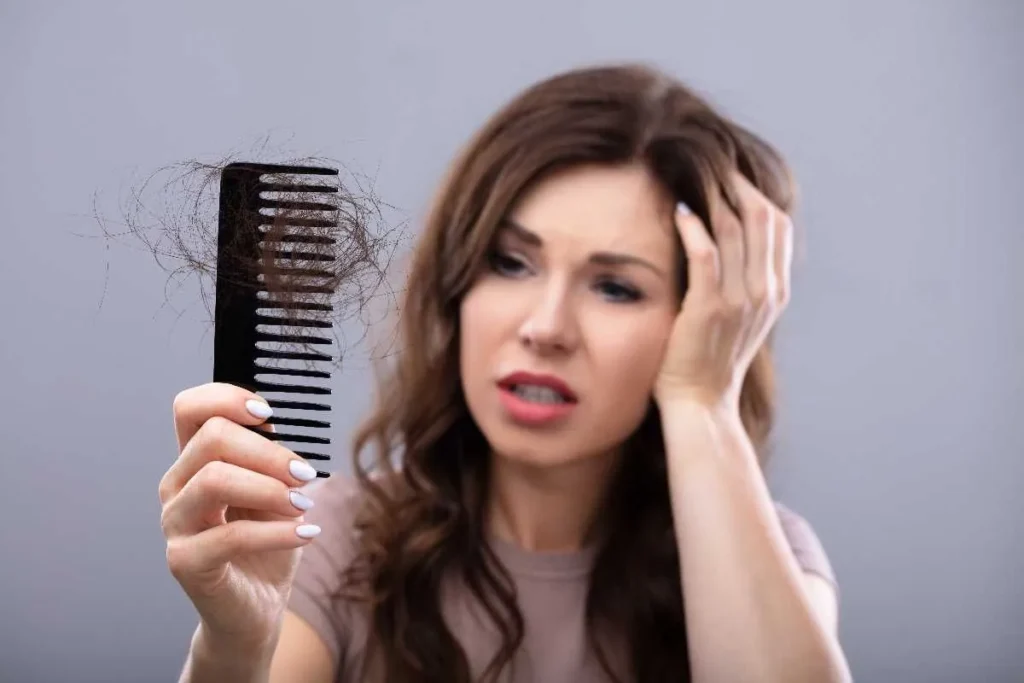
Thyroid problems are often one of the first things people think about when they notice unusual hair loss. This is because thyroid hormones play a major role in regulating the body’s metabolism, including the hair growth cycle. When the thyroid is underactive or overactive, it can lead to noticeable thinning or shedding of hair, which makes it a common suspect in hair loss cases.
However, it can be confusing and frustrating when the thyroid tests come back normal and the hair keeps falling out. In these instances, it is important to recognize that hair loss is affected by many things outside of thyroid health. Ongoing shedding can be caused by stress, nutritional deficiencies, hormonal changes, medical conditions and even lifestyle habits.
This article will help you explore the possible reasons behind hair loss even when thyroid tests are normal. We will look at common non-thyroid causes, hidden deficiencies, hormonal imbalances, scalp conditions, and when to seek medical help.
Understanding Hair Loss Even With Normal Thyroid Results
Thyroid problems are often the first thing people think of when it comes to hair loss since thyroid hormones play a role in metabolism and the hair growth cycle. If these hormones are not balanced properly, hair loss may occur and the thyroid is an easy suspect. But hair loss is a multi-faceted problem and normal thyroid tests do not always explain why shedding continues.

Hair has three growth stages, the growth stage, the resting stage and the shedding stage. Different hairs are at different stages in this cycle at any given time. When the body is upset, more hairs can enter the shedding phase at the same time, leading to visible thinning. This disruption does not have to be due to thyroid disease.
Recommended: Does Using Body Wash as Shampoo Damage Your Hair?
There are many other triggers that can cause this imbalance including stress, illness, hormonal changes, poor diet or even certain medications. These factors may cause the hair follicles to enter a resting phase earlier than normal, leading to increased hair loss weeks or months later.
Because of this, normal thyroid results should be seen as just one part of the bigger picture. Hair loss often requires a broader look at overall health, lifestyle, and possible hidden deficiencies before the real cause can be identified.
Common Hair Loss Types That Are NOT Caused by Thyroid Problems
Hair loss is often immediately associated with thyroid disorders, but many cases have entirely different causes. If thyroid tests are normal, then it is even more important to think about other common types of hair loss, which affect the scalp and hair growth cycle differently.
1. Telogen Effluvium (Stress or Shock-Related Shedding)
Telogen effluvium is one of the most common causes of sudden hair loss. It happens when a large number of hairs shift prematurely into the resting phase and then shed at the same time. Typical triggers include severe stress, fever, surgery, childbirth, weight loss, or emotional trauma. The shedding usually starts a few months after the trigger event, which makes it confusing to identify. The good news is that this type of hair loss is usually temporary once the trigger is corrected.
2. Androgenetic Alopecia (Genetic Hair Thinning)
Androgenetic alopecia is the most common form of permanent hair loss in both men and women. It is driven by genetic sensitivity to androgens rather than thyroid function. In women, it often appears as gradual thinning at the crown or widening of the part line. In men, it usually presents as receding hairline or bald spots. This type progresses slowly over time if untreated.
3. Alopecia Areata (Autoimmune Hair Loss)
Alopecia areata occurs when the immune system mistakenly attacks hair follicles. This leads to sudden patchy hair loss, often in small round areas. It can affect the scalp, eyebrows, or other body hair. The condition is unpredictable and may improve, worsen, or recur over time. It is not related to thyroid hormone levels in most cases, although autoimmune conditions can sometimes overlap.
Recommended: Collagen vs. Biotin for Hair Growth: Which Is Better?
4. Traction Alopecia (Hairstyle-Related Hair Loss)
This type of hair loss is caused by constant pulling or tension on the hair roots. Tight hairstyles such as braids, ponytails, wigs, or extensions can gradually damage follicles. It often starts along the hairline or temples and may become permanent if the tension continues for too long.
5. Scalp Conditions and Inflammation
Conditions like dandruff, seborrheic dermatitis, or fungal infections can disrupt the scalp environment and weaken hair follicles. Inflammation can increase shedding and reduce healthy hair growth over time. Even though these conditions do not affect thyroid hormones, they can significantly impact hair density and scalp health.
Medical Conditions That Can Cause Hair Loss Despite Normal Thyroid Tests
Hair loss can still occur even when thyroid function tests are normal because many other medical conditions affect the hair growth cycle. These conditions can influence hormones, blood supply, immune response, or nutrient delivery to hair follicles.

1. Iron Deficiency and Anemia
Iron deficiency anemia is one of the most common hidden causes of hair shedding. Even without full anemia, low ferritin levels can weaken hair follicles and trigger increased shedding. Hair may become thinner overall, and growth may slow down significantly. Many people with this condition mistakenly assume thyroid problems are responsible.
Recommended: Olive Oil, Cayenne Pepper, Lemon Juice, And Honey Benefits
2. Polycystic Ovary Syndrome (PCOS)
Polycystic ovary syndrome can cause hair thinning on the scalp while increasing hair growth in other areas like the face or body.
The excess androgens can shrink hair follicles over time, leading to pattern-like thinning that is not related to thyroid function.
3. Autoimmune Diseases
Conditions such as Lupus can trigger hair loss through inflammation and immune system activity. In lupus, hair loss may occur due to scalp inflammation, medication side effects, or systemic illness. Hair may also become brittle or break easily.
4. Chronic Infections or Systemic Illness
Long-term infections or ongoing inflammatory conditions can push the body into a stress state. When the body prioritizes healing essential organs, hair growth is often reduced or paused. This can lead to diffuse shedding similar to stress-related hair loss, even when thyroid levels are normal.
5. Skin and Scalp Diseases
Chronic scalp conditions such as severe dandruff, fungal infections, or inflammatory dermatitis can damage hair follicles over time. Inflammation on the scalp can block healthy growth and increase shedding, especially if left untreated for long periods.
Why Am I Losing Hair But Thyroid Tests Are Normal?
Hair loss can still happen even when thyroid test results are normal because thyroid function is only one part of the bigger picture. A normal result simply means your thyroid hormones are within the expected range at the time of testing, but it does not explain all the other factors that affect hair growth. Hair loss usually occurs when something disrupts the natural hair growth cycle, causing more hairs to enter the shedding phase than usual.
One of the most common causes is Telogen effluvium, which often happens after stress, fever, surgery, childbirth, or major changes in the body. Another possibility is Androgenetic alopecia, a genetic condition that causes gradual thinning over time and is not linked to thyroid problems. In some cases, autoimmune conditions like Alopecia areata can also lead to sudden or patchy hair loss even when thyroid levels are completely normal.
Other important causes include iron or vitamin deficiencies, hormonal imbalances such as PCOS, chronic stress, scalp infections, or certain medications. These issues can weaken hair follicles or disrupt growth without affecting thyroid function. The key point is that normal thyroid tests do not rule out hair loss; they only eliminate one possible cause, meaning a wider medical and lifestyle check is often needed to identify the real reason.
Recommended: Rapid Weight Loss And How It Affects Your Body.
When to See a Dermatologist or Trichologist
Hair loss is common, but there are times when it is no longer just a temporary or harmless issue. Knowing when to seek professional help can make a big difference in preventing further loss and improving recovery.

- You should see a dermatologist or trichologist if you notice sudden or heavy hair shedding that does not reduce after a few weeks.
- You should seek medical help if your hair is thinning noticeably, your hair part is widening, or your scalp is becoming more visible.
- You should get evaluated if hair loss continues for more than 2 to 3 months without improvement.
- You should see a specialist if you develop patchy hair loss or bald spots, which may suggest Alopecia areata.
- You should not ignore symptoms like scalp itching, pain, redness, flaking, or inflammation alongside hair loss.
- You should consult a professional if hair loss is accompanied by fatigue, irregular menstrual cycles, or sudden weight changes.
- You should see a dermatologist or trichologist if home treatments, oils, or over-the-counter products are not improving the condition.
- You should seek expert care if you are unsure of the cause of your hair loss and need proper diagnosis and treatment guidance.
Recommended: What is the Difference Between Fibromyalgia and Myofascial Pain Syndrome?
Treatment and Recovery Tips
Hair loss recovery depends on identifying the cause and supporting healthy hair regrowth with consistent care. Most cases improve when the underlying trigger is treated and the scalp is properly supported.
- Correct nutritional deficiencies: Low iron, vitamin D, zinc, or protein can weaken hair growth. Treating these deficiencies through diet or supplements helps restore normal hair cycling over time.
- Manage stress levels: High stress can trigger Telogen effluvium. Reducing stress through rest, sleep, and relaxation techniques can help stop excessive shedding.
- Use appropriate medical treatments: Conditions like Androgenetic alopecia may require treatments such as topical minoxidil or other doctor-prescribed therapies to slow progression and encourage regrowth.
- Treat scalp conditions early: Infections, dandruff, or inflammation can damage follicles. Medicated shampoos or prescribed treatments help restore a healthy scalp environment for growth.
- Avoid tight hairstyles and harsh treatments: Constant pulling, heat, or chemical treatments can worsen hair loss. Gentle hair care reduces breakage and protects weak follicles.
- Follow a consistent hair care routine: Regular washing, gentle detangling, and using mild products help maintain scalp health and support regrowth over time.
General Conclusion
Hair loss can still happen even when thyroid tests are normal because thyroid function is only one part of overall hair health. A normal result simply means your thyroid hormones are within range, but it does not rule out other common causes like stress, nutritional deficiencies, hormonal imbalance, or scalp conditions.
In many cases, hair loss is linked to conditions such as Telogen effluvium, genetic pattern thinning known as Androgenetic alopecia, or autoimmune-related loss like Alopecia areata. These conditions are not directly caused by thyroid problems, which is why thyroid tests alone may not explain what is happening.
The most important step is to look at the bigger picture of your health. Identifying triggers early, correcting deficiencies, managing stress, and getting proper medical evaluation can significantly improve recovery. With the right approach, most types of hair loss can be slowed down, managed, or even reversed depending on the cause.