
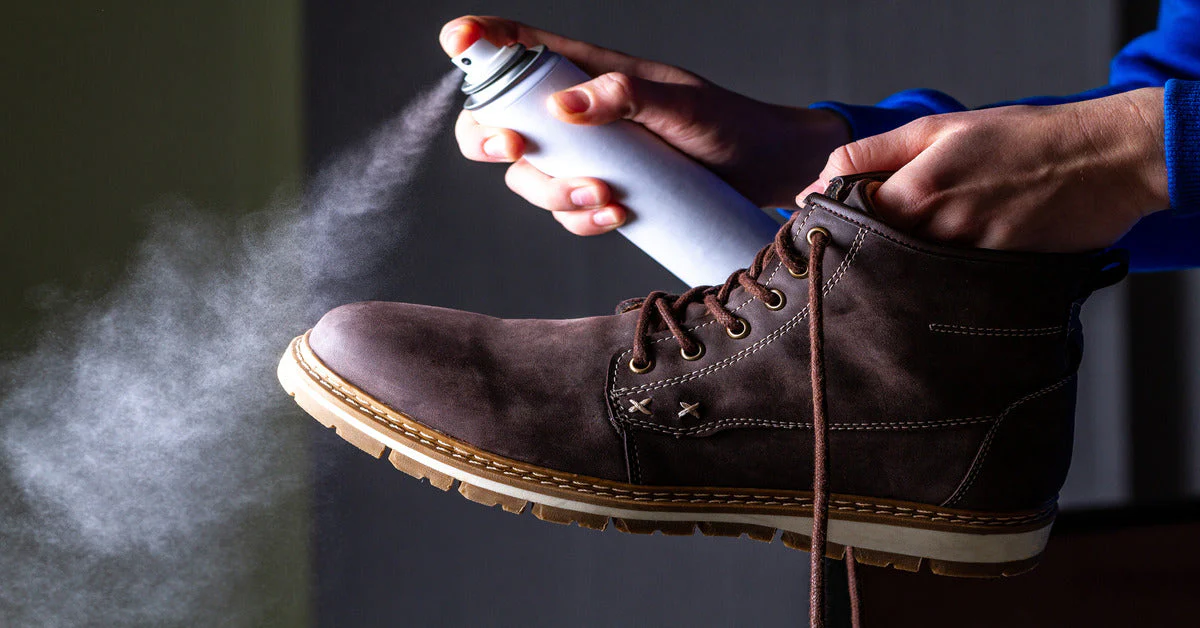
Work boots often carry a reputation for being tough, durable, and built for hard work, but they also come with an unpleasant downside that many people deal with after long hours of use. One of the most common complaints is a strong, rotten cheese-like smell that seems to linger no matter what you do. This odor can be embarrassing and frustrating, especially when it starts to affect your confidence in social or work settings.
At first, it may seem like the problem is just dirt or poor shoe quality, but the real cause goes much deeper. Work boots create the perfect environment for odor because they trap heat, sweat, and moisture for long periods. When this happens, bacteria begin to break down the sweat inside the boots, producing strong and unpleasant smells that can intensify over time.
In some cases, foot odor can also be linked to hygiene habits or underlying foot conditions that make the smell worse. Things like wearing the same socks repeatedly, not allowing boots to dry properly, or even fungal infections can contribute to the problem. This means that dealing with smelly boots is not just about cleaning the shoes, but also understanding what is happening with your feet and daily routine.
In this article, we will delve into the real reasons why work boots develop this rotten cheese smell, the habits that make it worse without you realizing it. We will also look at effective ways to remove and prevent the smell so your boots stay fresh and comfortable for longer.
What Causes the Rotten Cheese Smell in Work Boots?
The rotten cheese smell in work boots is mainly caused by a mix of sweat, bacteria, moisture, and poor ventilation. When these factors combine over time, they create a strong odor that becomes difficult to ignore, especially after long hours of wearing the boots.

One of the biggest causes is excessive foot sweat. Your feet have many sweat glands, and when they are enclosed in tight, heavy work boots, the sweat has nowhere to escape. Instead, it gets trapped inside the socks and boot lining, creating a warm and damp environment.
Recommended: Why Do My Armpits Smell Like Vinegar Even After a Shower?
Once sweat builds up, it becomes food for bacteria that naturally live on your skin. These bacteria break down the sweat and release waste products that produce a strong, unpleasant smell. The “rotten cheese” odor is mainly linked to specific acids released during this process, especially when bacteria multiply quickly in moist conditions.
Another major factor is poor drying and ventilation. Work boots are often made from thick materials designed for protection, not airflow. If boots are not fully dried after use, moisture remains inside and allows bacteria and sometimes fungi to grow even faster. Wearing the same pair every day without giving them time to air out makes the smell worse over time.
Other contributing factors include:
- Wearing non-breathable socks that trap sweat
- Poor foot hygiene or not washing feet properly after work
- Using boots for long hours in hot or humid environments
- In some cases, excessive sweating conditions that increase moisture levels
In some situations, fungal infections like athlete’s foot can also intensify the smell by breaking down skin and increasing irritation inside the boot environment.
Overall, the smell is not caused by a single issue but by a combination of biological and environmental factors working together inside a closed, moist space.
Why Work Boots Are the Worst Offenders for Odor
Work boots tend to develop stronger and more persistent odors compared to other types of footwear because of how they are designed and how they are typically used. Unlike casual shoes, they are built for protection, not ventilation, which makes them more likely to trap sweat, heat, and bacteria for long periods.
One of the main reasons is their heavy and insulated construction. Work boots are usually made with thick leather, rubber, or synthetic materials that are designed to withstand tough environments. While this makes them durable, it also limits airflow. Without proper ventilation, heat builds up inside the boots, causing the feet to sweat more and creating the perfect environment for odor-causing bacteria.
Recommended: Best Body Wash for Teenage Skin
Another major factor is extended wear time. Many workers wear the same pair of boots for 8 to 12 hours or even longer each day. This prolonged use means sweat and moisture have more time to soak into the inner lining of the boots. Over time, this buildup becomes harder to remove and leads to stronger odors.
Work environments also play a big role. Many jobs that require work boots involve physical labor, heat, or outdoor conditions. These environments naturally increase sweating, dirt exposure, and moisture absorption. When boots are exposed to these conditions daily, odor builds up much faster compared to shoes used in cleaner or cooler environments.
Additionally, work boots are often not given enough time to fully dry between uses. Many people wear them day after day without proper airing or cleaning. This continuous cycle of moisture retention allows bacteria and fungi to thrive, making the smell more intense and long-lasting.
Why Do Work Boots Smell Like Rotten Cheese?
1. Sweat Buildup Inside the Boots

Your feet contain many sweat glands, and inside work boots, they are tightly enclosed for long hours. As you walk and work, your feet naturally produce sweat. Because the boots are not open or breathable, this sweat gets trapped inside instead of evaporating. Over time, the moisture builds up in the socks and inner lining, creating the first condition needed for odor to develop.
2. Bacteria Breaking Down Sweat
Once sweat accumulates, bacteria that naturally live on your skin begin to feed on it. As they break down the sweat, they release waste products known as acids and gases. These compounds are what produce the strong, unpleasant smell. The “rotten cheese” odor is mainly linked to specific acids that smell sour, sharp, and cheesy when they build up in large amounts.
Recommended: What is the Difference Between Body Wash and Shampoo?
3. Poor Ventilation in Work Boots
Work boots are designed for protection, not airflow. They are usually made from thick leather, rubber, or synthetic materials that trap heat inside. This lack of ventilation causes the inside of the boot to stay warm and moist for long periods. Warmth plus moisture creates the perfect environment for bacteria to multiply faster, which increases the intensity of the smell.
4. Repeated Use Without Proper Drying
Many people wear the same pair of work boots every day without allowing them to fully dry out. When moisture remains inside overnight, bacteria continue to grow even when the boots are not being worn. This creates a cycle where each day adds more buildup, making the odor stronger and harder to remove over time.
5. Hygiene Habits and Foot Conditions
Daily habits also play a big role. Not washing feet properly, reusing sweaty socks, or wearing non-breathable socks can increase moisture and bacteria levels. In some cases, conditions like excessive sweating or fungal infections can make the smell even worse by increasing moisture and skin breakdown inside the boots.
Best Ways to Remove Rotten Smell from Work Boots
1. Baking Soda Treatment
Baking soda is one of the most effective natural odor absorbers. It works by neutralizing acidic compounds that cause bad smells. Sprinkle a generous amount inside each boot and leave it overnight. In the morning, shake it out completely. Repeating this for a few days can significantly reduce stubborn odors.
2. Vinegar Spray Solution
White vinegar helps kill odor-causing bacteria. Mix equal parts of water and white vinegar in a spray bottle and lightly mist the inside of the boots. Do not soak them. Allow the boots to air dry completely in a well-ventilated area. The vinegar smell will fade as it dries, taking the bad odor with it.

3. Proper Sun and Air Drying
Moisture is the biggest contributor to bad boot smell, so drying is very important. After wearing your boots, remove the insoles and let everything air out. If possible, place them in indirect sunlight. Sunlight helps reduce bacteria and dries trapped moisture faster, preventing odor buildup.
Recommended: 6 Reasons Why My Vagina Smell Like A Fish
4. Activated Charcoal or Odor-Absorbing Inserts
Activated charcoal is highly effective at trapping moisture and odors. You can place charcoal sachets or odor-absorbing shoe inserts inside your boots overnight. These help pull out lingering smells and keep the interior dry over time.
5. Deep Cleaning the Insoles and Lining
Sometimes the smell is deeply embedded in the insoles. Remove them and wash with mild soap and warm water, then let them dry completely. For the inner lining, use a damp cloth with a small amount of mild detergent or antibacterial solution and wipe thoroughly.
6. Freezing Method for Bacteria Control
Placing boots in a sealed plastic bag and putting them in the freezer overnight can help kill odor-causing bacteria. The cold temperature slows or stops bacterial activity, reducing the smell when the boots return to room temperature.
How to Prevent Work Boots From Smelling in the First Place
- Wearing moisture-wicking socks helps reduce sweat buildup by pulling moisture away from your skin instead of letting it sit inside your boots.
- Rotating between two pairs of work boots gives each pair enough time to dry completely, which prevents bacteria from growing in trapped moisture.
- Drying your boots properly after every use by removing the insoles and airing them out helps eliminate damp conditions that cause bad odors.
- Maintaining proper foot hygiene by washing and thoroughly drying your feet daily reduces the amount of bacteria and sweat that transfer into your boots.
- Using foot powder or antibacterial sprays before or after wearing boots helps control sweat and kill odor-causing bacteria.
- Choosing breathable work boots when possible allows better airflow, which reduces heat and moisture buildup inside the footwear.
- Replacing or cleaning insoles regularly prevents long-term sweat and bacteria accumulation, which is often the main source of persistent smell.
Conclusion
The rotten cheese smell in work boots is a common problem, but it is not something you have to live with. It happens when sweat, bacteria, and moisture build up inside a warm, enclosed space over time, especially when boots are worn for long hours without proper drying or care. Understanding this makes it easier to see that the issue is not just about the boots, but also about daily habits and foot hygiene.
The good news is that this smell can be both treated and prevented with consistent care. Simple steps like keeping your feet clean, using breathable socks, allowing boots to dry properly, and using basic odor-control methods can make a big difference. Once you control moisture and bacteria, the smell reduces significantly.
In the end, fresh-smelling work boots come down to routine and maintenance. With the right habits in place, you can keep your boots comfortable, hygienic, and free from that unpleasant rotten cheese odor.