
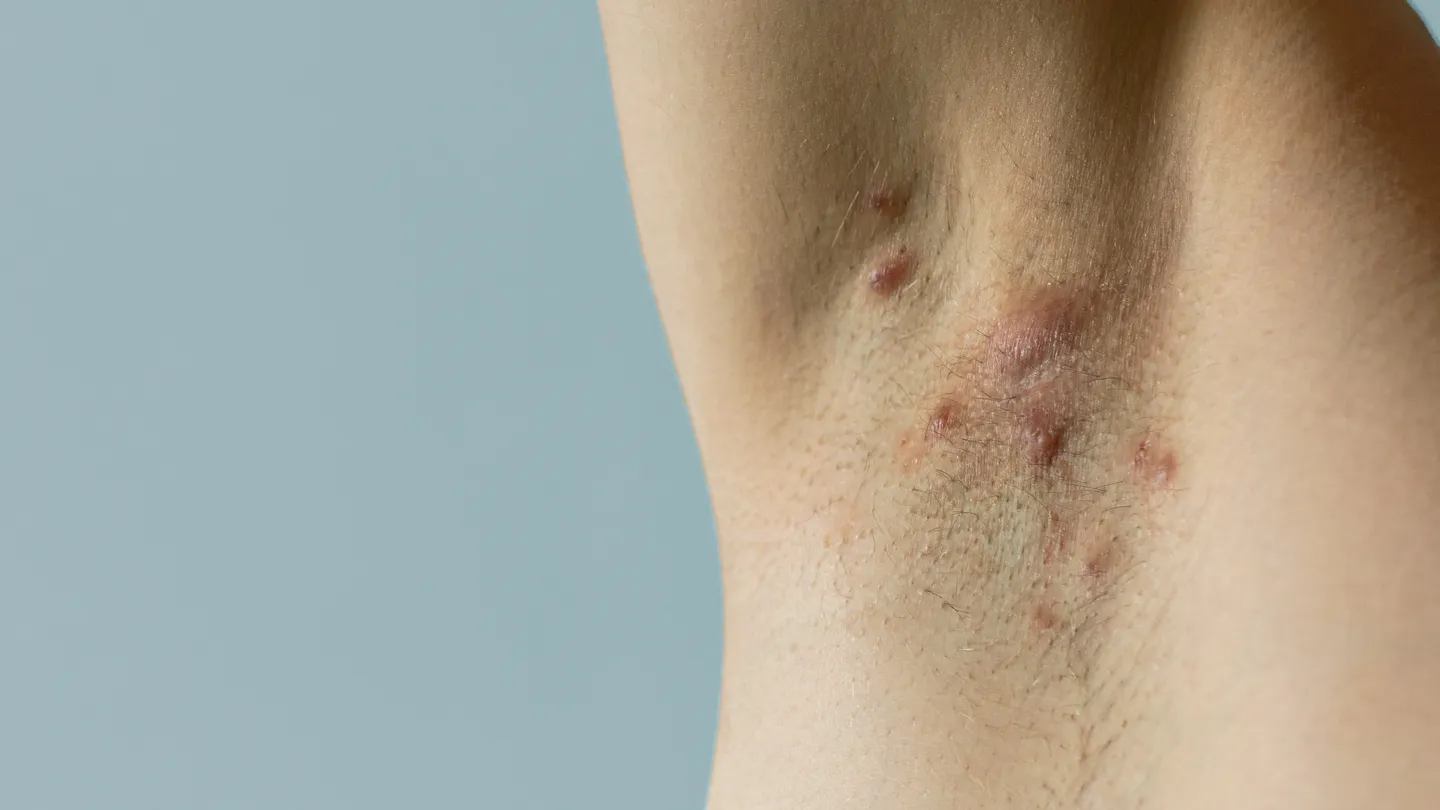
Hidradenitis suppurativa is a long-term skin condition that affects the hair follicles and causes painful, inflamed lumps to form under the skin. It usually develops in areas where skin rubs together, such as the armpits, groin, buttocks, and under the breasts. In its early stages, it can look very similar to common skin problems like pimples, boils, or minor infections, which makes it easy for many people to ignore or misunderstand.
Over time, these small lumps may become more painful, return in the same areas, or even begin to drain fluid. Because the early symptoms are often mild or confusing, many people do not realize they are dealing with a chronic condition until it starts to affect their comfort and daily life. Recognizing these early signs is important for getting the right care and preventing the condition from becoming more severe.
In this article, we will explore the early warning signs of hidradenitis suppurativa, including the first skin changes, recurring painful lumps, early drainage, and other subtle symptoms that can help you identify the condition sooner and seek proper medical attention.
What Is Hidradenitis Suppurativa (HS)
Hidradenitis suppurativa (HS) is a chronic inflammatory skin condition that affects the hair follicles, leading to the development of painful lumps, boils, and deep nodules under the skin. It usually appears in areas where skin rubs together, such as the armpits, groin, buttocks, inner thighs, and under the breasts. In the early stages, it may look like simple pimples or minor skin infections, but over time it can become more persistent, painful, and recurring.

This condition develops when hair follicles become blocked and inflamed, triggering the body’s immune response. The inflammation causes swelling, tenderness, and sometimes the formation of pus-filled lesions that may break open and drain slowly. Because HS is long-term, it often returns in the same areas and can gradually worsen if not properly managed.
Recommended: Why Do My Armpits Smell Like Vinegar Even After a Shower?
How Hidradenitis Suppurativa (HS) Affects The Skin
Hidradenitis suppurativa affects the skin in several progressive ways, especially when it is not diagnosed early. Its impact goes beyond simple surface irritation and can lead to deeper structural changes in the skin over time.
- Painful lumps and nodules: HS causes firm, tender lumps to form under the skin that may feel deep and painful, especially when touched or pressed.
- Inflammation and redness: The affected areas often become red, swollen, and warm due to ongoing inflammation.
- Abscess formation: Some lumps may fill with pus, become larger, and eventually burst or drain fluid with an unpleasant smell.
- Recurrent flare-ups: HS tends to return in the same areas repeatedly, causing ongoing cycles of healing and relapse.
- Skin tunneling (sinus tracts): In more advanced cases, repeated inflammation can create channels under the skin that connect different lesions.
- Scarring and thickened skin: Over time, repeated healing can leave behind scars, hard patches, and uneven skin texture.
Early Warning Signs Of Hidradenitis Suppurativa (HS)
1. Small, Tender Lumps Under The Skin
One of the earliest signs of hidradenitis suppurativa is the appearance of small, painful lumps under the skin. These lumps often start as firm, pea-sized bumps that may feel sore when touched. They commonly develop in areas where skin rubs together such as the armpits, groin, buttocks, or inner thighs. At first, they may look like harmless pimples or ingrown hairs, which makes them easy to overlook.
2. Pain And Discomfort Before Visible Swelling
Before or as the lumps appear, the affected area may feel itchy, tender, or unusually sensitive. The pain can range from mild discomfort to a deep aching sensation under the skin. This early warning sign is important because the pain often begins before any visible bump forms, signaling inflammation beneath the surface.
3. Recurrent Bumps In The Same Areas
A key feature of hidradenitis suppurativa is recurrence. The lumps, nodules, or boil-like lesions tend to reappear in the same or nearby areas over time. Even after healing, the condition often returns in a cycle, which distinguishes it from ordinary skin infections that typically clear completely after treatment.
4. Characteristic Skin Changes
Early HS may also cause small pitted areas on the skin, sometimes containing blackheads that appear in pairs. These clustered blackheads are considered a characteristic early sign of the condition. Over time, the skin may also become uneven or show subtle texture changes due to repeated inflammation.
5. Drainage From Lumps

As the nodules develop, they may become filled with fluid or pus and eventually burst. When this happens, they can release discharge that may have an unpleasant odor. This drainage can occur repeatedly, especially if the lesions keep returning in the same areas.
Recommended: Why Do I Have More Fat Under One Armpit?
6. Tunneling Under The Skin (Early to Later Stage Sign)
In some cases, narrow channels known as sinus tracts may begin to form under the skin. These tunnels can connect different lumps and allow fluid to drain between them. Although this is more common in advanced HS, early inflammatory activity can sometimes start this process gradually.
Triggers That May Worsen Early HS Signs
Understanding what can trigger or worsen hidradenitis suppurativa (HS) is important, especially in the early stages when symptoms are still mild and sometimes unpredictable. While HS is not caused by poor hygiene, certain internal and external factors can increase inflammation in the skin and lead to more frequent or more painful flare-ups.
1. Sweat And Heat
Excessive sweating and hot environments can worsen HS symptoms by increasing moisture and friction in skin-fold areas. This creates a more favorable environment for irritation and blockage of hair follicles, which can lead to new or worsening lumps.
2. Friction From Clothing or Movement
Tight clothing, rough fabrics, or repeated skin-to-skin rubbing can irritate sensitive areas of the skin. This constant friction may trigger inflammation in hair follicles and contribute to the formation of painful nodules, especially in the armpits, groin, and inner thighs.
3. Hormonal Changes
Hormonal fluctuations, especially during puberty, menstrual cycles, pregnancy, or hormonal imbalances, can influence HS activity. Many people notice that symptoms become worse during certain periods when hormone levels shift.
4. Smoking
Smoking is strongly associated with worsening HS symptoms. It is believed to affect inflammation and follicle blockage, increasing the frequency and severity of flare-ups in many individuals.
Recommended: Foods to Avoid with Mast Cell Activation Syndrome (MCAS)
5. Stress
Emotional or physical stress can weaken the immune system and trigger inflammatory responses in the body. This may lead to more frequent HS flare-ups or make existing symptoms feel more intense.
6. Diet And Lifestyle Factors
For some individuals, certain dietary patterns such as high intake of processed foods or dairy may contribute to inflammation. While triggers vary from person to person, lifestyle habits can play a role in how often HS symptoms appear.
When To Seek Medical Help

Hidradenitis suppurativa often starts mildly, but early medical attention can help control it and prevent long-term skin damage.
- Recurrent painful lumps: If you keep getting painful lumps, boils, or nodules in the same areas such as the armpits, groin, buttocks, or under the breasts, it is important to see a doctor. Repeated flare-ups in the same spots are not typical of simple skin infections and may indicate HS.
- Increasing pain or swelling: When the lumps become more painful, larger, or take longer to heal, you should not ignore it. HS-related inflammation often causes deep, lingering pain that does not go away quickly on its own.
- Drainage or bad smell: If the lumps burst and release fluid, pus, or develop an unpleasant smell, this is a warning sign. It usually means there is ongoing inflammation under the skin that needs proper treatment.
- Skin changes or early scarring: If you begin to notice dark marks, pitted skin, thickened areas, or scars forming in affected regions, it is important to get medical advice. These changes show that the condition may be becoming more long-term.
- Symptoms affecting daily life: If the pain or discomfort starts affecting how you walk, sleep, work, or go about your daily activities, you should see a healthcare professional. HS can impact quality of life if not properly managed.
- No improvement over time: If basic care like keeping the area clean or avoiding friction does not improve the condition, it is time to seek medical help. A doctor or dermatologist can confirm the condition and provide treatment options to help control it.
Recommended: Can Stress Cause Boils?
How To Deal With Early Symptoms Of HS
Managing hidradenitis suppurativa (HS) early is important because it can help reduce pain, slow progression, and prevent complications like scarring. While there is no permanent cure, early care can make symptoms more manageable and improve quality of life.
- Gently wash the skin daily with mild soap and warm water, then pat it dry to reduce irritation and bacterial buildup.
- Wear loose, breathable clothes to reduce rubbing on sensitive areas like the armpits, groin, and inner thighs.
- Apply a warm compress to painful lumps to help reduce swelling, ease discomfort, and encourage natural drainage.
- Avoid trying to press or burst the bumps, as this can worsen inflammation, spread infection, and cause scarring.
- Reduce exposure to things like excessive sweating, stress, smoking, and friction that may worsen flare-ups.
- See a doctor or dermatologist if symptoms keep returning or getting worse so proper treatment can be started early.
Conclusion
Hidradenitis suppurativa is a chronic skin condition that often begins with mild and easily overlooked symptoms such as small painful lumps, skin sensitivity, and recurring breakouts in areas where skin rubs together. Because these early signs can look like common skin issues, many people delay seeking help until the condition becomes more uncomfortable or persistent.
Recognizing the early warning signs and understanding how the condition behaves is very important for better management. Simple steps like proper skin care, avoiding triggers, and early medical consultation can help reduce flare-ups and prevent complications such as scarring or tunneling under the skin.
With early attention and consistent care, it is possible to manage symptoms more effectively and improve quality of life.