
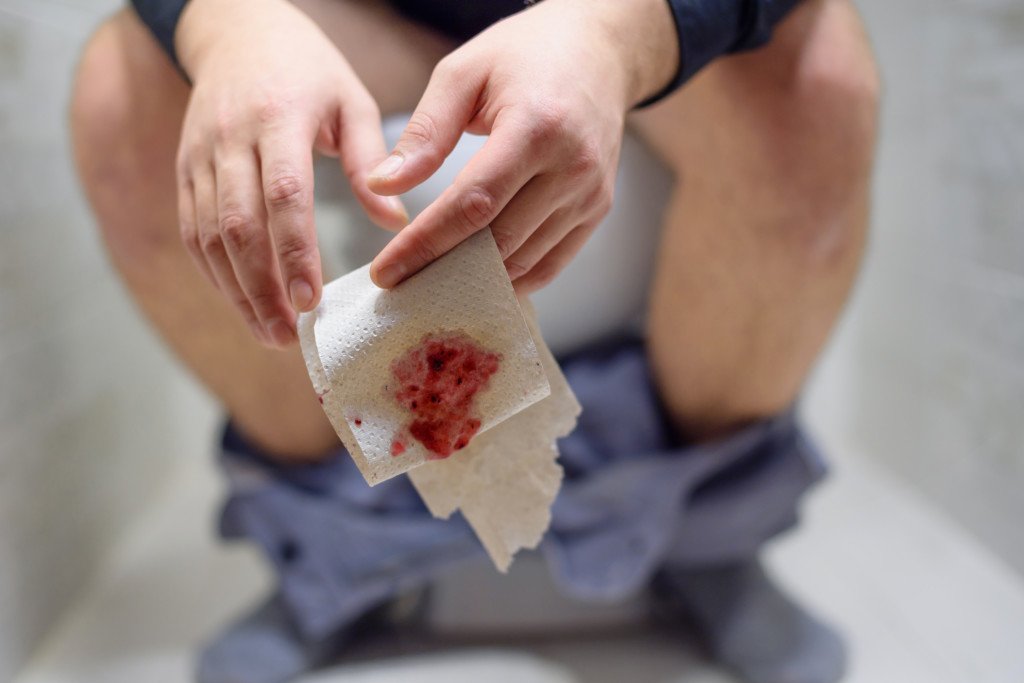
Hemorrhoids are often the first thing many people think of when they notice bright red blood on toilet paper. This is because hemorrhoids are common and can easily cause bleeding during or after bowel movements, especially when there is straining or constipation. However, while hemorrhoids are a frequent cause, they are not the only explanation for this symptom, and assuming so too quickly can sometimes lead to confusion or missed warning signs.
Bright red blood usually suggests that the bleeding is coming from the lower part of the digestive tract, but the exact cause can vary. Conditions such as anal fissures, irritation from hard stools, or other rectal issues can also result in similar bleeding. In some cases, lifestyle habits like poor diet or prolonged sitting on the toilet may contribute to the problem. Because of this, it is important not to rely on appearance alone when trying to understand what is happening.
Knowing the possible causes and how they differ is essential for proper awareness and early action when needed. Some causes are minor and easy to treat at home, while others may require medical attention.
Here, we will explore whether bright red blood on toilet paper always means hemorrhoids, examine other possible causes, explain how to tell the difference between them, and discuss when it is important to see a doctor.
What “Bright Red” Blood Indicates Medically
Medically, bright red blood usually indicates fresh bleeding from a lower part of the digestive tract, most often the rectum or anus. Because the blood has not been digested or exposed to stomach acids for long, it retains its bright red color instead of turning dark or black.

This type of bleeding is commonly linked to conditions that occur close to the exit of the body. The most frequent causes include hemorrhoids and anal fissures, both of which can bleed during or after bowel movements. These conditions are often triggered by straining, constipation, or passing hard stools.
Recommended: How to Stop Bowel Leakage When Coughing or Sneezing
In many cases, bright red blood may be seen on toilet paper after wiping, on the surface of the stool, or as small streaks in the toilet bowl. The amount is usually small, but it can still cause concern, especially when it appears suddenly or repeatedly.
However, while bright red blood often points to minor and treatable issues, it should not be ignored. In some situations, it can also signal other underlying conditions that may require medical attention. Understanding what this type of bleeding means is an important first step in identifying the cause and deciding what action to take next.
Is Bright Red Blood on Toilet Paper Always Hemorrhoids?
No, bright red blood on toilet paper is not always caused by hemorrhoids.
While hemorrhoids are one of the most common reasons for this symptom, especially when there is straining during bowel movements, they are not the only possible cause. Bright red blood usually suggests that the bleeding is coming from the lower part of the digestive tract, but several different conditions can produce the same sign.
Another frequent cause is an anal fissure, which is a small tear in the lining of the anus. This often causes sharp pain during bowel movements along with a small amount of bright red blood on toilet paper. Other factors such as constipation, passing hard stools, or excessive wiping can also lead to irritation and minor bleeding.
In some situations, infections, inflammatory bowel diseases, or rectal polyps may also be responsible. Although these causes are less common than hemorrhoids or fissures, they should not be ignored, especially if the bleeding is persistent, increasing, or occurs without obvious strain.
In summary, hemorrhoids are a likely cause, but not the only one. The presence of bright red blood should be evaluated alongside other symptoms, and ongoing or unexplained bleeding should always be checked by a healthcare professional.
Other Possible Causes You Should Not Ignore
Bright red blood on toilet paper is often assumed to be hemorrhoids, but there are several other important causes that should not be overlooked.
1. Anal Fissures
Anal fissures are small tears in the thin lining of the anus. They usually happen when passing hard or large stools, often due to constipation. Unlike hemorrhoids, fissures typically cause a sharp, burning pain during bowel movements that may continue for a short time afterward. The bleeding is usually bright red and appears as small streaks on toilet paper or on the surface of stool. Even though the bleeding is often minimal, the pain can be quite intense.
2. Constipation and Hard Stools

Constipation can indirectly cause rectal bleeding even without hemorrhoids or fissures. When stool becomes hard and difficult to pass, it can stretch or irritate the delicate tissues around the anus. Straining during bowel movements increases pressure in the area, which may lead to small tears or mild bleeding. This type of bleeding is often occasional and improves once bowel habits are corrected through hydration and a fiber-rich diet.
Recommended: Does Eating Too Much Bread Cause Constipation?
3. Inflammatory Bowel Disease (IBD)
Conditions like ulcerative colitis and Crohn’s disease can also cause rectal bleeding. In these cases, the bleeding is usually linked with inflammation inside the digestive tract. Unlike hemorrhoids, IBD often comes with other symptoms such as abdominal pain, frequent diarrhea, urgency to pass stool, and sometimes mucus mixed with stool. The bleeding may come and go but can become more frequent during flare-ups.
4. Rectal Polyps or Growths
Rectal polyps are small growths that form on the inner lining of the rectum or colon. While many polyps are harmless, some can bleed, especially when irritated by stool movement. The bleeding is often painless and may be noticed only as bright red blood on toilet paper or in the stool. In some cases, polyps can develop into more serious conditions over time, which is why persistent bleeding should always be evaluated by a healthcare professional.
5. Infections or Irritation
Bacterial or viral infections in the digestive tract can also lead to rectal bleeding. These infections may cause inflammation, diarrhea, and irritation of the anal area. Frequent wiping or passing loose stools can further damage the skin, leading to small amounts of bright red blood. This type of bleeding is usually temporary and improves once the infection or irritation is treated.
Common Triggers That Cause Rectal Bleeding
Rectal bleeding, especially bright red blood on toilet paper, is often caused by simple everyday habits. Many of these triggers are not serious on their own, but they can irritate the anal area and lead to bleeding over time.
- Straining during bowel movements: Pushing too hard when passing stool puts pressure on the veins in the rectum. This can cause small tears or worsen hemorrhoids, leading to bleeding.
- Constipation: Hard stool can scratch or injure the anal lining. This is one of the most common reasons people see blood after wiping.
- Diarrhea: Frequent loose stools can irritate the skin around the anus. Constant wiping also makes the area sore and may cause slight bleeding.
- Sitting too long on the toilet: Spending too much time on the toilet increases pressure in the rectal area. This can make hemorrhoids worse and lead to bleeding.
- Heavy lifting or physical strain: Lifting heavy objects or doing activities that require a lot of force can increase pressure in the abdomen and affect the rectal veins.
Recommended: Does The Second Dose Of Suprep Work Faster?
Hemorrhoids vs Other Causes: How to Tell the Difference
Understanding whether bright red blood on toilet paper is caused by hemorrhoids or another condition depends on looking closely at the symptoms that come with it. While the appearance of the blood may look similar, the accompanying signs often help distinguish the real cause.
1. Pain Level and Sensation

Hemorrhoids, especially external ones, may cause discomfort, itching, or a dull aching sensation around the anus, but they are not always painful. In contrast, anal fissures usually cause sharp, intense pain during and after bowel movements. If the bleeding comes with significant pain or a burning feeling, a fissure is more likely than hemorrhoids.
2. Timing and Pattern of Bleeding
With hemorrhoids, bleeding often appears during or right after passing stool and may show as small drops of bright red blood on toilet paper or in the toilet bowl. Anal fissures also bleed during bowel movements, but the blood is usually more closely linked to pain. Conditions like polyps or inflammation may cause more irregular bleeding that does not always follow a bowel movement pattern.
3. Appearance of Blood and Stool Changes
Hemorrhoid-related bleeding is usually light and coats the surface of stool or appears on wiping. If the blood is mixed within the stool or accompanied by changes in stool shape, mucus, or diarrhea, it may suggest conditions like inflammatory bowel disease or infections rather than hemorrhoids.
4. Associated Symptoms
Hemorrhoids often come with itching, swelling, or a feeling of fullness around the anus. On the other hand, infections or inflammatory conditions may include abdominal pain, frequent diarrhea, fever, or fatigue. Polyps may not cause any pain at all, making them harder to detect without medical examination.
5. Duration and Recurrence
Hemorrhoids may come and go, especially when triggered by constipation or straining, and can improve with lifestyle changes. However, bleeding that is persistent, increasing, or occurring without clear triggers should raise concern for other underlying conditions that need medical evaluation.
Recommended: Can Straining To Poop Cause Cervix To Open?
Treatment Options Depending on the Cause
Treatment for bright red blood on toilet paper depends entirely on what is causing it. Since the symptom can come from different conditions, the right approach focuses on treating the root cause rather than just the bleeding itself.
1. Hemorrhoids
If hemorrhoids are the cause, treatment usually starts with simple home care. Increasing fiber intake, drinking more water, and avoiding straining during bowel movements can help reduce symptoms. Warm sitz baths can also soothe discomfort. In more severe cases, a doctor may recommend medicated creams, rubber band ligation, or minor procedures to shrink or remove the hemorrhoids.
2. Anal Fissures
For anal fissures, the goal is to allow the tear to heal and prevent further injury. Softening the stool with fiber and fluids is very important. Doctors may also prescribe ointments that relax the anal muscles and reduce pain. Most fissures heal with proper care, but chronic cases may need medical procedures.
3. Constipation-Related Bleeding
When constipation is the cause, treatment focuses on making bowel movements easier. Eating more fruits, vegetables, and whole grains helps soften stool. Staying hydrated and being physically active also improves digestion. In some cases, mild laxatives may be used under medical guidance.
4. Infections or Irritation
If bleeding is caused by infection or irritation, treatment may include medications such as antibiotics or anti-inflammatory drugs, depending on the cause. Keeping the area clean and avoiding harsh wiping can also help the skin heal.
5. Inflammatory Bowel Disease or Polyps
For more serious conditions like inflammatory bowel disease or rectal polyps, treatment is medical and often long-term. Doctors may prescribe anti-inflammatory medications or recommend procedures to remove polyps. Regular follow-up is important in these cases.
Recommended: What Tea Is Good For Constipation?
Prevention Tips

- Eat a high fiber diet: Eating foods rich in fiber such as fruits, vegetables, beans, and whole grains helps keep stool soft and easy to pass. This reduces the need to strain during bowel movements, which is one of the main causes of rectal bleeding.
- Drink enough water: Staying well hydrated helps prevent constipation. When the body has enough water, stool stays softer and passes more smoothly, lowering the risk of irritation or small tears.
- Avoid straining on the toilet: Try not to push too hard when passing stool. If bowel movements are difficult, take your time and avoid forcing it. Straining increases pressure on the rectal veins and can lead to bleeding.
- Do not sit too long on the toilet: Spending too much time on the toilet can increase pressure in the rectal area. It is better to go when you feel the urge and avoid sitting for long periods, especially while scrolling on your phone.
- Stay active: Regular physical activity helps improve digestion and prevents constipation. Even simple exercises like walking can support healthy bowel movement.
General Conclusion
Bright red blood on toilet paper is a symptom that can be worrying, but it is not always a sign of something serious. While hemorrhoids are a common cause, they are not the only explanation. Conditions such as anal fissures, constipation, infections, and other digestive issues can also lead to similar bleeding.
The key to understanding the cause lies in paying attention to accompanying symptoms such as pain, stool changes, frequency of bleeding, and overall bowel habits. In many cases, the issue is linked to lifestyle factors like diet, hydration, and toilet habits, which means it can often improve with simple changes.
However, persistent, worsening, or unexplained bleeding should never be ignored. Seeking medical advice helps ensure the correct diagnosis and prevents more serious conditions from being missed.