
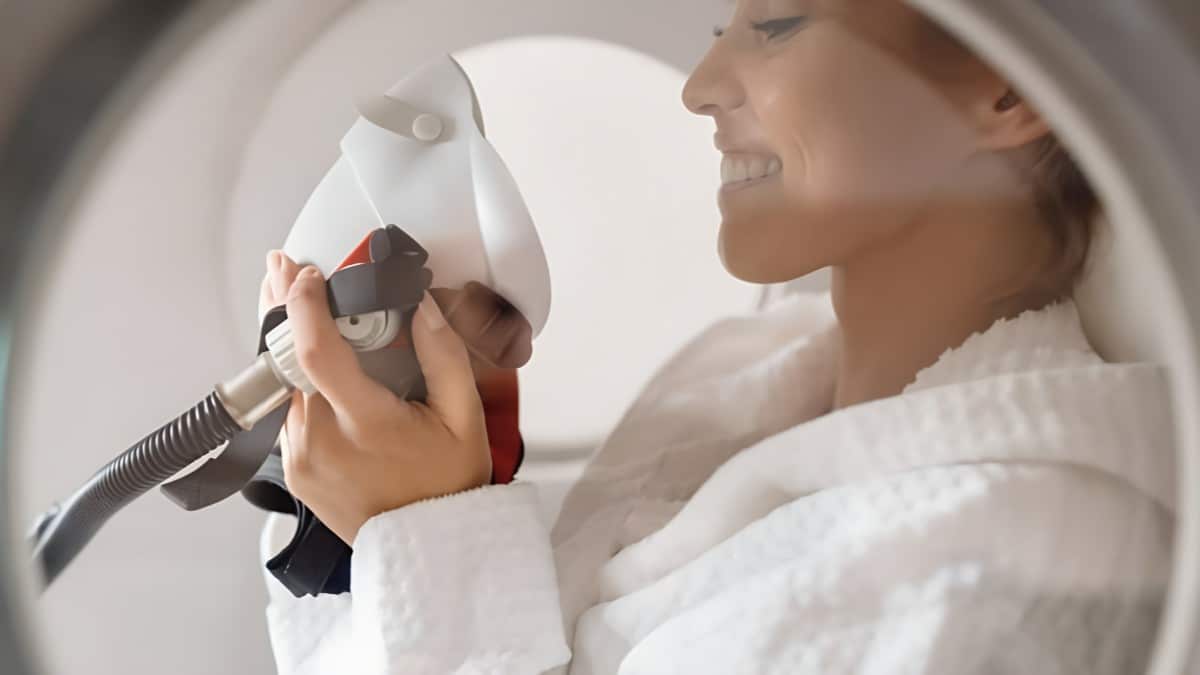
Hyperbaric Oxygen Therapy (HBOT) is a medical treatment where patients breathe pure oxygen in a pressurized chamber. The higher pressure helps oxygen dissolve into the blood better, which can help the body heal faster, lower swelling, and fight infections. It can be used to treat a wide range of problems, from chronic wounds to healing after some surgeries.
Many people are curious about what a typical HBOT session feels like. Understanding the process can help ease any anxiety and make the experience more comfortable. During a session, you will usually sit or lie inside a chamber while breathing oxygen under controlled pressure.
In addition to the therapy itself, safety is a key part of every session. Technicians monitor patients closely, and there are specific guidelines to ensure a safe and effective treatment. You may notice sensations like mild ear pressure or warmth, which are normal and temporary.
In this article, we will guide you through what to expect before, during, and after a hyperbaric oxygen therapy session. We will cover how to prepare, the sensations you might feel, safety measures, and tips to make your session as comfortable as possible. By knowing what to expect, you can approach HBOT with confidence and a better understanding of its benefits.
What HBOT is and How it Works
Hyperbaric Oxygen Therapy (HBOT) is a treatment in which patients breathe pure oxygen while inside a pressurized chamber. The increased pressure allows more oxygen to dissolve into the blood and reach tissues that may not be getting enough oxygen under normal conditions. This extra oxygen helps the body repair damaged tissues, reduce swelling, and fight certain types of infections.

During HBOT, the chamber is filled with air at a pressure higher than normal. This helps oxygen get into the bloodstream more quickly, which helps things like making new blood vessels, healing wounds faster, and making immune cells work better. HBOT can be very helpful for injuries, chronic wounds, and conditions where tissues are having trouble healing because oxygen is necessary for cell repair.
Recommended: Can Red Light Therapy Cause Cancer?
In short, HBOT works by creating an oxygen-rich environment in the body, which accelerates healing and recovery. While it is not a cure-all, it is often used alongside other medical treatments to improve outcomes and support overall health.
Common Conditions Treated with HBOT
1. Diabetic Foot Ulcers
For people living with diabetes, reduced blood flow and nerve damage can make even small foot wounds dangerous. Without proper healing, these ulcers can lead to infection and even amputation. HBOT improves oxygen delivery to damaged tissues, helping ulcers heal faster and lowering the risk of serious complications.
2. Carbon Monoxide Poisoning
Carbon monoxide binds to red blood cells more easily than oxygen, depriving the body of oxygen. In a hyperbaric chamber, breathing pure oxygen helps remove carbon monoxide from the bloodstream more quickly than standard oxygen therapy, reducing the risk of serious complications.
3. Radiation Injuries
Radiation therapy can help treat cancer, but it can also hurt healthy tissue nearby. Patients may still feel pain, have tissue break down, or have wounds that do not heal months or even years later. HBOT helps new blood vessels grow and brings oxygen back to these areas, which helps with long-term recovery.
4. Chronic, Nonhealing Wounds
Some wounds do not respond to standard care, often due to poor circulation, infection, or underlying health conditions. HBOT delivers oxygen directly to affected tissues, helping stimulate new blood vessel growth, reduce swelling, and restart the healing process.
5. Sudden Hearing Loss
In certain cases of sudden hearing loss, HBOT is used to improve blood flow to the inner ear. By increasing oxygen levels in these delicate tissues, the therapy can support healing and may improve hearing, especially when started early.
6. Crush Injuries and Severe Trauma
Swelling can stop blood flow and limit oxygen supply when tissues are badly hurt. HBOT helps bring down swelling, get more oxygen to the body, and help tissues heal, which all improve the chances of a full recovery.
Recommended: Neurofeedback Apps vs Traditional Meditation for Anxiety
7. Serious Soft Tissue Infections
Some aggressive infections thrive in low-oxygen environments. HBOT increases oxygen levels in affected tissues, making it harder for bacteria to spread while also strengthening the body’s immune response.
Preparing for Your HBOT Session
Proper preparation can help ensure your Hyperbaric Oxygen Therapy (HBOT) session is safe, comfortable, and effective. Before starting treatment, you will usually undergo a medical evaluation to confirm that HBOT is suitable for your condition. Your healthcare provider may also review your medications and advise if any adjustments are needed before your session.

On the day of your appointment, it is important to wear comfortable, loose-fitting clothing, often provided by the treatment center. You should avoid bringing items that could pose a safety risk, such as flammable products, electronic devices, or anything containing oils or alcohol. This is because the oxygen-rich environment inside the chamber requires strict safety precautions.
You may also be advised to eat a light meal before your session and stay well hydrated. However, it is best to avoid alcohol, carbonated drinks, or smoking beforehand, as these can affect how your body responds to the pressure changes. Following these guidelines helps reduce discomfort, especially in your ears and sinuses during pressurization.
Recommended: How to Use Neurofeedback Apps for Anxiety Relief
Finally, it is helpful to arrive a bit early so you can relax and receive instructions from the medical staff. If you have any concerns, such as anxiety or claustrophobia, let the technician know ahead of time. Being informed and prepared can make your HBOT experience smoother and more comfortable from the start.
What to Expect During a Hyperbaric Oxygen Therapy (HBOT) Session
1. Entering the Chamber
During a Hyperbaric Oxygen Therapy (HBOT) session, you will be placed inside a sealed chamber where air pressure is gradually increased above normal levels. You may either lie down in a single-person chamber or sit in a larger chamber with other patients, depending on the facility. Once the session begins, you will breathe pure oxygen in this controlled, pressurized environment.
2. Pressure Adjustment
As the pressure rises, you might feel a temporary fullness or popping in your ears, like when you are on a plane. This is a normal reaction, and you can make it go away by swallowing, yawning, or gently clearing your ears.
3. During the Session
The session typically lasts between 60 and 120 minutes. During this time, you can relax, nap, or engage in quiet activities if allowed. Most people find the experience calm and manageable once they adjust to the pressure changes.
4. Monitoring and Safety
Throughout the session, trained medical staff will monitor you closely to ensure your safety and comfort. The process is carefully controlled, with strict safety measures in place due to the high oxygen levels.
5. Ending the Session
The pressure slowly goes back to normal at the end of the session, which may again make your ears pop. You can usually go back to your normal routine after leaving the chamber, but some people may feel a little tired or lightheaded for a short time.
Recommended: Orthosomnia: How to Stop Obsessing Over Sleep Tracker Data
Tips for First-Time HBOT Patients
1. Wear loose, comfortable clothing made of cotton or other natural fibers. Avoid items with zippers, buttons, or anything flammable, as high oxygen levels make safety precautions important.
2. Before your session, give yourself extra time to fill out any forms, ask questions, and get used to the chamber. If you feel calm before the event, it will go much more smoothly.

3. During pressurization, your ears may feel full or experience popping, similar to flying in an airplane. Swallowing, yawning, or gently clearing your ears can help relieve discomfort.
4. If allowed, bring headphones, a small blanket, or an eye mask to help you relax during the session. Quiet music or guided meditation can also make the time pass more comfortably.
5. Let the technician know if you feel anxious, claustrophobic, or uncomfortable at any point. They are trained to support first-time patients and can offer strategies to make the session easier.
6. Drink water before and after your session to stay hydrated. Avoid alcohol or carbonated drinks, as they can increase discomfort during pressurization.
7. Although most people can resume normal activities immediately, some may feel slightly tired afterward. Consider scheduling lighter activities after your first few sessions until you know how your body responds.
Recommended: Does Blue Light Blocking Really Help Sleep Quality?
Who Should Avoid HBOT
While Hyperbaric Oxygen Therapy (HBOT) is safe for many patients, it may not be suitable for everyone. Certain medical conditions or situations can increase the risk of complications, so it is important to consult a healthcare provider before starting treatment.
- Lung Conditions: People with severe lung diseases, such as emphysema with air trapping or untreated pneumothorax, may be at risk because pressurized oxygen can affect lung function.
- Ear or Sinus Problems: Patients with chronic ear infections, sinus blockages, or recent ear surgery may have difficulty equalizing pressure in the chamber, leading to discomfort or injury.
- Pregnancy: HBOT is generally not recommended for pregnant women unless prescribed for a specific medical reason, as the effects on the developing fetus are not fully understood.
- Certain Medications or Health Conditions: Some medications or pre-existing health issues, such as uncontrolled high fever or certain chemotherapy drugs, may make HBOT unsafe. Always inform your doctor about all medications and medical conditions.
- Claustrophobia or Anxiety: Severe claustrophobia or anxiety can make it hard for some patients to handle the enclosed chamber, even though it is not a strict medical reason not to. In these situations, special help or sedation may be needed.
Conclusion
Hyperbaric Oxygen Therapy (HBOT) is a safe and effective way to help the body heal from a number of medical conditions. HBOT helps the body heal faster by giving it pure oxygen in a pressurised chamber. This improves blood flow, speeds up tissue repair, and boosts the body’s natural healing processes.
For first-time patients, understanding what to expect before, during, and after a session can help reduce anxiety and make the experience more comfortable. Proper preparation, awareness of sensations, and following safety guidelines all contribute to a smooth and effective therapy.
HBOT is good for a lot of people, but not everyone. Talking to a doctor or other healthcare professional makes sure that the therapy is safe and works for you.
Overall, HBOT can be a valuable addition to traditional medical treatments, helping patients recover faster, reduce complications, and improve overall health.