
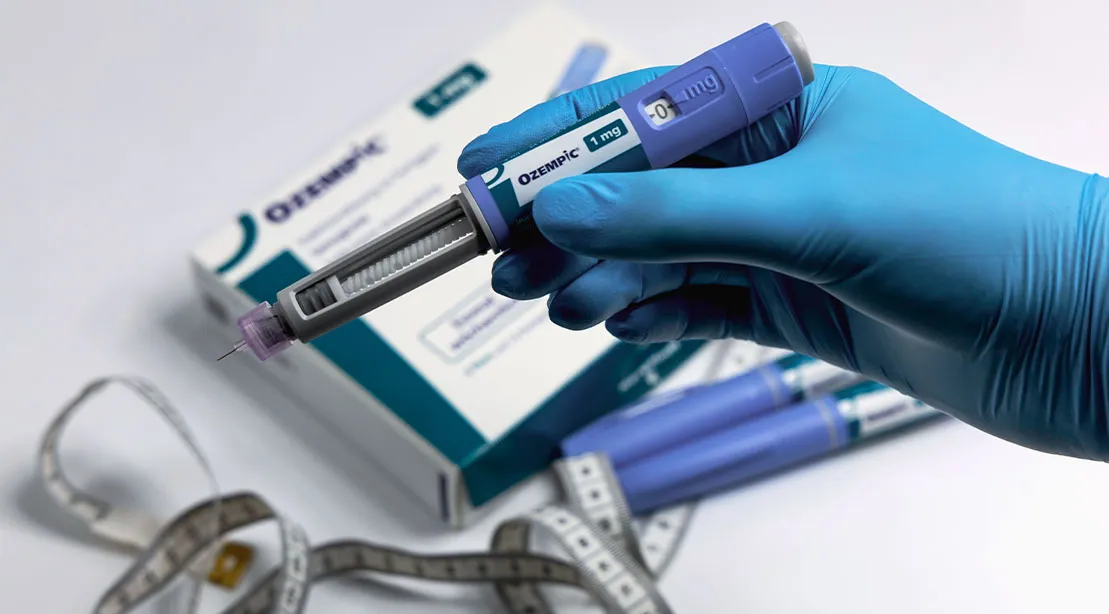
Muscle mass is very important for your overall health, strength, and metabolism, but people often forget about it when they start weight loss treatments like GLP-1 medications. These medicines work very well to help you lose weight and control your blood sugar, but if you don’t take care of yourself properly, they can also cause you to lose lean muscle. This happens because rapid weight loss and reduced appetite may result in insufficient protein intake and lower levels of physical activity, both of which are essential for maintaining muscle.
For people taking GLP-1 medications, keeping muscle mass is just as important as losing fat. Keeping your muscles strong helps your metabolism work better, makes you stronger, and is good for your long-term health. Without the right strategies, the benefits of weight loss may be accompanied by weakness, fatigue, and a slower metabolism.
In this article, we will explore how GLP-1 medications affect muscle mass, why muscle preservation is important, and the practical steps you can take such as proper nutrition, adequate protein intake, strength training, and lifestyle adjustments to help maintain muscle while achieving your weight loss goals.
Why Preserving Muscle Mass Matters
Muscle mass plays a vital role in keeping the body strong, functional, and metabolically active, especially during weight loss.When muscle is kept, the body can burn calories more effectively, stay strong, and do everyday physical activities. On the other hand, losing muscle can slow down your metabolism, making it harder to sustain weight loss over time.

Another important reason to maintain muscle mass is its direct impact on overall health and energy levels. Muscle tissue helps keep blood sugar levels stable, supports joint stability, and lowers the risk of fatigue and weakness. This is especially important for people who take GLP-1 medications, since a decreased appetite can lead to malnutrition and muscle breakdown.
Recommended: Why Muscle Mass and Body Composition Are Key to Longevity
Preserving muscle also contributes to better body composition. Instead of simply losing weight, maintaining lean muscle ensures that most of the weight lost comes from fat rather than muscle tissue. This leads to a healthier, more toned physique and better long term results.
In addition, muscle mass is closely linked to physical independence and quality of life. Strong muscles improve balance, reduce the risk of injury, and support mobility as the body ages. By prioritizing muscle preservation, individuals can protect not only their current health but also their future well being.
Understanding GLP-1 Medications and Their Impact on Muscle Mass
GLP-1 medications, also known as glucagon-like peptide-1 receptor agonists, are commonly prescribed to support weight loss and improve blood sugar control. These drugs work by copying a natural hormone that. As a result, many people eat less and experience steady weight loss over time.
While this effect can be beneficial, it also has an important impact on muscle mass. When calorie intake drops significantly, the body does not only burn fat for energy, it may also begin to break down muscle tissue. This is especially likely if protein intake is too low or if there is little to no resistance training to signal the body to preserve muscle.
Another thing that makes people less hungry is GLP-1 drugs. A lot of people have trouble getting enough nutrients, especially protein, which is important for keeping and repairing muscle. Over time, this imbalance can cause a slow loss of lean body mass along with fat loss.
It is also important to know that losing weight quickly, no matter how you do it, usually means losing some muscle as well. However, without proper strategies in place, the proportion of muscle lost can become significant. This can affect strength, metabolism, and overall physical performance.
Understanding how GLP-1 medications influence both fat and muscle is the first step toward protecting lean body mass. With the right approach, including proper nutrition and physical activity, it is possible to enjoy the benefits of these medications while minimizing their impact on muscle.
How to Maintain Muscle Mass on GLP-1 Medications
Maintaining muscle mass while using GLP-1 medications requires a more intentional approach than typical weight loss.These drugs lower your appetite and make you eat fewer calories overall, so your body might not get enough nutrients to keep your muscles unless you plan for it. The goal is to lose fat while giving your body every reason to keep its lean tissue.
1. Prioritize Adequate Protein Intake
Protein is the most critical nutrient for preserving muscle. When calorie intake drops, the body is more likely to break down muscle for energy if protein is insufficient. To prevent this, aim to consume enough protein daily, even if your appetite is reduced.
Recommended: Are Protein Shakes Good For Weight Loss – Yes or No?
A practical guideline is to target about 1.2 to 1.6 grams of protein per kilogram of body weight. If eating large meals feels difficult, focus on smaller, protein-rich portions spread throughout the day. Foods like eggs, chicken, fish, Greek yogurt, beans, and milk are excellent options. Liquid protein sources such as smoothies can also help when solid food feels too heavy.
Consistency matters more than perfection. Even moderate increases in protein intake can significantly reduce muscle loss during weight loss.
2. Engage in Regular Strength Training
Using muscles keeps them strong. Your body gets the message that it needs muscle tissue and should keep it when you do strength or resistance training]. Without this signal, especially during weight loss, the body may gradually reduce muscle mass.

You do not need a complicated routine. Simple exercises such as squats, lunges, push-ups, and resistance band workouts can be very effective. If possible, include weight training using dumbbells or gym machines.
Aim for at least two to three sessions per week, focusing on major muscle groups. Progressively increasing resistance or repetitions over time helps maintain and even build strength, even while losing weight.
3. Maintain a Moderate Calorie Deficit
GLP-1 drugs naturally make you eat less, but not eating enough can speed up the breakdown of muscle. When the body is in a severe calorie deficit, it prioritizes survival over muscle preservation.
Instead of drastically cutting calories, aim for a balanced approach. Eat enough to support basic energy needs while still allowing gradual fat loss. If you feel constantly weak, dizzy, or fatigued, it may be a sign that your intake is too low.
Recommended: Are Tomatoes Good for Weight Loss?
Including balanced meals with protein, healthy fats, and carbohydrates ensures your body has the fuel it needs to function properly.
4. Do Not Neglect Carbohydrates and Healthy Fats
While protein is essential, carbohydrates and fats also play important roles in muscle maintenance. Carbohydrates provide energy for workouts and daily activity, preventing the body from using muscle protein as fuel. Healthy fats support hormone production, which is important for muscle health.
Include whole food sources like rice, oats, fruits, vegetables, nuts, seeds, and healthy oils. A well-balanced diet supports both performance and recovery.
5. Stay Physically Active Throughout the Day
Beyond structured workouts, general movement helps maintain muscle function. Activities like walking, climbing stairs, stretching, and light daily tasks contribute to overall muscle use.
This type of movement, often referred to as daily activity, helps prevent muscle inactivity and supports circulation and flexibility. Staying active also complements your workouts and improves overall health.
6. Focus on Recovery and Sleep
Muscle repair and growth happen during rest, not just during exercise. Poor sleep can interfere with muscle recovery and increase the risk of muscle loss.
Aim for at least 7 to 9 hours of quality sleep each night. Proper hydration is also essential, as dehydration can affect muscle performance and recovery. Drinking enough water throughout the day supports overall bodily functions, including muscle health.
7. Monitor Body Composition, Not Just Weight
The number on the scale does not tell the full story. You may be losing weight, but without proper habits, some of that loss could be muscle.
Pay attention to how strong you feel, how your clothes fit, and your overall energy levels. If possible, track body composition using methods like measurements or fitness assessments. Maintaining strength while losing weight is a good sign that muscle mass is being preserved.
Common Mistakes People Make on GLP-1 Medications
Avoiding these common mistakes can make a significant difference in both your progress and overall health.
Eating Too Little
One of the most common mistakes is cutting back on food too much. Some people skip meals or eat very small amounts throughout the day because GLP-1 drugs make them less hungry. While this may accelerate weight loss initially, it often leads to muscle breakdown, low energy levels, and nutrient deficiencies. The body needs a minimum level of fuel to function properly, and eating too little can do more harm than good.
Recommended: Are Tomatoes Good for Weight Loss?
Not Getting Enough Protein

With reduced appetite, protein intake often drops unintentionally. This is a major issue because protein is essential for maintaining and repairing muscle. Many people focus only on eating less, rather than eating smart. Without enough protein, the body is more likely to lose muscle along with fat, which can negatively affect metabolism and strength.
Avoiding Strength Training
Some individuals rely solely on the medication for weight loss and neglect exercise, especially resistance training. Cardio alone is not enough to preserve muscle mass. Without strength training, the body has no reason to maintain muscle tissue during weight loss. Over time, this can lead to a weaker body and reduced physical performance.
Focusing Only on the Scale
Another common mistake is judging progress solely by the number on the scale. Rapid weight loss can be motivating, but it does not distinguish between fat loss and muscle loss. Losing weight quickly without maintaining muscle can result in a less healthy body composition. Strength, energy levels, and how your body feels are just as important as weight.
Ignoring Nutrient Balance
Some people eat whatever they can tolerate without considering nutritional quality. This can lead to diets that are low in essential nutrients such as vitamins, minerals, and healthy fats. A lack of balanced nutrition can affect muscle health, recovery, and overall wellbeing. Even with a smaller appetite, it is important to choose nutrient-dense foods.
Not Staying Hydrated
Reduced food intake can sometimes lead to reduced fluid intake as well. Dehydration can cause fatigue, dizziness, and poor muscle function. Proper hydration supports digestion, circulation, and muscle performance, making it an essential part of any weight loss plan.
Expecting the Medication to Do Everything
GLP-1 medications are powerful tools, but they are not a complete solution on their own. Relying entirely on the medication without making lifestyle changes often leads to poor long term outcomes. Healthy habits such as proper nutrition, regular exercise, and good sleep are still necessary to achieve and maintain results.
Stopping Healthy Habits Too Soon
Some people see progress and become less consistent with their habits. Skipping workouts, neglecting protein intake, or becoming less mindful of nutrition can gradually reverse progress.
Recommended: 10 Effective Weight Loss Strategies for a Healthier You.
When to Seek Professional Guidance
While many people can successfully manage their diet and exercise routines on their own, there are times when professional guidance becomes essential, especially when using GLP-1 medications. Because these medications can significantly affect appetite, nutrition, and body composition, expert support can help ensure you are losing fat while preserving muscle.
If you notice signs like unusual weakness, constant tiredness, or quick weight loss, it could mean that your body is losing more muscle than it should. In these situations, talking to a doctor can help you figure out how healthy you are overall and make any changes to your treatment plan that are needed.
You should also consider seeking help if you are unsure about how much protein to eat, how to structure your meals, or how to begin a strength training routine. A registered dietitian can create a personalized nutrition plan that meets your needs, while a fitness professional can guide you through safe and effective resistance exercises to support muscle maintenance.
Professional supervision is even more important for people who already have health problems like diabetes or who take a lot of medications. A doctor can keep an eye on your progress, deal with any side effects, and make sure that your weight loss plan stays safe and balanced.
Seeking professional guidance is not a sign of failure but a smart step toward achieving better results. With the right support, you can protect your muscle mass, improve your overall health, and make your weight loss journey more effective and sustainable.
Conclusion
Maintaining muscle mass while using GLP-1 medications is essential for achieving healthy and sustainable weight loss. While these medications can effectively reduce body weight, they can also lead to unintended muscle loss if proper steps are not taken. By understanding how they work and being intentional about nutrition and lifestyle choices, it is possible to protect lean muscle while still reaching your goals.
Focusing on adequate protein intake, engaging in regular strength training, staying active, and supporting your body with proper rest and hydration all play a key role in preserving muscle. Small, consistent efforts in these areas can make a significant difference in how your body responds to weight loss.
The end goal is not just to lose weight, but to get healthier, stronger, and happier in the long run. By making muscle preservation just as important as fat loss, you set yourself up for better results, more energy, and a healthier, more balanced approach to your health journey.