
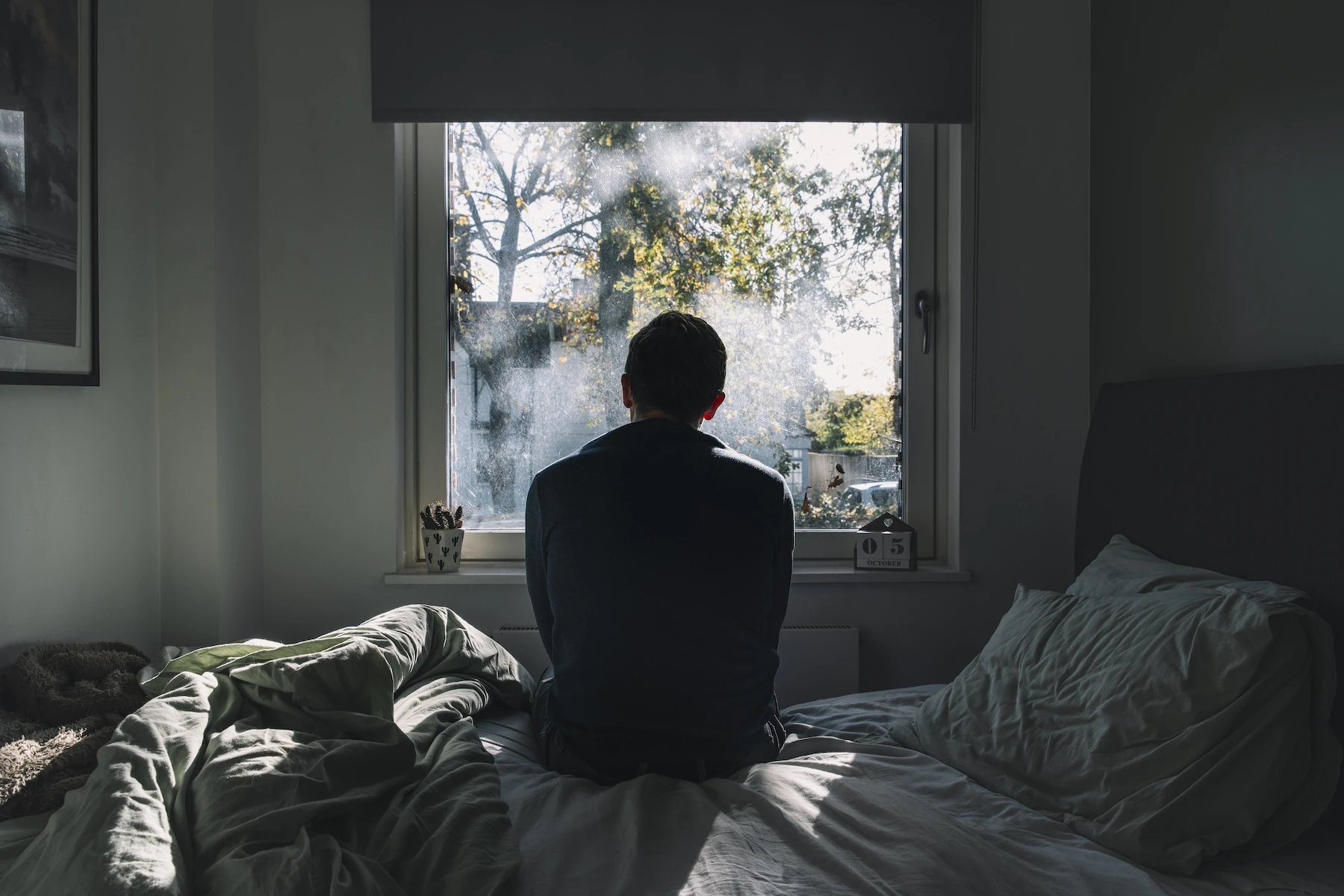
Anxiety can affect people at any time, but for some, it feels strongest first thing in the morning. Waking up with racing thoughts, tension, or a sense of dread can make starting the day overwhelming.
Morning anxiety is often influenced by a mix of physical and psychological factors. Hormonal changes, poor sleep, or stress from the previous day can all play a role in how anxious you feel upon waking.
Lifestyle habits such as diet, caffeine intake, and irregular routines may also contribute. Even small daily habits can affect your mood and trigger heightened anxiety in the morning.
In this article, we will explore the common reasons for increased anxiety upon waking. We will discuss contributing factors, practical coping strategies, and signs that indicate when professional support may be necessary.
Understanding Morning Anxiety
Morning anxiety is the feeling of tension, worry, or unease that occurs soon after waking. Unlike general anxiety, which can appear at any time during the day, morning anxiety often hits when the mind is still adjusting from sleep. This can make simple tasks feel overwhelming and affect your mood, focus, and energy levels.

Physiologically, morning anxiety is linked to the body’s natural stress response. Hormones like cortisol, which help us wake up and feel alert, can sometimes spike too high, triggering feelings of nervousness or restlessness. Psychologically, unresolved stress or worries from the previous day may also resurface in the early hours, intensifying anxiety.
Recommended:Why Do I Wake Up at 3 AM Every Night with Anxiety?
Recognizing morning anxiety is the first step toward managing it. Understanding its patterns, triggers, and effects can help you develop strategies to start the day with more calm and control.
Reasons for Increased Morning Anxiety
1. Hormonal Fluctuations
Cortisol, often called the “stress hormone,” naturally peaks in the morning to help you wake up and feel alert. For most people, this is a healthy process. However, in some cases, cortisol levels rise too sharply or unevenly, which can overstimulate the nervous system. This overstimulation can lead to a racing heart, jitteriness, or feelings of tension immediately after waking. Other hormones, like adrenaline, may also contribute to a heightened stress response, especially in people who are prone to anxiety.
2. Poor Sleep Quality
The quality and duration of your sleep have a direct impact on morning anxiety. Conditions like insomnia, sleep apnea, or restless leg syndrome can prevent the body from fully resting and recovering. Even minor disturbances, such as waking up several times during the night, can make your brain more sensitive to stress. Additionally, stressful dreams or nightmares can carry over into the morning, leaving you feeling uneasy before your day has even started.
3. Psychological Factors
Morning anxiety is often fueled by unresolved mental and emotional stress. When your mind is quiet in the early hours, worries about work, school, finances, relationships, or personal responsibilities can resurface. Overthinking what the day might bring or replaying events from the previous day can trigger tension, irritability, and nervousness. People with generalized anxiety disorder (GAD) may experience this effect more intensely, as their brains naturally anticipate stress.
4. Lifestyle Habits
Certain lifestyle choices can make morning anxiety worse. High caffeine intake or sugary foods early in the day can overstimulate the nervous system. Skipping breakfast may lower blood sugar, which can lead to irritability and nervousness. Lack of exercise reduces the body’s ability to manage stress hormones effectively. Even irregular sleep schedules or inconsistent morning routines can confuse the body’s internal clock, making it harder to regulate stress and mood. Environmental factors, like a noisy household or bright sunlight, can also act as triggers for morning anxiety.
Recommended: Magnesium Glycinate vs Magnesium Citrate for Sleep and Anxiety
5. Health Conditions and Medications
Some underlying health issues can contribute to heightened anxiety in the morning. Thyroid disorders, heart conditions, or chronic illnesses can affect hormone levels and stress responses. Certain medications, including stimulants or some antidepressants, may also increase nervousness or restlessness when taken in the morning. Understanding these connections is important for identifying the root cause of anxiety rather than just treating the symptoms.
6. Habitual Stress and Anticipation
For many people, morning anxiety is a learned response linked to habitual stress. If mornings are consistently rushed, chaotic, or stressful, the body starts to anticipate tension upon waking. Over time, this creates a feedback loop where the body reacts with anxiety automatically, even before stressful events occur. This is why establishing calm morning routines can be a key step in reducing anxiety over time.
Coping Strategies for Morning Anxiety
1. Practice Morning Mindfulness

Starting the day with mindfulness exercises such as deep breathing, meditation, or grounding techniques can help calm your mind. Even 5 to 10 minutes of focused breathing can reduce tension and help you feel more centered before facing daily tasks.
Recommended: Do Weighted Blankets Help Deal With Stress and Anxiety?
2. Establish a Consistent Morning Routine
A predictable routine can signal to your body and mind that the day is beginning in a controlled way. Simple habits like stretching, showering, making your bed, or having a healthy breakfast can reduce uncertainty and stress.
3. Limit Stimulants Early in the Day
Caffeine and energy drinks can intensify feelings of anxiety in the morning. Consider reducing your intake or having your first cup after completing calming morning activities to avoid heightening nervousness.
4. Write Down Your Thoughts
Journaling can help release worries or racing thoughts that contribute to morning anxiety. Writing down tasks, concerns, or affirmations can help you organize your mind and start the day with a sense of control.
5. Engage in Light Physical Activity
Physical movement helps release endorphins and lowers cortisol, easing both mental and physical tension. Gentle activities like yoga, stretching, tai chi, or a short morning walk can improve circulation, enhance energy levels, and reduce feelings of restlessness.
6. Seek Professional Support When Needed
If morning anxiety is severe, persistent, or starts interfering with your daily life, professional guidance is important. A therapist, counselor, or physician can help identify underlying causes, provide coping strategies, and recommend treatment such as cognitive-behavioral therapy (CBT) or medication if necessary. Early intervention can prevent anxiety from escalating and improve overall well-being.
When to Seek Professional Help

While occasional morning anxiety is common, there are times when it may signal a deeper issue that requires professional support.
Recommended: How to Use Neurofeedback Apps for Anxiety Relief
- Severe or Persistent Anxiety: If you regularly wake up feeling panicked, restless, or unable to get out of bed, and anxiety interferes with your daily activities, it may be time to seek help.
- Physical Symptoms: Frequent symptoms such as rapid heartbeat, chest pain, shortness of breath, or dizziness upon waking should be evaluated by a medical professional to rule out underlying health issues.
- Mental Health Concerns: Constant, overwhelming anxious thoughts or symptoms of depression, such as sadness, irritability, or hopelessness, may indicate a mental health condition that requires professional assessment.
- Difficulty Managing Daily Life: If morning anxiety makes it hard to focus, complete tasks, or maintain routines, professional guidance can help you develop coping strategies and improve overall functioning.
- Need for Specialized Treatment: Therapy, counseling, or medication may be necessary depending on the cause of your anxiety. Early intervention can prevent symptoms from worsening and help you regain control over your mornings.
Conclusion
Morning anxiety is a common experience that can affect anyone, but it does not have to control your day. By understanding the causes, such as hormonal fluctuations, poor sleep, lifestyle habits, and unresolved stress, you can take steps to manage and reduce its impact.
Incorporating strategies like mindfulness, a consistent morning routine, light exercise, and journaling can help calm the mind and prepare you for a more balanced day. Paying attention to your environment and limiting stimulants can also make a noticeable difference.
If anxiety is severe, persistent, or begins to interfere with daily life, seeking professional support is important. Early guidance from a mental health professional or physician can provide effective treatment and practical tools to manage your anxiety.
With awareness, proactive habits, and the right support, it is possible to start your mornings with calm, focus, and confidence. Taking small steps consistently can lead to significant improvements in both your mental and physical well-being.