

Orthosomnia is a sleep disorder that makes it hard to fall asleep or stay asleep because you are worried about sleep. It is different from regular insomnia in that it is often caused by worrying too much about whether you are getting enough sleep. People with orthosomnia may lie awake at night, unable to stop thinking about how well they sleep.
For a lot of people, wearing a sleep tracker can make their anxiety worse. Looking at every little thing about your sleep data can make you feel like you have to get “perfect” sleep, which can make it hard to fall asleep. Even small changes in sleep scores can make people worry and angry.
In this article, we will talk about what orthosomnia is, how sleep trackers can make it worse, how to tell if you are obsessing over your sleep data, how to break the cycle, and how to get better sleep without adding stress.
What is Orthosomnia?
Orthosomnia is a sleep disorder in which the primary issue is anxiety regarding sleep rather than an actual inability to sleep. People who have orthosomnia often worry about whether they are getting enough sleep or if their sleep is good quality. This worry can make it harder to fall asleep or stay asleep, which can lead to more stress and sleeplessness.

Orthosomnia is more closely related to mental health issues than regular insomnia. A lot of people get orthosomnia after using apps or wearable devices to keep track of their sleep and becoming too focused on numbers like how long they slept or how well they slept. This constant checking can make bedtime more stressful and make sleep problems worse.
Recommended: Why Do I Wake Up at 3 AM Every Night with Anxiety?
Anyone can get orthosomnia, but it is more common in people who are naturally anxious, perfectionistic, or very concerned about their health. The first step to breaking the cycle and learning how to sleep more naturally without trackers is to recognise orthosomnia.
The Role of Sleep Trackers in Orthosomnia
Sleep trackers can play several roles in contributing to orthosomnia. These roles often increase anxiety and make it harder to sleep naturally:
Creating Pressure to Sleep Perfectly
Sleep trackers provide detailed data on sleep duration, efficiency, and stages. When users constantly check these numbers, they may feel pressure to achieve “perfect” sleep every night. This pressure can make falling asleep more difficult, feeding the cycle of anxiety.
Highlighting Small Variations
Many trackers are not completely accurate, and small differences in sleep data can cause worry. For instance, a slightly lower sleep score or a short awakening during the night might make someone with orthosomnia feel they slept poorly, even if they actually feel rested.
Encouraging Over-Monitoring
People with orthosomnia often check their devices multiple times during the day or night. This constant monitoring keeps sleep at the forefront of their thoughts, increasing stress and reducing the ability to relax at bedtime.
Creating a Psychological Loop
The combination of pressure, worry over variations, and over-monitoring creates a loop: anxiety about sleep leads to poor sleep, which leads to more anxiety. Recognizing these roles is essential to breaking the cycle and regaining natural, restful sleep.
Recommended: Why Do I Wake Up at 3 AM Every Night with Anxiety?
Why Obsessing Over Sleep Data is Harmful
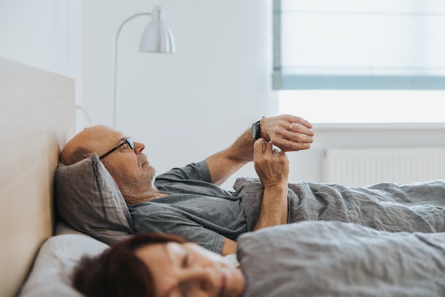
Constantly focusing on sleep tracker data can have several negative effects on both your sleep and mental health:
- Increases Anxiety at Bedtime: Checking sleep scores repeatedly can make you worry about getting “enough” sleep. This anxiety makes it harder to relax and fall asleep naturally, often worsening the very problem you are trying to fix.
- Disrupts Natural Sleep Patterns: Over-monitoring your sleep can interfere with your body’s internal clock. Staying up late to review data or stressing about a low score can delay sleep onset and reduce overall sleep quality.
- Creates a Negative Psychological Loop: Obsessing over data leads to stress, which affects sleep. Poor sleep then increases anxiety about sleep, creating a continuous cycle that is hard to break without intervention.
- Affects Mental Health: The stress from obsessing over sleep can spill over into daily life, causing irritability, difficulty concentrating, and mood swings. Over time, this can affect overall well-being and quality of life.
- Reduces Trust in Your Own Body: Relying too much on numbers can make you ignore your natural sleep cues. You may begin to doubt whether you are truly rested, even when your body feels fine, increasing dependence on the tracker.
Signs You Are Becoming a Sleep Tracker Obsessive
Obsessing over sleep tracker data can be subtle at first, but there are clear signs that your tracking habits are starting to affect your sleep and mental health:
- You constantly check your sleep tracker throughout the day or even during the night, keeping sleep at the forefront of your mind.
- You have difficulty falling asleep because you worry about last night’s sleep score or how many hours you will get tonight.
- You feel guilty or frustrated when your tracker shows “bad” sleep, even if you feel rested.
- You obsess over small variations in sleep duration or efficiency that are normal from night to night.
- You adjust your daily activities, caffeine intake, or bedtime strictly based on your sleep tracker results.
- You feel anxious or stressed when you forget to wear your tracker or it malfunctions.
- You compare your sleep data with friends or online communities, feeling pressure to match their numbers.
- You replay your night in your mind, focusing on moments you woke up or tossed and turned.
- You avoid relaxing activities before bed because you fear they might affect your sleep score.
- You have trouble trusting your body’s natural signals for rest and wakefulness, relying only on the tracker for validation.
Recommended: How to Stop Mouth Breathing While Sleeping on Your Back
How to Stop Obsessing Over Sleep Tracker Data
Constantly monitoring sleep trackers can create stress and make it harder to fall asleep. Anxiety about sleep can feed on itself, leading to a cycle of restless nights and obsessive checking. The following strategies can help you regain control and improve sleep naturally:
1. Limit How Often You Check Your Tracker
Checking your sleep data multiple times a day or right before bed keeps your mind focused on numbers instead of rest. Set a specific time, like once in the morning, to review trends. Avoid checking during the night, as this can disrupt your ability to fall back asleep.
2. Focus on Long-Term Trends, Not Daily Variations
Sleep naturally varies each night. Instead of worrying about a single “bad” night, track patterns over weeks to get a realistic view. This approach helps you see overall progress and reduces stress over minor fluctuations.
3. Establish a Consistent Bedtime Routine

A predictable pre-sleep routine signals your body that it is time to wind down. Activities such as dimming lights, reading a book, listening to calm music, or taking a warm shower can cue your body to relax and improve sleep onset.
4. Practice Mindfulness and Relaxation Techniques
Deep breathing exercises, guided meditation, or gentle stretching can help reduce anxiety and calm racing thoughts. Mindfulness keeps your focus on the present rather than worrying about how much or how well you slept last night.
5. Keep a Simple Sleep Journal
Writing down how you feel during the day, your energy levels, or moments of fatigue allows you to focus on subjective sleep quality instead of numbers. Journals can reveal patterns that trackers might not capture, like lifestyle factors affecting your sleep.
6. Avoid Comparing Your Data With Others
Everyone’s sleep is different, and comparing your data with friends or online communities can create unnecessary pressure. Focus on your own patterns and what makes you feel rested, rather than trying to match someone else’s numbers.
7. Set Boundaries With Technology
Turn off notifications from sleep apps, leave your phone outside the bedroom, or remove your tracker at night. Reducing exposure to sleep data before bed helps your mind relax and decreases the urge to check constantly.
8. Trust Your Body’s Natural Sleep Signals
Your body knows when it needs rest. Pay attention to signs like yawning, eye heaviness, and mental fatigue rather than relying solely on devices. Learning to trust these natural cues can restore confidence in your ability to sleep.
Recommended: Does Sleep Help The Gallbladder?
9. Seek Professional Help if Needed
If anxiety about sleep persists or interferes with daily life, a sleep specialist or therapist can help. Cognitive Behavioral Therapy for Insomnia (CBT-I) and other interventions can address underlying anxiety and provide structured techniques to improve sleep.
10. Support Healthy Lifestyle Habits
Regular exercise, balanced nutrition, limiting caffeine and alcohol, and maintaining a comfortable sleep environment all promote better rest. These habits improve sleep quality naturally without obsessing over metrics or data.
11. Use Trackers for Awareness, Not Judgment
Treat sleep trackers as tools to notice trends, not as measures of success or failure. Focusing on the information they provide without assigning stress to each number allows you to make informed changes while reducing anxiety.
Alternative Ways to Track Sleep Without Stress

If you find that sleep trackers increase anxiety, there are gentler methods to monitor your sleep without causing stress:
- Keep a simple sleep journal by writing down when you go to bed, when you wake up, and how rested you feel, focusing on overall patterns rather than exact numbers.
- Notice your energy levels during the day, paying attention to signs like alertness, fatigue, and mood changes as natural indicators of sleep quality.
- Use trend-based tracking apps that record general patterns and lifestyle habits instead of measuring every sleep stage in detail.
- Focus on maintaining consistent sleep habits, such as regular bedtimes, wake-up times, and relaxing pre-sleep routines, rather than obsessing over efficiency or duration.
- Track lifestyle factors that influence sleep, including caffeine intake, exercise, screen time, and stress levels, to identify patterns without causing anxiety.
- Practice mindful reflection at the end of the day by asking yourself how rested you feel instead of consulting a device.
- Review progress weekly rather than daily if you still use a sleep tracker, so you focus on long-term trends instead of nightly fluctuations.
Conclusion
Sleep trackers can help you figure out your sleep patterns, but worrying too much about the data can make you more anxious and make it harder to sleep. Long-term trends, paying attention to your body’s natural signals, and sticking to a regular sleep schedule are better ways to get a good night’s sleep. You can keep an eye on your sleep without adding extra stress by using mindfulness, relaxation techniques, and gentle tracking methods like sleep journals.
It is normal to have bad sleep every now and then. Being kind to yourself can help you sleep better and feel better mentally. If your worry about sleep does not go away or starts to affect your daily life, talking to a sleep specialist or therapist can help you break the cycle of stress and sleeplessness. To get peaceful, restorative sleep, you need to find balance and trust your body.