
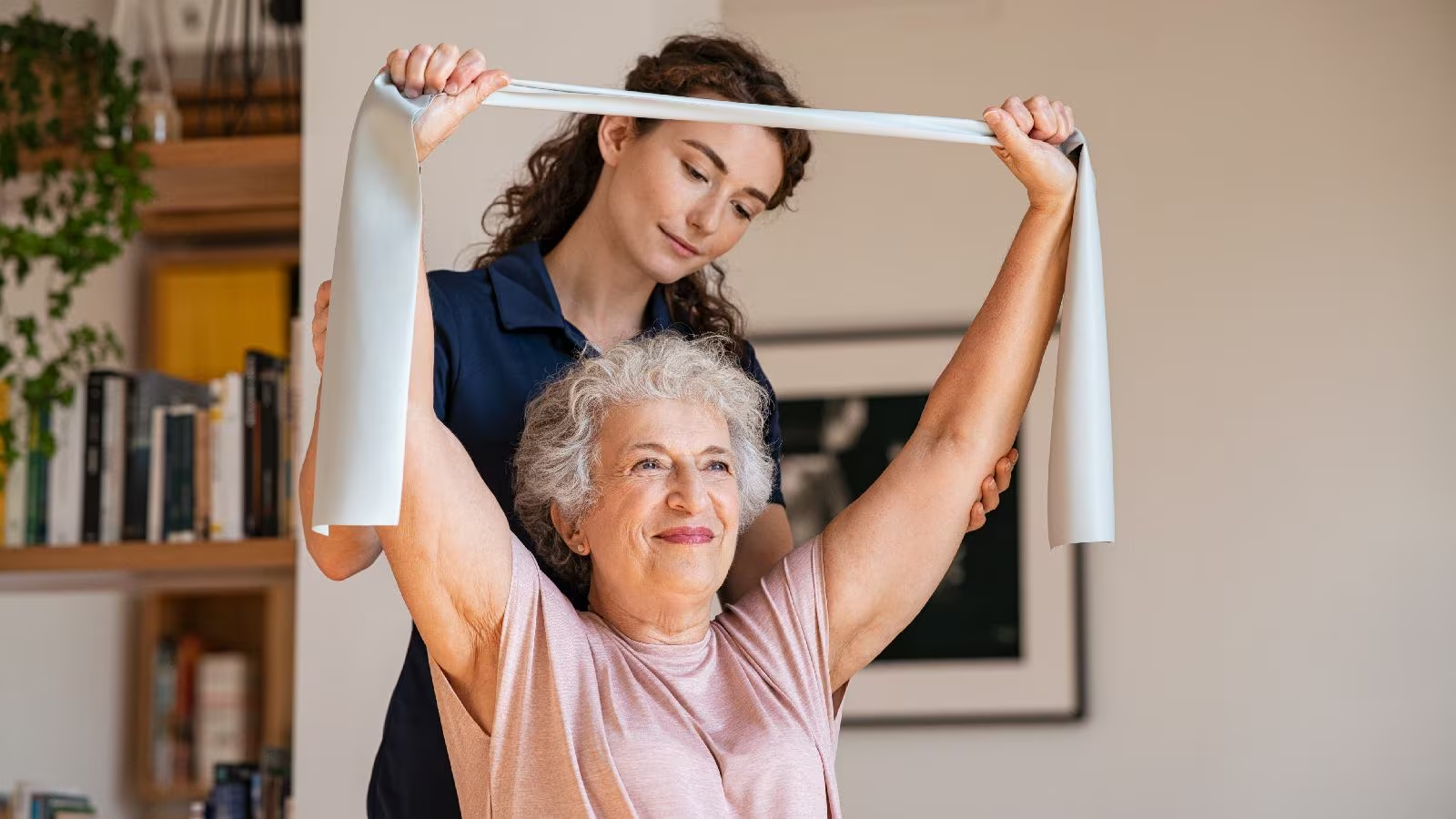
Strength Training for Seniors With Medical Supervision is becoming an essential approach to maintaining health, independence, and overall quality of life in older adults. As the body ages, natural changes such as muscle loss, reduced bone density, and decreased balance can make everyday activities more challenging and increase the risk of falls and injuries. Strength training helps counter these effects by improving muscle function, enhancing stability, and supporting better posture, allowing seniors to remain active and self reliant for longer.
At the same time, many older adults live with chronic health conditions or take medications that can affect how their bodies respond to physical activity. This is why medical supervision plays a crucial role in ensuring that exercise routines are safe, effective, and tailored to individual health needs. With proper guidance from healthcare professionals, seniors can engage in strength training with reduced risk, while also gaining the confidence to stay consistent and motivated.
In this article, we will explore the importance of strength training for seniors, the role of medical supervision in promoting safety, the key health benefits of regular exercise, and practical guidelines for creating personalized and effective training programs.
What Strength Training Means for Seniors
Strength training for seniors refers to a structured form of physical activity that focuses on improving muscle strength, endurance, and functional ability in older adults. It involves exercises that require the muscles to work against some form of resistance, such as body weight, resistance bands, light dumbbells, or specialized gym equipment. Unlike intense training programs designed for younger individuals, strength training for seniors emphasizes gradual progression, proper technique, and controlled movements to ensure safety and effectiveness.

As people age, the body naturally experiences a decline in muscle mass and strength, a condition known as sarcopenia. This decline can make everyday tasks more difficult and increase the risk of falls, injuries, and loss of independence. Strength training helps to slow down or even reverse some of these effects by stimulating muscle growth, improving coordination, and enhancing joint stability. It also supports better posture and reduces the likelihood of stiffness and discomfort associated with inactivity.
Recommended: Why Muscle Mass and Body Composition Are Key to Longevity
For seniors, strength training goes beyond physical appearance or athletic performance. Its primary goal is to improve quality of life by making daily activities easier and safer. Simple actions such as getting out of a chair, carrying groceries, or walking for longer distances become more manageable with improved muscle strength and balance. This type of training also contributes to better overall health by supporting bone density, boosting metabolism, and aiding in the management of chronic conditions such as diabetes and hypertension.
Importantly, strength training for seniors is often tailored to meet individual needs, especially when medical supervision is involved. Factors such as existing health conditions, fitness level, and mobility limitations are carefully considered when designing an exercise plan. This personalized approach ensures that seniors can safely participate in strength training while gaining maximum benefits, helping them stay active, confident, and independent for as long as possible.
Health Benefits of Strength Training for Seniors With Medical Supervision
Improved Muscle Strength and Endurance
Supervised strength training helps seniors gradually build muscle strength and stamina through safe and controlled exercises. With professional guidance, each movement is performed correctly, ensuring that muscles are effectively engaged without unnecessary strain. This improvement makes everyday tasks like lifting objects, walking, or climbing stairs much easier and less tiring.
Enhanced Balance and Reduced Risk of Falls
One of the major concerns for older adults is falling, which can lead to serious injuries. Supervised programs often include balance and stability exercises that strengthen the muscles responsible for posture and coordination. As a result, seniors gain better control over their movements, reducing the likelihood of falls and improving overall confidence in mobility.
Better Bone Health and Reduced Risk of Osteoporosis
Strength training places healthy stress on bones, which helps stimulate bone growth and increase bone density. Under medical supervision, seniors can safely perform weight bearing exercises that strengthen their skeletal system. This is especially important in preventing or managing osteoporosis and lowering the risk of fractures.
Recommended: Best High Calorie Mass Gainer Shakes for Skinny Guys
Effective Management of Chronic Conditions
Many seniors live with chronic illnesses such as hypertension, diabetes, or arthritis. Supervised strength training can help manage these conditions by improving blood circulation, regulating blood sugar levels, and reducing joint stiffness. Healthcare professionals ensure that exercises are tailored to each individual’s condition, making the program both safe and beneficial.
Improved Joint Function and Flexibility

Regular strength training helps maintain healthy joints by strengthening the muscles around them. This support reduces pressure on the joints and improves flexibility, making movements smoother and less painful. With supervision, seniors can avoid improper techniques that might otherwise worsen joint discomfort.
Boosted Mental and Emotional Well Being
Engaging in supervised exercise has positive effects on mental health. It helps reduce stress, anxiety, and symptoms of depression while improving mood and overall emotional balance. The structured and supportive environment also gives seniors a sense of accomplishment and boosts their self confidence.
Recommended: Healthy Weight Gain Meal Plan for Picky Eaters
Increased Independence and Quality of Life
Perhaps the most important benefit is the ability to maintain independence. As strength, balance, and endurance improve, seniors can carry out daily activities without relying heavily on others. This leads to a higher quality of life, allowing them to stay active, engaged, and confident in their daily routines.
Safe Strength Training Exercises for Seniors
Safe strength training exercises for seniors are designed to improve muscle strength and stability while minimizing the risk of injury. These exercises typically focus on low impact, controlled movements that are easy on the joints and adaptable to different fitness levels. When performed under proper guidance, they help seniors build strength gradually while maintaining safety and comfort.
Chair Squats
Chair squats are a simple yet effective lower body exercise. Seniors sit on a chair and slowly stand up without using their hands, then sit back down in a controlled manner. This exercise strengthens the thighs, hips, and glutes, and also improves balance and the ability to perform everyday movements like sitting and standing.
Wall Push Ups
Wall push ups are a safer alternative to traditional push ups. Seniors stand facing a wall, place their hands on it, and gently lower their body toward the wall before pushing back. This exercise strengthens the chest, shoulders, and arms without putting too much strain on the joints.
Recommended: Best Exercises to Lose Inner Thigh Fat and Tone Up
Seated Leg Raises
This exercise involves sitting on a chair and slowly extending one leg straight out, holding it for a few seconds, and then lowering it. It helps strengthen the thigh muscles and improves joint stability in the knees, making walking and standing easier.
Resistance Band Exercises
Resistance bands are excellent for seniors because they provide gentle, adjustable resistance. Exercises such as bicep curls, shoulder presses, and leg extensions can be done using bands. They are easy to use, portable, and reduce the risk of injury compared to heavy weights.
Heel Raises
Heel raises are performed by standing and slowly lifting the heels off the ground, then lowering them back down. This exercise strengthens the calf muscles and improves balance, which is essential for preventing falls.
Seated Dumbbell Curls

Using light dumbbells, seniors can perform bicep curls while seated. This helps build arm strength needed for lifting and carrying objects. Supervision ensures that the correct weight is used and movements are performed safely.
Step Ups
Step ups involve stepping onto a low platform or step and then stepping back down. This exercise improves leg strength, coordination, and balance. It mimics everyday activities like climbing stairs and can be adjusted based on the individual’s ability.
Recommended: Is Barre Blend Good for Weight Loss?
These exercises, when performed correctly and consistently, provide a safe and effective way for seniors to stay active and strong. With proper supervision and gradual progression, they can significantly enhance mobility, reduce the risk of injury, and support overall health.
Safety Guidelines and Precautions
Strength training for seniors can provide numerous health benefits, but safety is critical to ensure that exercises are effective and injury-free. Following proper guidelines and precautions helps older adults gain the advantages of strength training while minimizing risks, especially when medical conditions or mobility limitations are involved.
- Get a medical check-up first to assess health, review medications, and identify any limitations before starting strength training.
- Warm up and cool down with gentle movements or stretching to prepare muscles and joints and prevent stiffness or injury.
- Use proper technique during exercises to protect joints and muscles, with supervision from a fitness or medical professional if needed.
- Start slowly and progress gradually by beginning with light resistance and fewer repetitions, increasing intensity over time to avoid overexertion.
- Listen to the body and stop exercising if experiencing dizziness, chest pain, shortness of breath, or unusual fatigue.
- Stay hydrated and wear comfortable clothing and supportive footwear to maintain muscle function and reduce the risk of falls.
- Use supervision and support when needed to ensure exercises are safe, effective, and suitable for individual health conditions.
Conclusion
Strength training for seniors with medical supervision is a safe and effective way to maintain physical health, improve mobility, and enhance overall quality of life. When guided by healthcare or fitness professionals, seniors can participate in exercises that are tailored to their individual needs, ensuring safety while maximizing benefits.
Regular strength training helps build muscle, improve balance, support bone health, and manage chronic conditions, all of which contribute to greater independence and confidence in daily activities. By following proper safety guidelines and precautions, older adults can enjoy the physical, mental, and emotional advantages of exercise, making it an essential component of healthy aging.