

Muscle mass is very important for more than just physical strength; it is also important for overall health and longevity. As we get older, we naturally lose muscle, which can make us weak, less mobile, and more likely to get long-term illnesses. Keeping your muscles healthy helps your body stay strong, flexible, and able to do everyday tasks well.
Body composition, or the ratio of muscle to fat, is just as important as weight. People who have more muscle and less extra fat tend to have better metabolic health, a stronger immune system, and better hormone control. Instead of just looking at the number on a scale, looking at body composition gives a better picture of overall health and long-term well-being.
In this article, we will explore why having a lot of muscle and a healthy body composition is important for living a longer, healthier life. We will talk about how strength training and nutrition can help keep muscle, and practical ways to improve body composition for a healthier, more active future.
Understanding Muscle Mass
Most people think about losing weight or fat when they think about their health. Muscle mass is one of the most important things that affects how long you live. Muscles do more than just make us strong. They help our bodies work, keep our metabolism in check, and keep us healthy as we get older.

Muscle mass is the total weight of the muscles in your body, including skeletal muscles, smooth muscles, and the heart. For daily life and long-term health, skeletal muscles are the most important because they support movement, balance, and overall body function.
Recommended: Best Time to Drink Mass Gainer: Morning vs Night Results
It is also important to understand the difference between lean mass and fat mass. Lean mass includes muscles, bones, and organs and it burns calories even at rest. Fat mass stores energy, but too much around the organs can increase the risk of disease.
As you get older, your muscles naturally get weaker. After 30, adults lose 3 to 5 percent of muscle per decade in a process called sarcopenia. Staying active, getting enough protein, and living a healthy life can slow down this loss and help you stay strong, mobile, and independent.
Muscles are vital for longevity. They help control blood sugar, support hormones, boost the immune system, and keep bones and joints safe. Maintaining your muscles is not just about appearance. It is about living longer, moving easier, and staying healthy every day.
Body Composition Matters More Than Weight
Many people think the number on the scale tells the whole story about health. The truth is body composition is far more important than weight. Body composition shows how much of your body is lean mass like muscles and bones compared to fat mass.
Having more lean mass helps your metabolism and your health in general. Even when you’re not moving, lean mass burns calories. Fat mass stores energy, but having too much of it, especially around the organs, can raise the risk of heart disease, diabetes, and other long-term health problems.
Two people can weigh the same but have very different body compositions. One may have more muscle and less fat, while the other has less muscle and more fat. The person with more muscle will generally be healthier and stronger, even at the same weight.
Instead of just losing weight, working on improving your body composition can help you in the long run. Strength, mobility, and longevity are all helped by building muscle, keeping bones healthy, and keeping fat in a healthy range.
Why Muscle Mass and Body Composition Are Key to Longevity
A lot of people think that being healthy is just about your weight or diet, but having a lot of muscle and a healthy body composition are much more important. The amount of muscle mass you have and how your body is made up affect your metabolism, strength, risk of disease, and overall quality of life. Understanding why they matter can help you make choices that support long-term health.

Muscle Mass: Why It Matters
- Why muscles support metabolism: Muscles are metabolically active, which means they burn calories even when you are resting. More muscle helps your body process sugars and fats efficiently, lowering the risk of obesity and type 2 diabetes.
- Why muscles protect bones and joints: Strong muscles support your skeleton, reducing the risk of fractures, falls, and joint problems. Preserving muscle mass is especially important as you age when bones naturally weaken.
- Why muscles improve strength and mobility: Muscle loss leads to weakness and difficulty performing everyday tasks. Maintaining muscle allows you to stay independent, move freely, and enjoy a higher quality of life.
- Why muscles influence hormones and immunity: Muscles play a role in regulating hormones like growth hormone and testosterone, which affect aging, energy, and body composition. Healthy muscles also support immune function and recovery from illness.
Recommended: Best High Calorie Mass Gainer Shakes for Skinny Guys
Body Composition: Why It Matters
- Why lean mass matters more than weight: Lean mass includes muscles, bones, and organs. A higher proportion of lean mass supports metabolism, strength, and energy levels, regardless of what the scale says.
- Why fat distribution affects health: Fat around your organs, known as visceral fat, is linked to higher risks of heart disease, diabetes, and inflammation. Maintaining healthy body composition helps reduce these risks.
- Why body composition affects longevity: Two people of the same weight can have very different health outcomes. The one with more muscle and less fat is likely to live longer and have better overall health.
- Why improving composition is achievable: Diet, exercise, and lifestyle choices can shift your body composition in favor of muscle and away from excess fat. This is more important than simply losing weight.
Lifestyle Factors That Influence Muscle Mass and Longevity
Maintaining strong muscles and a healthy body composition is not just about genetics or age. Your daily lifestyle choices play a crucial role in how your muscles age and how long you stay healthy. Here are the key factors that influence muscle and longevity:
1. Physical Activity
Exercise is the most important factor for preserving muscle mass. Strength training builds and maintains muscle mass, while aerobic exercise supports heart health and overall endurance. In contrast, sitting for long periods or living a sedentary lifestyle accelerates muscle loss and reduces mobility over time.
2. Nutrition
Muscles need the right fuel to grow and repair. Protein is essential, as it provides the building blocks for muscle tissue. Vitamins and minerals like vitamin D, calcium, and magnesium support bone health and muscle function. Balanced meals with lean proteins, vegetables, and whole grains help your muscles recover and stay strong.
3. Sleep
Muscle recovery happens mainly during sleep. Poor or insufficient sleep can slow muscle repair and reduce energy levels, which affects strength and overall health. Adults should aim for 7 to 9 hours of quality sleep each night to support muscle maintenance and longevity.
4. Stress Management
Chronic stress increases cortisol, a hormone that can break down muscle tissue and reduce protein synthesis. Stress also interferes with sleep and recovery. Techniques like meditation, deep breathing, yoga, or mindful activities can help manage stress and protect your muscles.
5. Avoiding Harmful Habits
Smoking decreases oxygen delivery to muscles and slows repair. Excess alcohol consumption interferes with muscle protein synthesis and can lead to fat gain. Avoiding these habits while focusing on healthy behaviors supports strong muscles and a healthy body composition for the long term.
Recommended: How to Gain Weight with a Fast Metabolism and Low Appetite
Exercise Strategies for Maintaining Muscle
Keeping your muscles strong and healthy requires more than occasional activity. The right type of exercise can preserve muscle mass, improve metabolism, and support overall longevity. Here are the key exercise strategies to focus on:
1. Strength Training
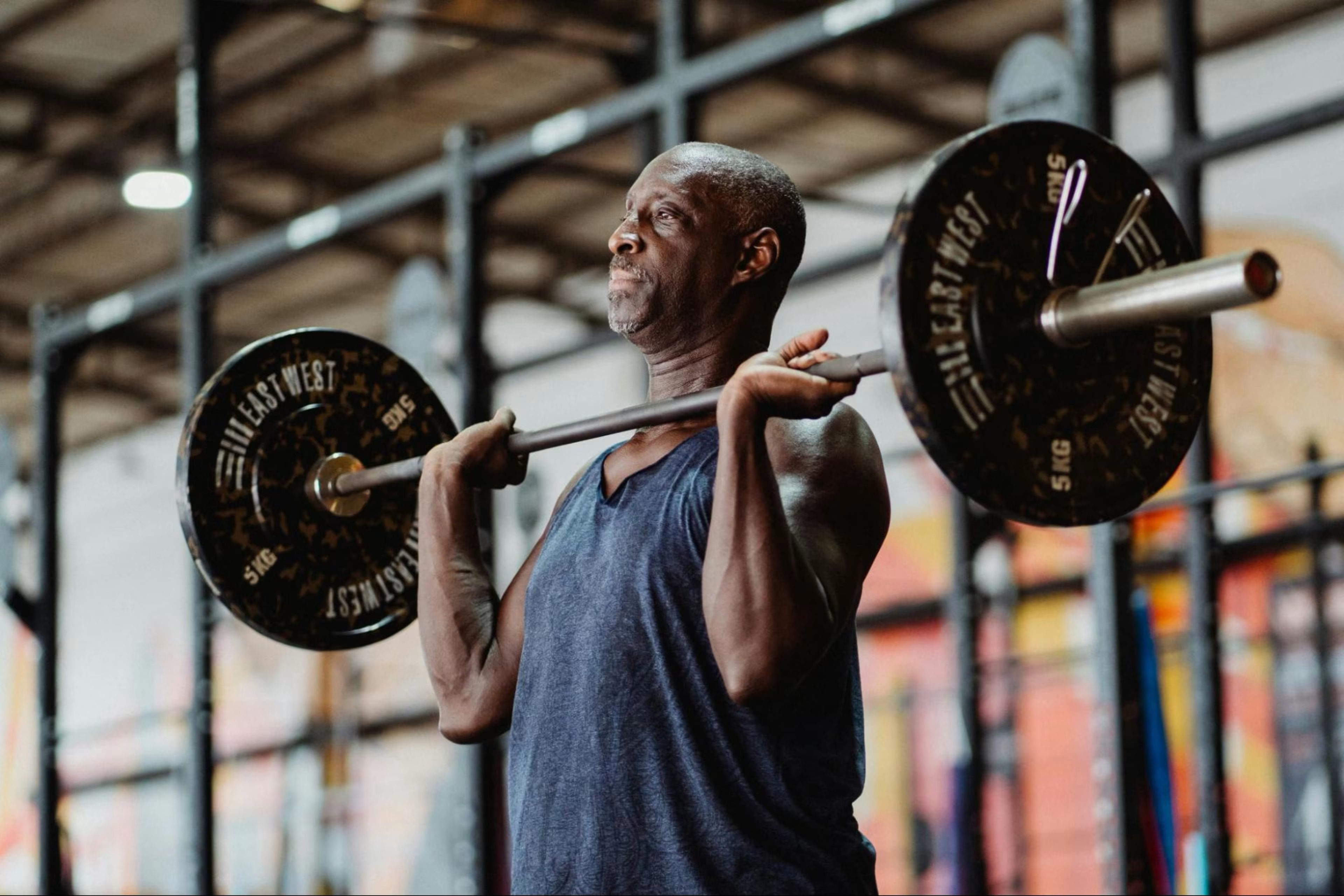
Weightlifting, bodyweight exercises, and resistance bands are all types of resistance exercises that are important for building and keeping muscle. Strength training makes muscle fibres work harder, helps the body make more protein, and stops muscle loss that comes with age. Two to three times a week can make a big difference.
2. Aerobic Exercise
Walking, swimming, biking, or jogging are all examples of cardio exercises that are good for your heart and lungs. These exercises help blood flow to your muscles. Aerobic exercise also helps control blood sugar, lowers fat around the organs, and works well with strength training to improve body composition.
Recommended: Best Chest Workouts at Home Without Equipment for Beginners
3. Flexibility and Mobility Work
Stretching, yoga, or exercises that improve mobility can help keep your joints healthy, increase your range of motion, and lower your risk of getting hurt. It is safer to do strength and aerobic exercises when your muscles and joints are flexible. This helps keep your muscles healthy over time.
4. Functional Training
Squats, lunges, and carrying weights are all examples of exercises that mimic everyday activities. These exercises help you keep the strength you need for everyday life. Functional training helps you stay balanced, coordinated, and in control of your muscles, which lowers your risk of falling as you get older.
To keep your muscles healthy, you need to work out regularly and slowly increase the intensity. Consistently making your muscles work harder by using heavier weights, doing more reps, or working out for longer periods of time helps them grow and keeps them from getting weaker. It’s better to work out for short periods of time several times a week than to do long workouts every now and then.
Conclusion
Muscle mass and body composition are more than just physical traits. They are strong signs of health, how long you will live, and how good your life is. Keeping your muscles strong and your body fat and lean mass in a healthy balance helps your metabolism, mobility, bones, and lowers your risk of chronic diseases.
Making healthy lifestyle choices is very important for keeping muscle and improving body composition. To keep your muscles strong and your body working well, you need to work out regularly, eat well, get enough sleep, manage stress, and stay away from bad habits.
Your muscles will stay active and your body will stay strong if you focus on strength training, aerobic activity, flexibility, and functional exercises. When you eat a balanced diet with enough protein and key vitamins and minerals, this gives your body the energy it needs to keep its lean mass.
There are more benefits to focusing on muscle mass and body composition than just how you look. They help you stay independent, avoid injuries, boost your immune system, and improve your overall health. Strong muscles and a healthy body composition are the real keys to living a long, healthy life.