
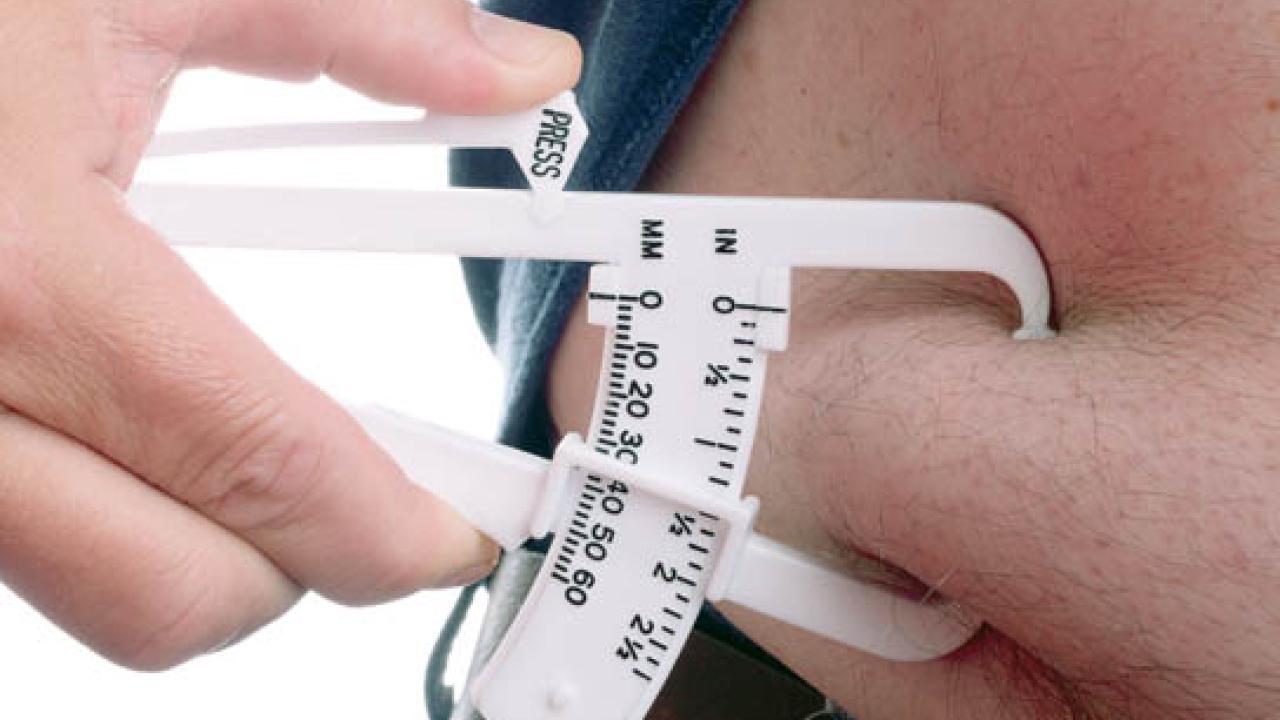
BMI is one of the most commonly used tools for assessing whether a person has a healthy body weight. It is a straightforward calculation derived from height and weight, commonly employed by healthcare professionals, fitness experts, and individuals to classify weight status. BMI has become a standard in medical settings and public health research because it is easy and cheap to measure.
Despite its popularity, BMI does not always give a complete picture of a person’s health. It does not distinguish between muscle and fat, nor does it account for factors like age, gender, or fat distribution. This means that some people may be classified as healthy or unhealthy based on BMI alone, even when their actual health status suggests otherwise.
In this article, we will explain what BMI is and how it is calculated, explore its advantages and disadvantages, and compare it with other health indicators to better understand whether it is a reliable measure of overall health.
What Is BMI?
BMI, or Body Mass Index, is a numerical value used to estimate whether a person has a healthy body weight in relation to their height. It is calculated by dividing a person’s weight in kilograms by the square of their height in meters. The result places individuals into categories such as underweight, normal weight, overweight, or obese.

People use BMI a lot because it is easy, quick, and does not need any special tools. Healthcare providers frequently utilise it as a screening instrument to detect potential weight-associated health risks, including cardiovascular disease, diabetes, and hypertension. Researchers also use it a lot to look at changes in population health over time.
Recommended: Do I Need to Use GLP-1 Agonists for Weight Loss?
However, BMI is not a direct measure of body fat or overall health. It does not account for differences in muscle mass, bone density, or fat distribution, which means it should be considered alongside other health assessments rather than used on its own.
How BMI Is Calculated
BMI is calculated using a simple mathematical formula that compares a person’s weight to their height. It is designed to give a general estimate of body weight in relation to height.
The standard way to calculate BMI is to divide your weight in kilograms by the square of your height in meters. This means you divide your weight by your height times itself.
For example, if someone weighs 70 kilograms and is 1.75 meters tall, their BMI would be 70 divided by (1.75 times 1.75), which is about 22.9.
After calculating the value, it is then compared to standard BMI categories. These groups help figure out if someone is underweight, at a healthy weight, overweight, or obese.
While the calculation is quick and easy, it is important to understand that BMI is only an estimate and does not directly measure body fat or overall health.
Is BMI Really a Reliable Indicator of Health?
BMI can be a useful starting point for assessing health, but it is not entirely reliable on its own. It is a quick and standard way to find out if someone might be at risk for health problems related to their weight, like heart disease, diabetes, and high blood pressure. Because it is simple and cost-effective, it is widely used in healthcare and public health research to track trends and screen large populations. In this sense, BMI works well as a general guideline rather than a precise measurement.
However, BMI has several limitations that affect its accuracy. One major issue is that it does not distinguish between muscle and fat. For example, athletes or individuals with high muscle mass may have a high BMI but very low body fat, leading to misclassification. BMI does not take into account where fat is stored in the body, even though having too much fat in the stomach is more closely linked to health problems. It also ignores things like age, gender, and race, which can all affect how body weight affects health.

Because of these limitations, BMI should not be used as the sole indicator of health. Other tests, like waist circumference, body fat percentage, blood pressure, and cholesterol levels, are needed for a more accurate assessment. Healthcare providers can get a better and more complete picture of a person’s overall health by using BMI along with these other measures.
Recommended: Is Pomegranate Good for Weight Loss?
The Pros of Using BMI
BMI offers several advantages that make it a widely used and practical tool for assessing weight status and potential health risks. Understanding these benefits helps explain why it continues to be a popular measure in healthcare and public health.
Simple to Calculate
To find your BMI, all you need to do is measure your height and weight. Because it is so simple, anyone can quickly figure it out without needing special tools or training. This makes it easy for both healthcare professionals and regular people to use.
Standardized and Widely Recognized
Because BMI is used globally, it provides a consistent standard for comparing weight categories across populations. This uniformity makes it useful in research studies and public health reports, enabling reliable data collection and analysis.
Useful as a Screening Tool
BMI can help find people who may be at risk for health problems related to being overweight, like heart disease, diabetes, high blood pressure, and some cancers. While it does not diagnose these conditions, it serves as a first step to flag potential concerns that may require further evaluation.
Cost-Effective and Accessible
BMI does not require expensive tests, laboratory equipment, or medical procedures. This makes it suitable for use in clinics, schools, workplace health programs, and community health screenings, ensuring that more people can be assessed easily.
Helpful for Public Health Monitoring
Governments and health organisations can use BMI data to keep an eye on trends in the number of people who are overweight, obese, or underweight. This information is very important for planning health campaigns, interventions, and where to put resources in communities with a lot of risk.
Encourages Health Awareness
Seeing a BMI result can motivate individuals to pay attention to their weight and lifestyle habits. It can serve as a simple, tangible metric to monitor progress when making dietary changes, increasing physical activity, or addressing health goals.
Recommended: Is Barre Blend Good for Weight Loss?
Supports Research and Policy Making
Researchers use BMI data to look at how weight affects health in different groups of people. Policymakers also use BMI data to come up with programs that help people lose weight, learn about nutrition, and manage chronic diseases.
The Cons of Using BMI
While BMI is widely used, it has several limitations that can make it an unreliable indicator of individual health. Understanding these drawbacks is important before relying on BMI as the sole measure of health.
Does Not Differentiate Between Muscle and Fat
BMI only tells you how much weight you have compared to your height, not what your body is made of. This means that people who are overweight or obese may not have a lot of body fat, but they may have a lot of muscle. On the other hand, a person with low muscle mass may have a “normal” BMI but still have a lot of body fat.
Ignores Fat Distribution

BMI does not provide information about where fat is stored in the body. Central or abdominal fat is more strongly associated with health risks like heart disease, diabetes, and stroke, but two people with the same BMI can have very different fat distributions and risk profiles.
Does Not Consider Age, Gender, or Ethnicity
Factors like age and gender influence body composition, and ethnic groups may have different health risks at the same BMI. For example, people of Asian descent may develop health issues at lower BMIs than Western populations, while older adults may have normal BMI but higher fat percentage due to muscle loss.
May Mislead About Overall Health
BMI provides only a general estimate of weight status, not a complete picture of health. Someone with a “normal” BMI could still have high cholesterol, insulin resistance, or other metabolic issues, while a person classified as overweight might be physically fit and metabolically healthy.
Recommended: What to Look for in At-Home Gut Health Test Kits
Not a Diagnostic Tool
BMI should only be used as a screening measure to indicate potential health risks. It cannot diagnose diseases or measure fitness, cardiovascular health, or nutritional status. Relying solely on BMI may lead to over- or underestimation of health risks.
Limited Use for Children and Older Adults
BMI calculations for children require age, sex, and specific charts, and for older adults, changes in muscle mass and bone density can make BMI less accurate. Special considerations are needed for these populations to avoid misclassification.
Does Not Reflect Lifestyle Factors
BMI does not account for diet quality, physical activity, smoking, alcohol use, or other lifestyle factors that strongly influence overall health, meaning someone with a “healthy” BMI may still have unhealthy habits.
Who Should Be Cautious Using BMI
- Athletes and Highly Muscular Individuals: People with high muscle mass may have a high BMI despite having low body fat. This can lead to misclassification as overweight or obese even when they are healthy and fit.
- Older Adults: As people age, they naturally lose muscle mass and may gain fat even if their weight remains stable. BMI may underestimate body fat in older adults, giving a misleading impression of good health.
- Children and Adolescents: BMI calculations for children must be interpreted using age, sex and specific growth charts. Using adult BMI standards for young people can lead to incorrect conclusions about their growth and weight status.
- Different Ethnic Groups: Research shows that some ethnic groups may experience health risks at lower or higher BMIs than others. For example, Asian populations may develop metabolic issues at lower BMIs, while some African populations may have higher lean body mass, affecting BMI interpretation.
- People with Certain Health Conditions: Conditions that affect body composition, such as hormonal disorders, eating disorders, or edema (fluid retention), can make BMI an unreliable measure of health.
BMI can still provide a general guideline, but for these groups, additional measurements such as body fat percentage, waist-to-hip ratio, and other health markers are recommended to get a more accurate assessment of overall health.
Conclusion
BMI is a common and easy way to check your weight and find out if you are at risk for health problems. It is useful for both people and healthcare providers as a quick screening tool because it is easy to use, cheap, and standardised around the world. It is also useful for keeping an eye on population trends and helping with public health research.
However, BMI has significant limitations. It does not differentiate between muscle and fat, ignores fat distribution, and does not account for factors such as age, gender, ethnicity, or lifestyle habits. This means that while BMI can indicate potential risks, it cannot provide a complete picture of an individual’s overall health.
For a more accurate assessment, BMI should be used alongside other health indicators, including body composition measurements, waist circumference, blood pressure, and metabolic markers. By combining BMI with these additional tools, individuals and healthcare providers can better understand health risks and make informed decisions about diet, exercise, and lifestyle.