
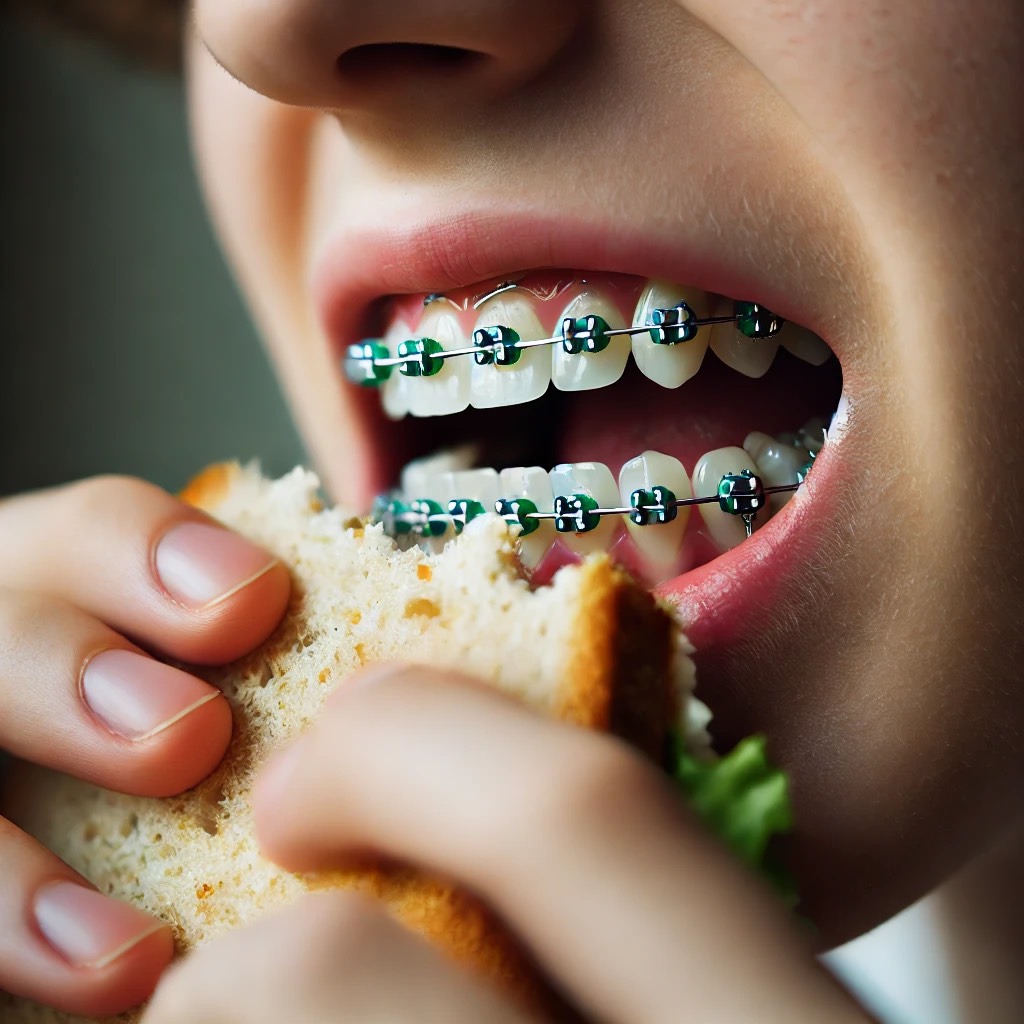
High calorie soft foods are essential for individuals wearing braces or recovering from dental work, as chewing hard or crunchy foods can be uncomfortable or even painful during this period. Limited food choices can often lead to reduced calorie intake, which may affect energy levels, healing, and overall nutrition.
In this article, we will discuss why high calorie soft foods are important during braces or dental recovery, the best nutrient-dense soft food options to include in your meals, and practical ways to increase calorie intake without straining your teeth or gums.
Why High-Calorie Soft Foods Matter During Braces or Dental Recovery
When you have braces or are recovering from dental procedures, your ability to chew and bite can be limited. Hard, crunchy, or sticky foods may cause pain, damage dental work, or slow the healing process. During this time, it is easy to unintentionally eat fewer calories than your body needs, which can lead to fatigue, slower recovery, or even weight loss.

High-calorie soft foods provide the energy and nutrients your body requires while being gentle on your teeth and gums. They allow you to maintain a balanced diet, support healing, and ensure you get enough protein, healthy fats, and carbohydrates. Choosing soft, calorie-dense options also helps prevent nutrient deficiencies and keeps you feeling satisfied between meals without causing discomfort.
Recommended: Best Mouth Wash for Bad Breath with Braces
In short, high-calorie soft foods help you stay nourished, energized, and comfortable while protecting your oral health.
Best High-Calorie Soft Foods for Braces or Dental Work
Eating high-calorie soft foods is essential when you have braces or are recovering from dental work: these foods provide energy, protein, healthy fats, and essential vitamins while being gentle on teeth, gums, and sensitive areas. They help maintain proper nutrition, support healing, and prevent weight loss during times when chewing is limited.
1. Dairy-Based Soft Foods
Dairy foods are excellent for calcium, protein, and vitamins needed for strong teeth, bones, and tissue repair: full-fat varieties provide more calories for energy:
- Yogurt and Greek yogurt: Creamy, soft, and rich in protein. Yogurt with added honey, mashed bananas, or soft fruits provides extra calories, probiotics for gut health, and helps keep you full longer: Greek yogurt is thicker and higher in protein, which is perfect for recovery
- Puddings and custards: Smooth, sweet, and easy to swallowThey are high in calories, especially when made with whole milk or cream. They can also be fortified with protein powders for added nutrition
- Soft cheeses like cream cheese or ricotta: High in fat and protein, can be spread on soft bread, added to mashed vegetables, or blended into sauces to increase both flavor and calorie content
2. Smoothies and Shakes
Smooth drinks are perfect when chewing is painful. They are versatile and can be tailored for protein, healthy fats, and calorie density:
- Fruit and vegetable smoothies: Blend soft fruits like bananas, berries, or mango with milk, yogurt, or nut milk: add avocado or nut butter to increase healthy fats: vegetables like spinach or cooked carrots can boost vitamins without affecting the texture
- Protein shakes: Support muscle maintenance and overall energy. Mix protein powder with milk or plant-based milk, and add soft fruits, honey, or nut butter for extra calories
- Meal replacement shakes: Convenient when solid foods are difficult to eat. Choose ones with balanced protein, fat, and carbohydrate content
3. Soft Carbohydrates
Soft carbs give energy and are easy to digest. Pairing them with protein or healthy fats can create calorie-dense, filling meals:
- Mashed potatoes and sweet potatoes: Smooth, creamy, and easy to swallow. Adding butter, cream, or olive oil boosts calories. Sweet potatoes also provide vitamin A for healing and immunity
- Oatmeal and porridge: Gentle on the mouth and filling. Enrich with milk, nut butter, or mashed fruits for extra calories and nutrients. You can also blend oatmeal into smoothies if chewing is difficult
- Soft bread soaked in milk: Softens breads or pastries for easy swallowing. Provides carbohydrates for energy and can be paired with soft cheeses or spreads to increase calories
4. Protein-Rich Soft Foods
Protein is vital for healing, tissue repair, and maintaining muscle mass, especially when food intake is reduced:
- Scrambled or soft-boiled eggs: Easy to chew, packed with protein, and versatile for any meal: eggs can also be blended into soft omelets with milk or cheese for extra calories
- Tofu and soft legumes: Tofu is soft and easily digestible, high in protein, and can be added to soups, stews, or smoothies: mashed or pureed beans provide protein, fiber, and calories in an easy-to-eat form
- Soft-cooked fish or shredded chicken: Tender fish like salmon or tilapia, and shredded chicken, provide protein without heavy chewing. Cook in sauces or soups to keep them soft and moist
Recommended: Can a Dental Bridge Be Removed and Recemented?
5. Healthy Fats in Soft Form
Healthy fats are calorie-dense, support brain function, and increase satiety. They are easy to add to soft foods without adding bulk:
- Avocado: Creamy, nutrient-rich, and packed with monounsaturated fats. Mash it and mix into smoothies, soft sandwiches, or soft cereals
- Nut butters: High in calories and healthy fats. Blend into oatmeal, porridge, or smoothies, or spread on soft bread for a quick calorie boost
- Olive oil or coconut oil: Can be drizzled over mashed vegetables, added to soups, or blended into soft foods for extra calories and smooth texture
Soft Foods to Avoid with Braces or After Dental Procedures

While soft foods are generally safe for braces or dental recovery, some soft foods can still cause problems or delay healing. It’s important to know which foods to avoid to protect your teeth, gums, and dental work:
- Caramel, taffy, chewy candies, soft gummies, fruit chews: These can stick to braces or teeth, pull on wires, and increase the risk of cavities.
- Crusty bread or bagels (even when softened), certain cookies or crackers: They may seem soft but can crumble into hard pieces that irritate gums or get stuck in braces.
- Citrus fruits or juices (oranges, lemons, grapefruits): High acidity can irritate sensitive gums or enamel.
- Sweetened puddings or gelatin desserts: High sugar content increases the risk of tooth decay if proper oral hygiene is not maintained.
- Raw or undercooked vegetables (carrots, broccoli stems), large chunks of soft meat: These can strain teeth and braces, causing discomfort or damage.
- Soda, sparkling water: The carbonation and acidity can irritate healing gums and erode enamel.
Meal Planning Tips for Braces or Dental Recovery
Planning your meals carefully while wearing braces or recovering from dental work can make eating easier, more enjoyable, and nutritionally balanced. Here are some tips to help you stay nourished, maintain energy, and protect your oral health:
1. Focus on Soft, High-Calorie Foods
Include foods that are gentle on teeth and gums but still provide enough calories, protein, and healthy fats. Examples include yogurt, mashed potatoes, smoothies, scrambled eggs, and avocado.
2. Combine Nutrients in Each Meal
Aim to include a balance of carbohydrates, protein, and healthy fats in every meal: this helps maintain energy levels, supports healing, and prevents fatigue. For example, pair mashed sweet potatoes with soft-cooked fish and a drizzle of olive oil.
3. Prepare Foods in Easy-to-Eat Forms
- Mash, blend, or puree foods to make them easy to swallow and gentle on braces or sensitive gums.
- Cut soft foods into small pieces to prevent accidental pressure on teeth.
- Avoid foods that require biting, chewing, or pulling.
Recommended: Dental Night Guard Side Effects
4. Use Calorie Boosters
When portion sizes are limited, increase calories by adding butter, cream, nut butters, oils, or full-fat dairy to soft foods. This ensures you get enough energy without straining your teeth.
5. Plan Snacks Between Meals
Include high-calorie, soft snacks like smoothies, yogurt with honey, protein shakes, or mashed avocado to keep energy levels up and prevent hunger.
6. Stay Hydrated

Drink plenty of fluids, preferably water, milk, or nutrient-rich smoothies. Avoid fizzy or acidic drinks that can irritate sensitive gums or teeth.
7. Prepare Meals in Advance
Batch-cook or pre-blend meals so you always have soft, easy-to-eat options ready. This reduces stress and ensures you don’t skip meals due to discomfort.
8. Monitor Your Oral Health
- Rinse or brush gently after meals, especially after sugary or sticky soft foods.
- Avoid foods that can get stuck in braces or irritate healing gums.
- Consult your dentist or orthodontist if you notice any pain, swelling, or difficulty eating.
Recommended: What Are The Pros And Cons Of Dental Implants?
9. Variety Is Key
Rotate different soft foods to get a wide range of nutrients and prevent food fatigue. Include dairy, proteins, healthy fats, and soft carbohydrates throughout the week.
10. Listen to Your Body
Eat when hungry and avoid pushing foods that cause discomfort. Soft foods should provide nourishment without pain or irritation.
Conclusion
High-calorie soft foods play a vital role for anyone wearing braces or recovering from dental procedures: they provide essential nutrients, protein, healthy fats, and energy while being gentle on teeth and gums. Choosing the right foods ensures proper healing, maintains energy levels, and prevents nutrient deficiencies or weight loss during recovery.
By focusing on nutrient-dense soft foods, combining carbohydrates, protein, and healthy fats, and avoiding sticky, crunchy, or overly acidic items, you can enjoy meals safely and comfortably. Planning your meals, incorporating calorie boosters, and including a variety of soft foods will make eating easier and more satisfying during this period.
With careful selection and preparation, soft foods can be both nourishing and enjoyable, helping you stay healthy, energized, and on track while protecting your oral health.