
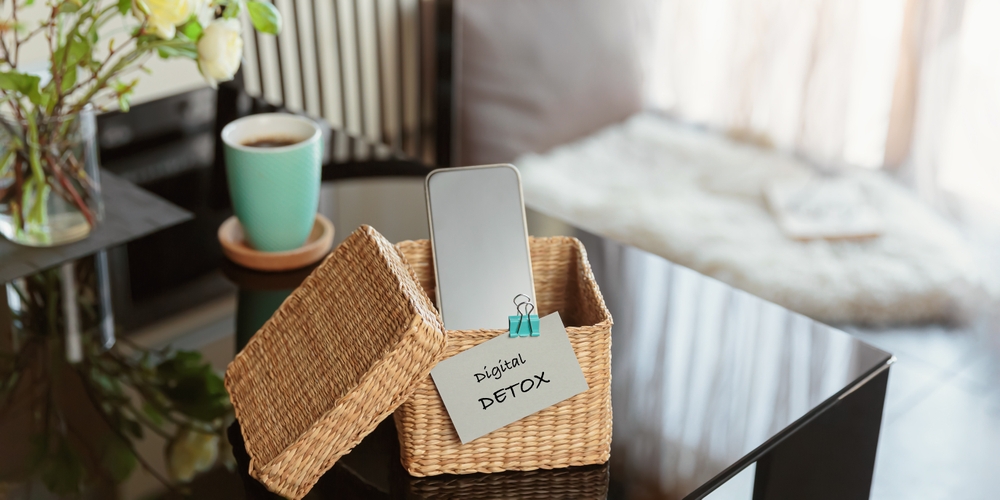
Digital detox is becoming essential in a world dominated by screens. Smartphones, laptops, and tablets keep our minds busy long after the day is over, which makes it harder to fall asleep and get the deep sleep we need to feel better. Poor sleep can make it hard for many people to stay awake during the day, wake up often at night, or focus.
Screen time before bed can change how much melatonin your body makes. Melatonin is the hormone that controls sleep. Blue light from screens can make it harder to fall asleep and get less deep sleep. Over time, this can make you tired, stressed, and less healthy overall.
A digital detox does not mean completely avoiding technology. It is about making rules and limits that help your body and mind relax. Replacing screen time with relaxing activities and sticking to a regular schedule can make a big difference in how well you sleep.
In this article, we will discuss how to create a digital detox schedule for better deep sleep, how screen use affects sleep, how to recognize when a detox is needed, and practical routines and tips to reduce distractions.
What is a Digital Detox?
A digital detox is a period of time when you intentionally reduce or avoid the use of digital devices such as smartphones, computers, tablets, and social media. The goal is to give your mind and body a break from being around screens all the time, which can make you tired, stressed, and have trouble sleeping.

Digital detoxes can be short, like a few hours before bedtime, or longer, like a whole day or weekend without screens. The goal is not to get rid of all technology, but to set healthier limits that let you focus on taking care of yourself and doing things in the real world.
Recommended: Orthosomnia: How to Stop Obsessing Over Sleep Tracker Data
During a digital detox, people often do things like read, meditate, work out, or spend time outside instead of looking at screens. These things help the brain relax, lower stress, and keep natural sleep patterns going.
Regular digital detoxes can help you focus better, feel better, and be healthier overall. Most importantly, it can help your body get deeper, more restorative sleep, which is good for both your body and mind.
Why a Digital Detox Improves Deep Sleep
Reducing screen time before bed helps your body produce melatonin, the hormone that signals it is time to sleep. Blue light from phones, tablets, and computers can stop the body from making melatonin, which makes it harder to fall asleep and get deep, restorative sleep.
A digital detox also helps your brain relax by getting rid of all the notifications and distractions. It is easier to relax, fall asleep faster, and stay asleep when your mind is less active.
Limiting how much you use your phone or computer can help you feel less stressed and anxious about work, social media, or news alerts. Regular digital detoxes over time improve the quality and length of deep sleep, so you wake up feeling more rested and full of energy every morning.
Signs You Need a Digital Detox for Better Sleep
Difficulty Falling Asleep
If you lie in bed for a long time before falling asleep, it could be because your brain is too busy from using screens. Scrolling through social media, watching videos, or replying to emails are all things that keep your mind busy, which makes it harder to relax and fall asleep deeply.
Recommended: Does Blue Light Blocking Really Help Sleep Quality?
Frequent Nighttime Awakenings
If you wake up a lot during the night or have trouble sleeping, it could mean that your body is not getting into or staying in deep sleep. Devices that give off blue light can stop the production of melatonin, which messes up your natural sleep cycle and makes the restorative stages of sleep shorter.
Morning Grogginess and Low Energy
You might still feel tired, sluggish, or mentally foggy when you wake up, even if you got enough sleep. This can happen because too much time spent in front of a screen keeps you from getting deep sleep, which means your body can not fully repair itself and get more energy overnight.
Increased Stress or Anxiety from Device Use

Another sign is feeling tense, anxious, or mentally drained after using digital devices for a long time. Notifications, news updates, or work-related messages that come in all the time can make your body react with stress. This stress can make it harder to relax at night, which makes sleep even worse.
Difficulty Concentrating During the Day
Screen time can make it hard to focus, make you forget things, or make you feel mentally tired. Not getting enough deep sleep hurts memory, cognitive function, and decision-making, which shows a clear link between digital habits and how well you do each day.
Recommended: Natural Ways to Wake Up Without an Alarm Clock
Setting Up Your Digital Detox Schedule
Making a schedule for a digital detox can help your body and mind get ready for deep, restful sleep. Setting limits and slowly cutting back on screen time, especially in the hours before bed, is the most important thing. Having a regular schedule can help you fall asleep, stay asleep, and wake up feeling better.
1. Set a Screen Curfew
Set a time in the evening to stop using your devices. For instance, turning off your phone, laptop, and TV at least one to two hours before bed can help your brain get ready to sleep. Reading, writing in a journal, or listening to soft music are all good ways to relax during this time.
2. Create Tech-Free Zones
Set aside some rooms in your house, like your bedroom, as places where devices are not allowed. Keeping screens out of your sleep environment reduces the temptation to check messages or browse social media late at night. This helps your mind associate the bedroom with rest rather than stimulation.
3. Replace Screen Time with Relaxing Activities
Do things that help you relax your mind and body. Gentle stretches, meditation, deep breathing exercises, or writing in a journal can help you relax and tell your brain that it is time to stop working. Stay away from things that make you think or feel strongly.
4. Limit Morning Screen Exposure
Digital detoxes usually happen at night, but keeping track of how much time you spend on screens in the morning can also help you sleep better. To keep your brain from getting too excited too early in the day, try not to use your phone or social media until after breakfast.
Recommended: Can Red Light Therapy Cause Cancer?
5. Gradually Adjust Your Schedule
If you use a lot of devices, make small changes at first. Cut back on your screen time by 15 to 30 minutes every night until you reach your goal. Being consistent is more important than being perfect, and making small changes over time is easier to stick with.
Following these steps will help you make a routine that lets your mind and body relax on their own, which will help you get deeper, more restorative sleep over time.
Digital Detox Schedule for Better Deep Sleep

Creating a structured digital detox schedule can help train your mind and body to relax naturally, making it easier to fall asleep and stay in deep restorative sleep. Below is a sample evening routine that balances relaxation and limited screen use.
- 6:00 PM – Limit Work-Related Screen Time: Begin winding down by finishing work or study-related tasks on your computer or phone. Avoid checking emails or messages that may trigger stress.
- 7:00 PM – Reduce Entertainment Screens: Turn off televisions, tablets, and gaming consoles. Instead, focus on low-stimulation activities like reading a book, journaling, or light household tasks.
- 8:00 PM – Engage in Calming Activities: Practice meditation, deep breathing, or gentle yoga to relax both your mind and body. Listening to soft music or taking a warm bath can also signal your brain that bedtime is approaching.
- 9:00 PM – Prepare Your Sleep Environment: Make your bedroom a screen-free zone. Dim the lights, adjust the room temperature, and create a quiet, comfortable space that promotes sleep. Avoid scrolling through your phone during this time.
- 9:30 PM – Bedtime Routine: Follow a consistent bedtime routine such as brushing your teeth, washing your face, and writing down any thoughts in a journal. This helps signal to your brain that it is time to sleep.
- 10:00 PM – Lights Out: Aim to go to bed at the same time every night. By this point, you have minimized screen exposure, reduced mental stimulation, and prepared your body for deep, restorative sleep.
Consistency is key. Even small adjustments to your evening routine can make a noticeable difference in sleep quality. Over time, your body will naturally adapt to this schedule, making it easier to fall asleep, stay asleep, and wake up refreshed.
Conclusion
A digital detox is an easy yet effective method to enhance your general health and sleep quality. You can relax your mind, get deeper, more restorative sleep cycles, and let your body produce melatonin naturally by cutting back on screen time, especially in the hours before bed.
A regular routine, designated tech-free areas, and relaxing pre-bedtime activities can all have a big impact on your sleep quality. In addition to improving your quality of sleep at night, these practices also improve your focus, mood, and physical well-being during the day.
Starting small and being consistent is key. Even gradual adjustments to your daily routines can help you build healthier sleep habits and reduce the negative effects of digital overuse.
Turning off electronics is only one aspect of implementing a regular digital detox into your lifestyle. It is an investment in your physical and mental well-being as well as the calibre of your sleep each night. You can have more restful nights and more energised days if you take charge of your screen time.