
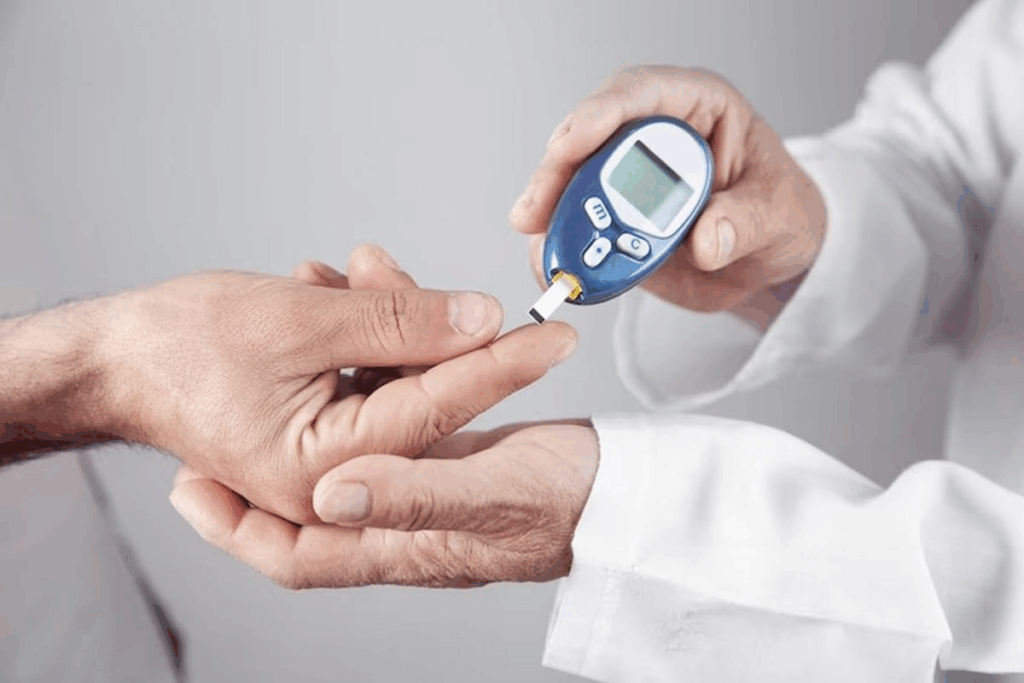
Diabetes is a condition that affects how the body controls blood sugar. It happens when the body cannot produce enough insulin or cannot use it properly. Insulin is important because it helps the body turn sugar from food into energy. Without proper insulin function, blood sugar levels can rise and cause serious health problems over time.
There are two main types of diabetes. Type 1 diabetes occurs when the immune system attacks the cells that make insulin, so the body cannot produce it. Type 2 diabetes usually develops when the body becomes resistant to insulin, often due to lifestyle factors or genetics.There are different causes, symptoms, and treatments for each type, but they both make it harder for the body to control blood sugar.
Some people might wonder if it’s possible to have both types at the same time. Some people with type 1 diabetes can develop characteristics of type 2 diabetes, like insulin resistance, but this is not common. This combination is sometimes called dual diabetes, and it can be harder to deal with because both types of problems need to be fixed.
In this article, we will explore whether it is possible to have type 1 and type 2 diabetes simultaneously. We will discuss how this condition develops, its risk factors and symptoms, how it is diagnosed, treatment strategies, and tips for managing it effectively.
Understanding Type 1 and Type 2 Diabetes
Diabetes is not a single condition, but a group of diseases that affect how the body regulates blood sugar. Type 1 and type 2 diabetes are the two most common types. It is important to know the differences between them because each type has a different cause, treatment, and management plan.

Type 1 diabetes is a disease that attacks the body’s own cells. This means that the immune system attacks the cells in the pancreas that make insulin, which leaves very little or no insulin. Insulin is needed for sugar from food to get into cells and be used for energy. Without it, the sugar stays in the blood. Type 1 diabetes usually starts in childhood or early adulthood, and people with this disease must take insulin every day to stay alive. Some common symptoms are extreme thirst, needing to urinate often, being tired, and losing weight quickly.
Recommended: How Gut Health Affects Estrogen Dominance and Bloating
Type 2 diabetes develops when the body becomes resistant to insulin or does not produce enough of it. Genetics can also play a role, but it is often linked to things like being overweight, having a bad diet, and not getting enough exercise. Adults usually get type 2 diabetes, but more and more young people are getting it. Some of the symptoms may be the same as those of type 1, but others, like wounds that do not heal quickly, infections that happen often, and blurry vision, may also be present. Lifestyle changes, oral medications, and sometimes insulin therapy can help control type 2 diabetes in many cases.
Type 1 and type 2 diabetes have different causes and treatments, but a person can show signs of both types. This can make it harder to figure out what’s wrong and how to treat it because doctors need to deal with both insulin deficiency and insulin resistance. The first step in managing dual diabetes well is to know what the differences are and how they can overlap.
Is It Possible to Have Both?
While type 1 and type 2 diabetes are usually seen as separate conditions, it is possible for a person to show characteristics of both. This is sometimes called dual diabetes or double diabetes. Most of the time, it happens when someone with type 1 diabetes becomes resistant to insulin, which is a sign of type 2 diabetes. This mix can make it harder to control blood sugar and may mean changes need to be made to treatment plans.
People with type 1 diabetes are living longer and are more aware of how their lifestyle affects their health. Dual diabetes is rare, but it is becoming more common. If someone already has type 1 diabetes, things like being overweight, not getting enough exercise, eating poorly, or having a family history of the disease can make it more likely that they will develop type 2 features. To avoid blood sugar spikes and other problems, this overlap needs to be watched closely.
It can be harder to tell which type you have because the symptoms can be the same for both. A person may have high blood sugar levels even if they are following a type 1 insulin regimen. They may also have type 2 symptoms like weight gain, tiredness, or trouble controlling their blood sugar. Early diagnosis and close cooperation with healthcare providers are necessary for effective management and lowering long-term risks.
Recommended: What to Look for in At-Home Gut Health Test Kits
Risk Factors and Causes of Dual Diabetes
The development of dual diabetes is driven by a combination of genetic, lifestyle, and treatment-related factors. Understanding these risk factors can help with early detection and effective management.
1. Weight Gain and Obesity

This is the biggest risk factor. Cytokines, which are inflammatory molecules, are released by extra body fat, especially around the belly. These molecules stop insulin from sending signals, which can make insulin resistance happen, which is a sign of type 2 diabetes. This can lead to dual diabetes in someone who has type 1 diabetes.
2. Intensive Insulin Therapy
Insulin is necessary for controlling type 1 diabetes, but taking high doses of it for a long time can cause weight gain because insulin builds muscle. Over time, this weight gain can make insulin resistance worse, which can make type 1 diabetes more like type 2 diabetes.
3. Family History of Type 2 Diabetes
Genetics are very important. If you have type 1 diabetes and your parents or siblings have type 2 diabetes, you are more likely to get both types of diabetes. Genetic predisposition, along with environmental influences, can heighten vulnerability to insulin resistance.
Recommended: Does Magnesium Glycinate Actually Help With Sleep Anxiety?
4. Sedentary Lifestyle
Lack of physical activity reduces muscle glucose uptake and decreases insulin sensitivity. This can worsen insulin resistance and increase the likelihood of developing type 2 features in a type 1 diabetes patient.
5. Metabolic Syndrome Components
Conditions like high blood pressure (hypertension) and high cholesterol (dyslipidemia) often accompany insulin resistance. These factors can act as precursors to dual diabetes or worsen its progression if not managed properly.
Symptoms and Warning Signs of Dual Diabetes
Recognizing the signs of dual diabetes is essential because the condition combines characteristics of both type 1 and type 2 diabetes. Symptoms may overlap, making early detection more challenging.
- High Blood Sugar Levels: Persistent hyperglycemia is a common sign. Even when a person with type 1 diabetes follows an insulin regimen, insulin resistance from type 2 characteristics can cause elevated blood sugar levels.
- Increased Thirst and Urination: Excess glucose in the bloodstream causes the body to pull water from tissues, leading to frequent urination and increased thirst. These are classic symptoms seen in both types of diabetes.
- Increased Hunger: Insulin resistance or deficiency can prevent glucose from entering cells, leaving the body feeling energy-deprived and causing increased appetite.
- Weight Changes: People with dual diabetes may experience fluctuations. Rapid weight loss is common in type 1 diabetes, while weight gain is associated with type 2 characteristics. Some individuals may struggle to maintain a healthy weight despite efforts.
- Fatigue and Weakness: High blood sugar reduces the body’s ability to use glucose for energy, leading to persistent tiredness and low energy. Fatigue may be more pronounced in dual diabetes due to the combination of insulin deficiency and resistance.
- Blurred Vision: Elevated blood sugar affects the lenses of the eyes, causing temporary or fluctuating blurred vision.
- Slow-Healing Wounds and Frequent Infections: Insulin resistance and high blood sugar can impair circulation and the immune system, causing cuts, sores, and infections to heal more slowly.
- Numbness or Tingling in Hands and Feet: Prolonged high blood sugar can damage nerves, leading to peripheral neuropathy, which presents as numbness, tingling, or a burning sensation in the extremities.
- Darkened Skin Patches (Acanthosis Nigricans): Areas of dark, thickened skin, commonly found in the armpits or neck, can indicate insulin resistance and may signal type 2 characteristics in someone with type 1 diabetes.
Recommended: Early Signs of Addison’s Disease vs. Chronic Fatigue
Treatment Strategies for Dual Diabetes
Managing dual diabetes requires a combination of approaches to address both type 1 and type 2 characteristics. Treatment focuses on controlling blood sugar, improving insulin sensitivity, and preventing complications.
Insulin Therapy Adjustments

People with type 1 diabetes need insulin, but those with dual diabetes may require changes to their insulin regimen. This can include adjusting doses, using different types of insulin, or combining insulin with other medications to better control blood sugar while minimizing weight gain and hypoglycemia.
Oral Medications for Type 2 Characteristics
Medications commonly used in type 2 diabetes, such as metformin, can be added to improve insulin sensitivity. These drugs help the body use insulin more efficiently and can reduce the amount of insulin needed, especially in patients who have gained weight or developed insulin resistance.
Lifestyle Modifications
Diet and exercise play a key role in managing dual diabetes. A balanced diet rich in whole grains, vegetables, lean proteins, and healthy fats can help regulate blood sugar and reduce weight. Regular physical activity improves insulin sensitivity, lowers blood sugar, and supports overall health.
Weight Management
Maintaining a healthy weight can significantly reduce insulin resistance. Combining calorie control, exercise, and behavior changes helps prevent the worsening of type 2 features in people with type 1 diabetes.
Recommended: Foods to Avoid with Mast Cell Activation Syndrome (MCAS)
Regular Monitoring
Frequent blood sugar checks and routine medical evaluations are essential. Monitoring helps track how the body responds to insulin, medications, and lifestyle changes, allowing healthcare providers to adjust treatment plans quickly.
Managing Complications
Having dual diabetes raises the risk of heart disease, kidney problems, nerve damage, and eye problems. For long-term health, it is very important to find and treat these problems early on, with medication and regular checkups.
Education and Support
Patients benefit from diabetes education programs that provide guidance on diet, exercise, medication use, and lifestyle habits. Emotional and psychological support is also important, as managing two overlapping types of diabetes can be stressful.
Conclusion
Dual diabetes, or having characteristics of both type 1 and type 2 diabetes, is a complex but manageable condition. It develops due to a combination of genetic, lifestyle, and treatment-related factors, and recognizing the risk factors early can help prevent complications.
Awareness of symptoms, such as high blood sugar, fatigue, weight changes, and skin or nerve issues, is crucial for early detection. Because the condition combines features of both types, diagnosis and treatment require careful monitoring and a personalized approach.
Effective management relies on a combination of insulin therapy, oral medications, lifestyle changes, weight management, and regular monitoring. Education and support from healthcare providers and diabetes programs can also help patients maintain a healthy lifestyle and minimize risks.