
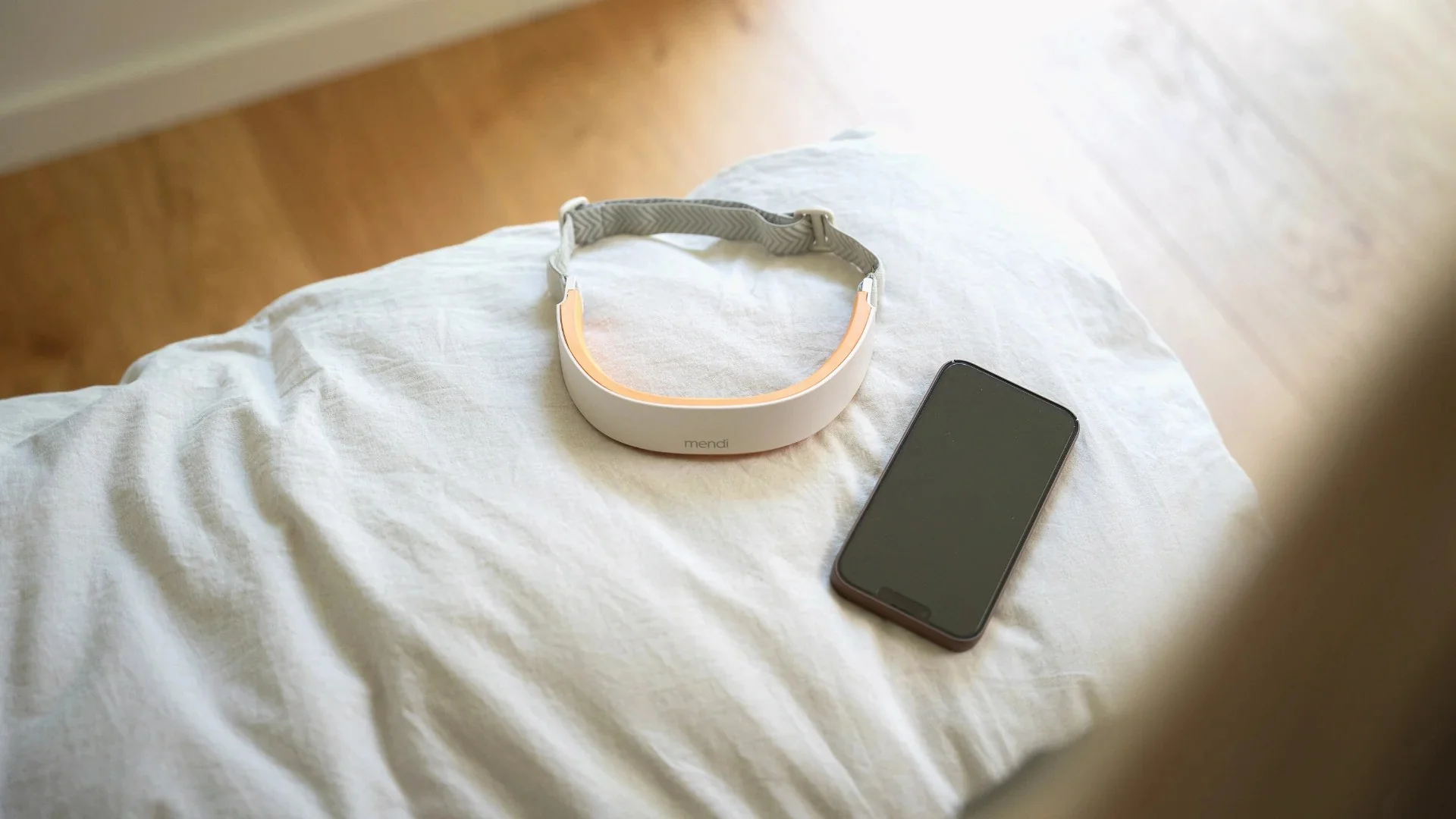
Neurofeedback apps are becoming increasingly popular as more people search for natural, non-drug approaches to managing stress and calming an overactive mind. These apps use real-time feedback from your brainwaves or heart rate patterns to help you teach your nervous system to stay calm when it gets triggered. Neurofeedback does not just hide symptoms; it teaches your brain how to control itself better over time.
Many people are using technology that lets them take charge of their mental health from home because their anxiety levels are rising because of work stress, money problems, health worries, and constant digital stimulation. Neurofeedback apps use neuroscience, biofeedback, and guided training sessions to help you get better at staying focused, keeping your emotions in check, and bouncing back from setbacks.
In this article, we will explore how neurofeedback apps work, how they help reduce anxiety symptoms, how to choose the right app for your needs, how to use them effectively, and important safety considerations before getting started.
What are Neurofeedback Apps
Neurofeedback apps are digital tools that use real-time feedback from your body or brain activity to help you train your brain to work better. They are based on a method called neurofeedback, which is a type of biofeedback that teaches people how to control their own nervous systems.

Most of the time, these apps work by connecting to a wearable device, like a heart rate monitor or an EEG headband. The device picks up signals like brainwaves or heart rate variability, and the app turns that data into sound or visual feedback. When your brain is calmer, for example, a game may run more smoothly, or when your stress levels go down, music may sound clearer. This feedback teaches your brain how to keep up healthier habits over time.
Recommended: Orthosomnia: How to Stop Obsessing Over Sleep Tracker Data
People often use neurofeedback apps to help them deal with anxiety, stress, focus, sleep, and controlling their emotions. Neurofeedback apps are different from meditation apps because they respond directly to your body’s signals, making the experience more interactive and tailored to you.
While they can be helpful tools, they are not medical treatments on their own. They work best when used consistently and combined with healthy lifestyle habits or professional support when needed.
Can Neurofeedback Apps Really Help With Anxiety Relief?
Yes, neurofeedback apps can help with anxiety, but you should know how they work and what you can realistically expect from them. Neurofeedback is a type of biofeedback that teaches your brain how to control its own activity. When you feel anxious, some brainwave patterns can get out of balance, which can cause you to feel stressed, worried, or tense all the time. Neurofeedback apps try to help your brain become calmer and more organised by giving you real-time feedback on things like your brainwave activity or your heart rate variability.
Neurofeedback does not just hide symptoms; it helps your nervous system learn and adapt to healthier patterns over time. Studies have shown that neurofeedback can help a lot of people feel less anxious, especially when they use it regularly and as part of a bigger plan for their health. Many users say that after regular sessions, they feel more calm, focused, and less emotionally reactive. However, results vary from person to person.
It is important to note that neurofeedback apps are not a magic cure for anxiety. They work best as a complementary tool alongside other practices like talk therapy, breathing exercises, mindfulness, exercise, and good sleep. When chosen and used correctly, neurofeedback apps can be a valuable component of your anxiety relief strategy.
Types of Neurofeedback Apps Available
Understanding the different types of neurofeedback apps can help you choose the one that best fits your anxiety relief goals, lifestyle, and budget. Below are the main categories available today:
1. EEG-Based Neurofeedback Apps
EEG-based apps use wearable headbands or headsets to measure electrical brainwave activity in real time. These devices detect patterns such as beta waves, which are often elevated during stress and anxiety, and alpha waves, which are linked to calmness and relaxed focus.
Recommended: Importance of Routine for Adults with ADHD
The app translates this brain activity into feedback through visuals, sounds, or interactive tasks. For example, a screen animation may stabilize when your brain shifts into a calmer state. Over time, this repeated feedback helps your brain learn how to self-regulate more effectively.
These apps are ideal for people who want direct brain training and are comfortable using wearable devices.
2. Heart Rate Variability (HRV) Biofeedback Apps
HRV apps focus on the balance of your autonomic nervous system by measuring the variation between heartbeats. Higher heart rate variability generally indicates better stress resilience and emotional flexibility.

These apps often pair with chest straps, finger sensors, or smartwatches. During sessions, you are guided through slow breathing exercises while the app displays your HRV in real time. As your breathing becomes more controlled, your nervous system shifts into a calmer state.
HRV-based apps are especially helpful for anxiety that presents with physical symptoms such as rapid heartbeat, chest tightness, or shallow breathing.
3. Gamified Neurofeedback Apps
Gamified apps make neurofeedback feel less clinical and more interactive. Instead of watching graphs, you may play a game where your focus or relaxation level controls what happens on the screen.
For example, a character may move forward when your brain is calm, or a scene may brighten as your stress decreases. This approach increases motivation and consistency, which are key for long-term results.
These apps are particularly beneficial for beginners, teens, or individuals who struggle to stay engaged with traditional relaxation exercises.
4. Audio Based Neurofeedback Apps
Audio-based neurofeedback uses sound cues as feedback. Music, nature sounds, or tones shift based on your brainwave or physiological state. When your stress levels drop, the sound becomes smoother or more harmonious.
Recommended: Does Blue Light Blocking Really Help Sleep Quality?
This type of training can feel subtle and immersive. It is useful for people who prefer a less visually stimulating experience and want something they can use before bed or during quiet relaxation time.
5. Guided Training and Meditation Hybrid Apps
Some apps combine neurofeedback with guided meditation, mindfulness training, or cognitive exercises. They use your physiological data to adjust the difficulty or pacing of the session.
For instance, if your stress level increases, the app may guide you into slower breathing or grounding exercises. This hybrid approach works well for people who already practice meditation but want measurable feedback to track improvement.
Choosing the Right Neurofeedback App for You
Selecting the best neurofeedback app can make a big difference in how effective your anxiety relief journey is. With so many options available, it helps to know what features matter most and how to match them to your needs. Here’s what to consider when choosing the right neurofeedback app for you:
1. Understand Your Anxiety Goals
Start by clarifying what you want to achieve. Different apps may focus on relaxation, brainwave training, or heart rate regulation, so choose one aligned with your specific goals.
2. Compatibility With Wearables and Devices

Some neurofeedback apps require a compatible wearable device like an EEG headband, heart rate monitor, or smartwatch. Make sure the app works with the hardware you have or are willing to purchase.
3. User Experience and Interface
An intuitive, easy-to-navigate app makes training more enjoyable and increases the likelihood that you’ll stick with it. Look for clear visuals, simple instructions, and engaging feedback systems.
4. Feedback Accuracy and Technology
The quality of the feedback determines how effective the training will be.
Apps that use clinically validated sensors or reliable algorithms tend to provide more meaningful insights and performance tracking.
Recommended: Why Do I Wake Up at 3 AM Every Night with Anxiety?
5. Training Programs and Support
Some apps offer structured programs with step-by-step guidance, progress tracking, and reminders.
Others may be more free-form. Choose what suits your learning style and consistency needs.
6. Budget and Pricing Model
Compare subscription fees, one-time purchases, and any hardware costs. Subscription apps may offer ongoing updates and cloud analytics, while one-time purchase apps can be more affordable long-term.
7. Data Privacy and Security
Since neurofeedback apps collect sensitive physiological data, make sure the app has strong privacy policies and secure data storage.
8. Reviews, Trials, and Recommendations
Read user reviews to learn about real experiences, and take advantage of free trials when available.
This can help you test the app’s features and see if it feels right before committing.
Step-by-Step Guide to Using Neurofeedback Apps for Anxiety
Using neurofeedback apps effectively requires consistency, proper setup, and an understanding of how the training works. Here is a step-by-step guide to help you get the most benefit for anxiety relief.
1. Choose the Right App and Device
Pick an app that fits your needs, whether you want to work on EEG brainwaves, HRV biofeedback, gamified training, or audio feedback. Check to see if the app works with any smartwatches, headbands or chest straps you already own. To find a trustworthy option, think about subscription options, progress tracking, and user reviews.
2. Set Up Your Environment
Find a quiet, comfortable space free from distractions. Sit in a relaxed position, whether in a chair or on the floor. Reduce background noise and dim the lights if possible. A calm environment helps your nervous system respond more effectively to neurofeedback training.
Recommended: Do Weighted Blankets Help Deal With Stress and Anxiety?
3. Calibrate Your Device
Follow the app’s instructions to properly calibrate your wearable device. For EEG headbands, ensure proper sensor placement on your forehead and scalp. For HRV monitors, check that the device fits snugly on your chest, finger, or wrist. Calibration ensures accurate readings and effective feedback.
4. Begin Your Session
Start with a short session of 10 to 20 minutes, especially if you are new to neurofeedback. Focus on the feedback provided by the app, whether it is visuals, audio, or game responses. Stay relaxed and try not to overthink the process. Let your brain naturally adjust to the training.
5. Practice Mindful Breathing
Even if the app does not guide you through breathing, practice slow, deep breaths during your session. This supports your nervous system and can enhance the calming effects of neurofeedback. For HRV apps, your breathing directly affects the feedback, so mindful breathing is essential.
6. Track Your Progress
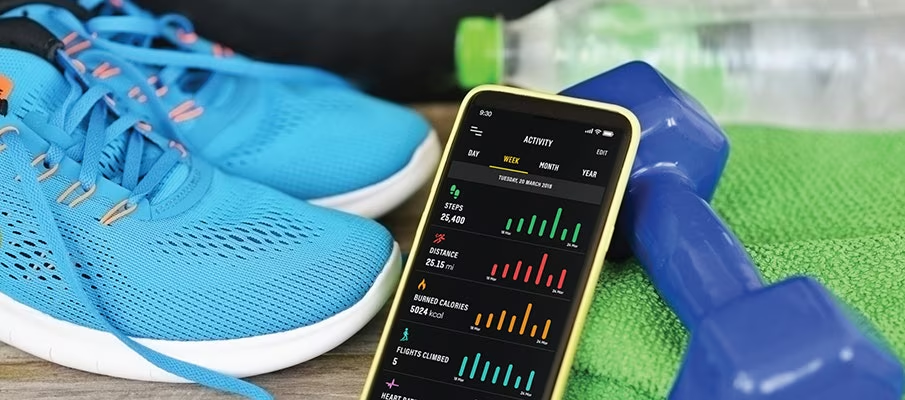
Most neurofeedback apps allow you to monitor your results over time. Keep an eye on metrics such as session scores, relaxation levels, or brainwave changes. Tracking your progress helps you identify patterns and measure improvement.
7. Gradually Increase Session Time
As you become more comfortable, extend sessions to 20–30 minutes, up to several times per week. Consistency is more important than session length. Regular practice over weeks or months produces the best results in anxiety reduction.
Recommended: Benefits of Magnesium for Anxiety
8. Combine with Lifestyle Practices
For optimal results, pair neurofeedback with other anxiety management strategies. Exercise, sleep hygiene, mindfulness, and healthy nutrition all support your nervous system. Neurofeedback works best as part of a holistic approach to mental well-being.
9. Adjust Settings as Needed
If you notice fatigue, discomfort, or minimal progress, adjust app settings such as difficulty levels, session length, or feedback type. Some apps also allow personalized training programs to match your specific anxiety patterns.
10. Know When to Seek Professional Help
Neurofeedback apps are safe for general anxiety, but they are not a substitute for therapy or medical care for severe anxiety or related conditions. Consult a licensed professional if your symptoms persist or worsen.
Possible Side Effects of Neurofeedback Apps
Neurofeedback apps are generally considered safe for most users, but it is important to be aware of potential side effects, especially if you are new to brain or biofeedback training. Most side effects are mild and temporary, but understanding them can help you use the apps safely and effectively.
Here are some potential side effects you may experience when using neurofeedback apps:
- You may experience mild headaches or eye strain, especially during longer or visually intense sessions.
- Some users feel fatigue or mental tiredness after training sessions.
- Emotional sensitivity such as irritability or restlessness may occur as your nervous system adjusts.
- A few people report dizziness or lightheadedness, particularly with breathing-based HRV exercises.
- Sleep disturbances can happen if sessions are done too close to bedtime.
- Overtraining effects, like frustration or diminished results, may occur with excessive use.
- Rarely, there may be temporary increased anxiety or restlessness before improvement is noticed.
- Neurofeedback apps are not a replacement for medical care and should not replace professional treatment for severe anxiety or mental health conditions.
Conclusion
Neurofeedback apps can help you deal with anxiety in a practical and easy way by teaching your brain and nervous system healthier habits. They give you feedback in real time through brainwave activity, heart rate variability, or interactive exercises, which makes managing stress more fun and tailored to you. Results can be different for each person, but using the product regularly, breathing mindfully, living a healthy lifestyle, and getting professional help when needed can all help with focus, calmness, and emotional balance.
You can make neurofeedback a safe and useful tool for managing your anxiety if you know what kinds of apps there are, how to use them correctly, and what side effects they might have. This article talked about how neurofeedback apps work, the different types that are available, how to use them step by step, and important things to think about to help you start on your way to a calmer, stronger mind.