
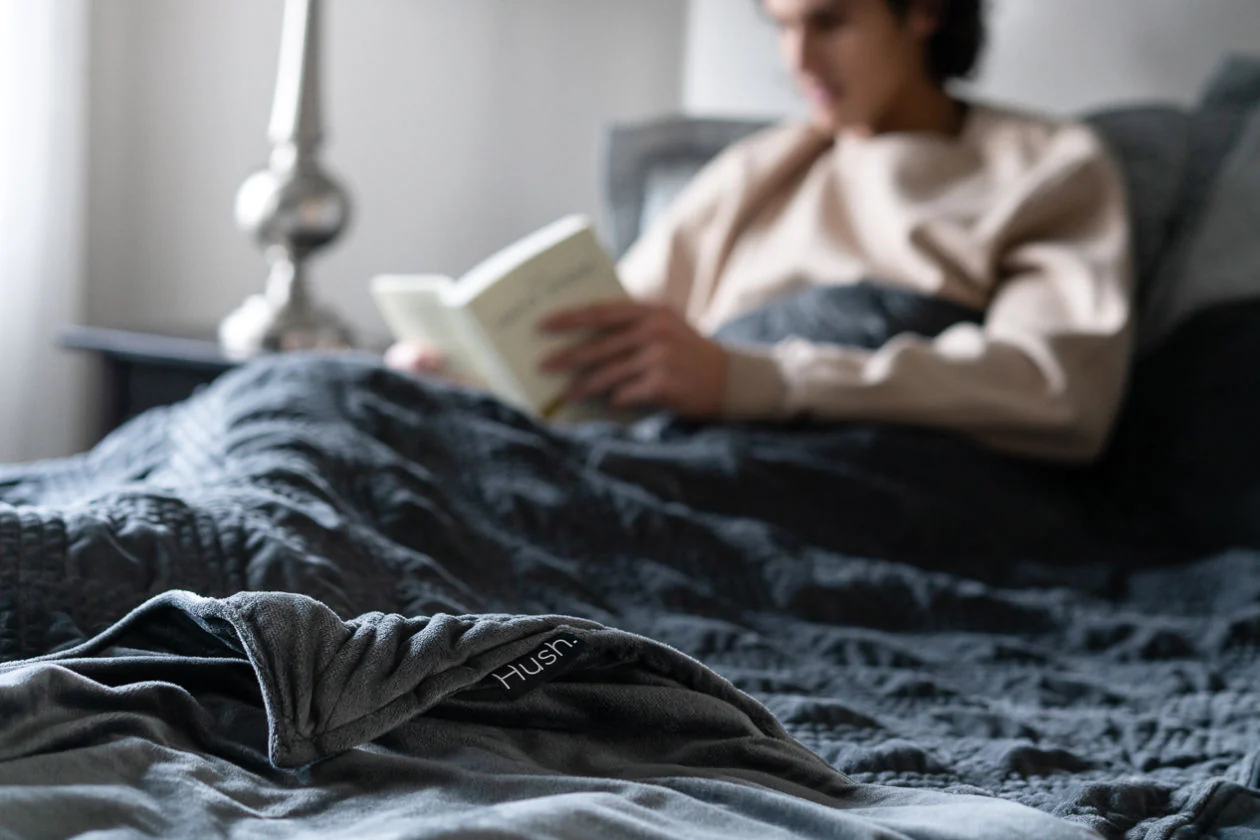
Weighted blankets have become more popular as a natural way to reduce stress and anxiety in everyday life. These blankets are designed to put gentle, even pressure on the body. People think that this makes them feel calm and relaxed by making them feel like they are being held or hugged. Many people are looking for non-drug ways to improve their mental health because stress and anxiety continue to hurt their sleep, emotional stability, and overall health.
Weighted blankets are often associated with improved sleep quality, reduced restlessness, and heightened emotional comfort, making them a preferred choice for individuals seeking relief from anxiety symptoms. Despite their growing popularity, doubts remain about how well they work, how safe they are, and whether they are right for everyone.
Here, we will look at how weighted blankets work, how they might help with stress and anxiety, the scientific reasons why they work, and important things to think about before using them.
What Is a Weighted Blanket?
A weighted blanket is a specifically engineered blanket that incorporates additional weight from materials like glass beads, plastic pellets, or micro-weights sewn into small, uniformly distributed pockets. This design enables the blanket to exert consistent pressure throughout the body, rendering it significantly heavier than a conventional blanket while maintaining flexibility and comfort.

The main job of a weighted blanket is to give you deep pressure stimulation, which is a gentle, steady pressure. This kind of pressure is connected to calming the nervous system by making the body relax and reducing physical agitation. Because of this, weighted blankets are often used to help people who are stressed, anxious, can’t sleep, or have trouble processing sensory information.
Recommended: How to Wash a Weighted Blanket Based on Material and Filling
Weighted blankets are available in a range of weights, sizes, and fabrics to suit different body types, preferences, and climates. They can be used during sleep or while resting, reading, or relaxing, making them a versatile tool for enhancing comfort and emotional well-being in daily life.
Can Weighted Blankets Reduce Anxiety?
Yes, weighted blankets can reduce anxiety for many people by providing a calming physical sensation that helps the nervous system relax. The gentle pressure from the blanket mimics deep pressure touch stimulation, which can signal the brain to release calming neurotransmitters and lower stress responses. This effect may help reduce feelings of restlessness and nervous tension that often accompany anxiety.
Studies and user testimonials suggest that weighted blankets may enhance emotional regulation by facilitating relaxation and alleviating physiological symptoms of anxiety, including elevated heart rate and rapid respiration. Employing a weighted blanket during stressful periods or before sleep may help some individuals attain a sense of security and comfort, thus promoting relaxation.
While weighted blankets can be a helpful tool for anxiety management, their effectiveness varies from person to person. They work best when integrated with other healthy stress-reducing habits such as mindfulness, regular sleep routines, and professional support when needed.
Do Weighted Blankets Improve Sleep Quality?
Many people find that weighted blankets help them sleep better by making them feel calm and comfortable, which helps them fall asleep and stay asleep. The gentle, even pressure on the body helps relax muscles and may help with physical restlessness, which makes it easier to fall asleep. This calming feeling can be very helpful for people who have trouble falling asleep because they are anxious or have racing thoughts.
Some studies and user experiences suggest that weighted blankets may help increase feelings of security and reduce nighttime tossing and turning. When the nervous system perceives this deep pressure stimulation, it may encourage the release of relaxation-promoting neurotransmitters, which can contribute to more consistent, uninterrupted sleep.
Recommended: Are There Weighted Blankets For Hot Weather?
Even though these blankets might help some people sleep better, they don’t work the same for everyone. The effectiveness of a weighted blanket in enhancing overall sleep quality can be affected by factors such as its weight, personal comfort preferences, bedroom temperature, and individual sleep patterns. Combining a weighted blanket with good sleep hygiene habits usually works best.
Choosing the Right Weighted Blanket for Anxiety Relief
Selecting the right weighted blanket can make a significant difference in how much comfort and anxiety relief it provides.
1. Choose the Right Weight

The most important thing about a weighted blanket for easing anxiety is its weight. A common rule of thumb is to choose a blanket that weighs about 10% of your body weight. Usually, this much pressure is enough to make you feel better without being too much. A blanket that is too heavy may make you uncomfortable or limit your movement, while one that is too light may not help with anxiety in a noticeable way.
2. Select the Appropriate Size
The blanket should fit the body rather than the bed. A properly sized weighted blanket covers the body comfortably from shoulders to feet without excessive overhang. When the blanket is too large, the weight may not be evenly distributed across the body, reducing its effectiveness. Smaller sizes are also available for use while sitting, reading, or relaxing.
3. Consider Fabric and Breathability
The material you choose can affect how comfortable and useful something is, especially for people who get anxious and restless or too hot. Fabrics that let air through, like cotton, bamboo, or moisture-wicking blends, help keep your body temperature stable. Lighter and cooler fabrics are better for warmer climates, while plush or fleece fabrics are better for cooler ones.
4. Check Weight Distribution and Stitching
For consistent pressure all over the body, the weight must be evenly distributed. High-quality weighted blankets have small, tightly stitched compartments that keep the filler from moving around. If the distribution is bad, pressure can build up in some places, which can make you less comfortable and more irritated instead of more relaxed.
5. Evaluate Ease of Cleaning and Maintenance
Weighted blankets can be heavy and hard to clean, so it’s important to think about how easy they are to take care of. Many of the options come with covers that can be taken off and washed, which makes them easier to use every day. A clean, fresh blanket makes you more comfortable and helps you sleep or relax in a calm environment.
Recommended: How to Support Immune Health During Cold Season
6. Match the Blanket to Personal Sensory Preferences
Individual comfort preferences vary, especially among people using weighted blankets for anxiety relief. Texture, thickness, and overall feel can influence how soothing the blanket feels. Choosing a blanket that aligns with personal sensory needs increases the likelihood of consistent and effective use.
Possible Side Effects or Discomfort
Most people can use weighted blankets without any problems, but some people might have small issues. Some common concerns are feeling too restricted, getting too hot, having pain in your muscles or joints, having trouble moving, and not being good for some health conditions. Most side effects go away on their own, and you can lessen them by choosing the right weight and material and getting used to using it slowly.
- Feeling Too Restrained or Claustrophobic: Some individuals may experience discomfort due to the added pressure, especially when first using a weighted blanket. This sensation can feel restrictive or overwhelming, particularly for people who are sensitive to pressure or confined spaces.
- Overheating: Weighted blankets may trap heat, leading to excessive warmth during use. This can disrupt sleep or cause restlessness, especially in warm climates or for individuals who naturally sleep hot. Choosing breathable materials can help reduce this issue.
- Muscle or Joint Discomfort: A blanket that is too heavy may place strain on muscles or joints, causing soreness or discomfort. This is more likely if the recommended weight guidelines are not followed or if the blanket is used for extended periods without adjustment.
- Difficulty Moving or Adjusting Position: The added weight can make it harder to shift positions during sleep or rest. This may cause discomfort for individuals who move frequently at night or prefer lightweight bedding.
- Not Suitable for Certain Health Conditions: Weighted blankets may not be appropriate for individuals with respiratory issues, circulation problems, or mobility limitations. In such cases, the added pressure could worsen symptoms rather than provide relief.
- Initial Adjustment Period: The body may need time to adapt to the sensation of a weighted blanket. Mild discomfort during the first few uses is common and often improves with gradual and consistent use.
Tips for Using a Weighted Blanket Effectively
1. Start with Short Periods of Use
Using a weighted blanket for short periods at first helps the body adjust to the added pressure. Beginning with 15 to 30 minutes during relaxation or rest allows comfort levels to be assessed before extended use during sleep.
Recommended: How to Cope with Misophonia at Work or School
2. Use the Blanket During Calm Activities

Weighted blankets are effective during low-activity moments such as reading, watching television, meditating, or resting. Using the blanket during these times enhances relaxation and helps associate the pressure with a calming experience.
3. Maintain Proper Positioning
The blanket should be evenly spread across the body to provide consistent pressure. It is best used from the shoulders down rather than covering the face or head. Proper positioning ensures comfort and prevents feelings of restriction.
4. Combine with Good Sleep Habits
Weighted blankets work best when paired with healthy sleep practices. Maintaining a consistent sleep schedule, reducing screen time before bed, and creating a quiet, comfortable sleeping environment enhance the blanket’s calming effects.
5. Pay Attention to Body Temperature
Monitoring body temperature is important, as some weighted blankets retain heat. Choosing breathable fabrics and adjusting room temperature helps prevent overheating, which can interfere with relaxation and sleep quality.
6. Discontinue Use if Discomfort Occurs
If discomfort, difficulty breathing, or feelings of unease develop, the blanket should be removed immediately. Comfort and safety should always be prioritized to ensure a positive and effective experience.
Conclusion
Weighted blankets are a natural and non-invasive way to help with stress, anxiety, and trouble sleeping. Through the use of gentle, steady pressure, they can help people relax, sleep better, and feel safe and comfortable. It might not work for everyone, but you can get the best results by choosing the right weight, size, and material and using it correctly. Weighted blankets can help with a full approach to mental health and lowering stress.